
Discover how innovative insulated container houses are revolutionizing winter living in cold climates. This comprehensive guide explores Canada’s leading 20-foot customized double-wing expansion room, featuring superior insulation, rapid deployment, and exceptional energy efficiency for year-round comfort even in extreme weather conditions.
When winter’s icy grip tightens across northern regions, finding adequate housing that can withstand plummeting temperatures while maintaining comfort and energy efficiency becomes a significant challenge. Traditional housing options often struggle to provide the necessary insulation and thermal performance required for extreme cold climates, leading to exorbitant heating costs and compromised living conditions. However, a revolutionary solution has emerged in the form of insulated container houses specifically designed for cold climate living.
At the forefront of this innovation is the 20-foot customized double-wing expansion room – a modular, portable, and exceptionally well-insulated housing solution that’s transforming how people live, work, and thrive in winter environments. Whether you’re considering a permanent residence in Canada’s northern territories, a seasonal getaway in the mountains, or emergency housing in areas prone to severe winters, this innovative container house offers unparalleled performance and versatility.
The Challenge of Cold Climate Living
Living in regions with harsh winters presents numerous challenges that standard housing often fails to adequately address. In places like Canada, where temperatures can plummet to -30°C (-22°F) or lower during winter months, traditional construction methods frequently fall short in providing sufficient thermal protection. This results in several significant issues:
- Excessive energy consumption for heating
- Poor indoor air quality due to inadequate ventilation systems
- Structural damage from freeze-thaw cycles
- Condensation problems leading to mold and mildew growth
- Discomfort and potential health risks for occupants
These challenges have driven innovation in the housing industry, particularly in the development of container houses specifically engineered for cold climates. The 20-foot customized double-wing expansion room represents the pinnacle of this innovation, offering a comprehensive solution to the unique demands of winter living.
Introducing the 20-Foot Customized Double-Wing Expansion Room
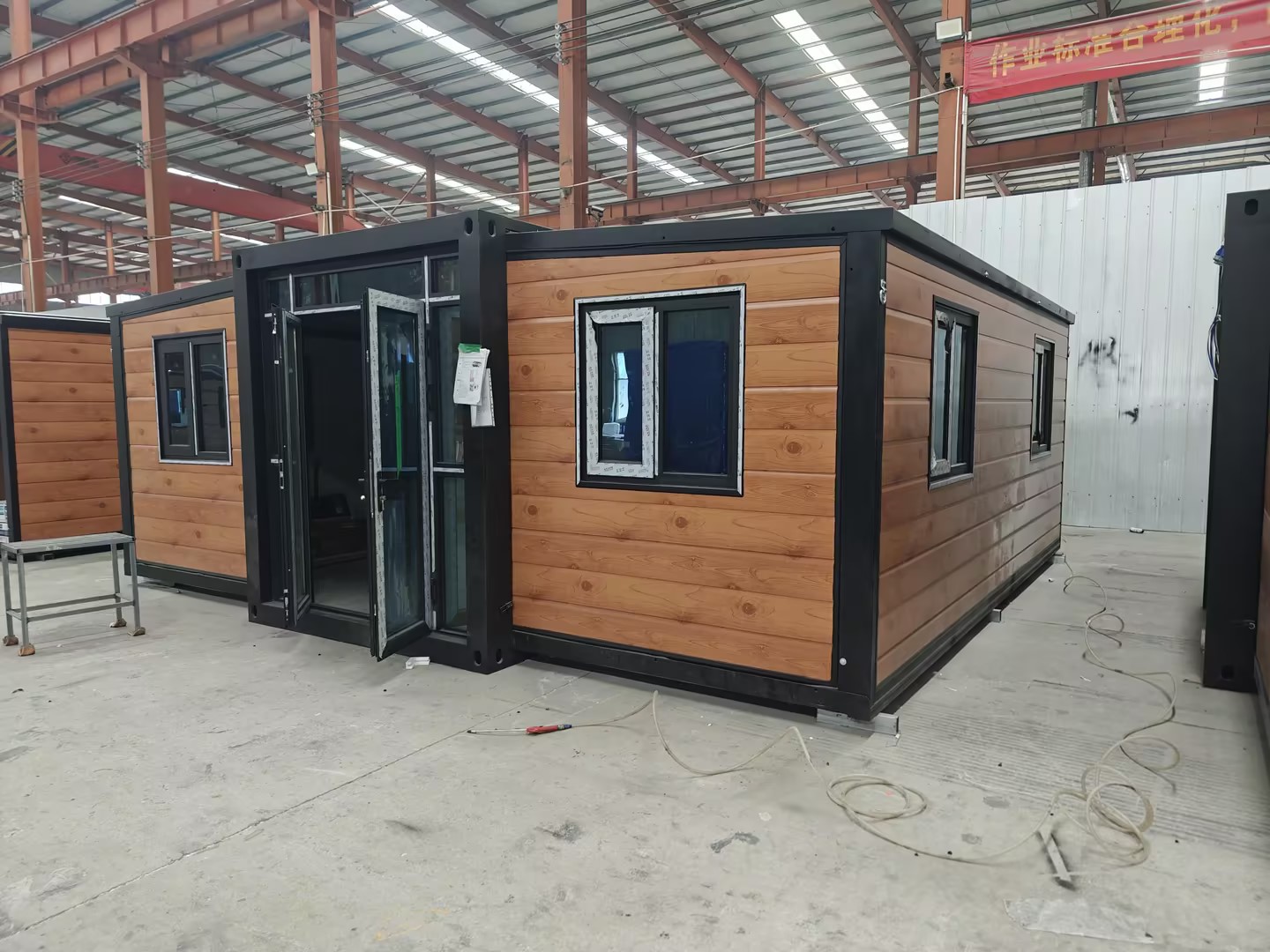
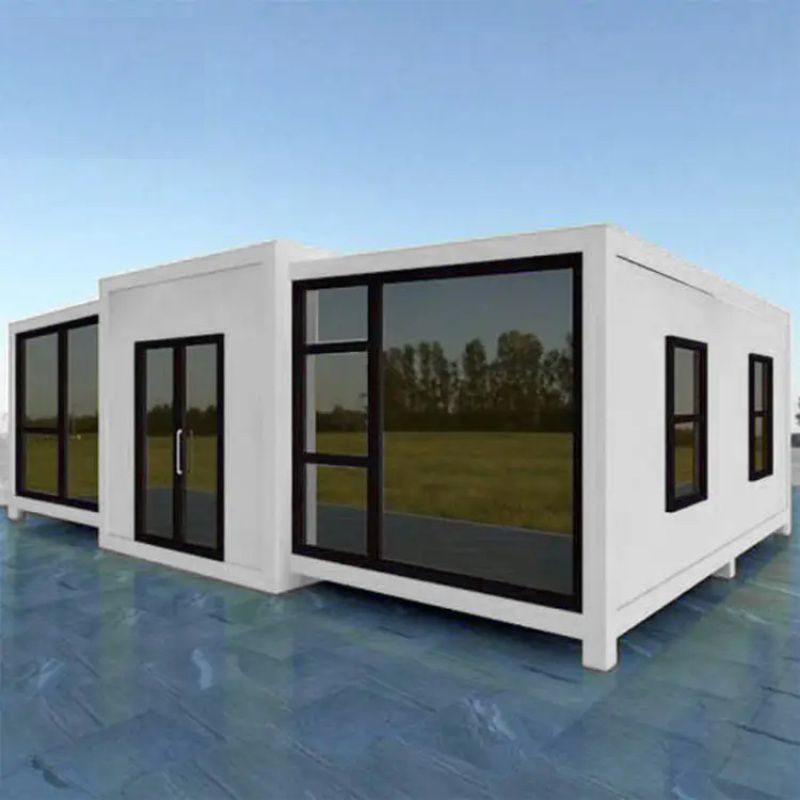
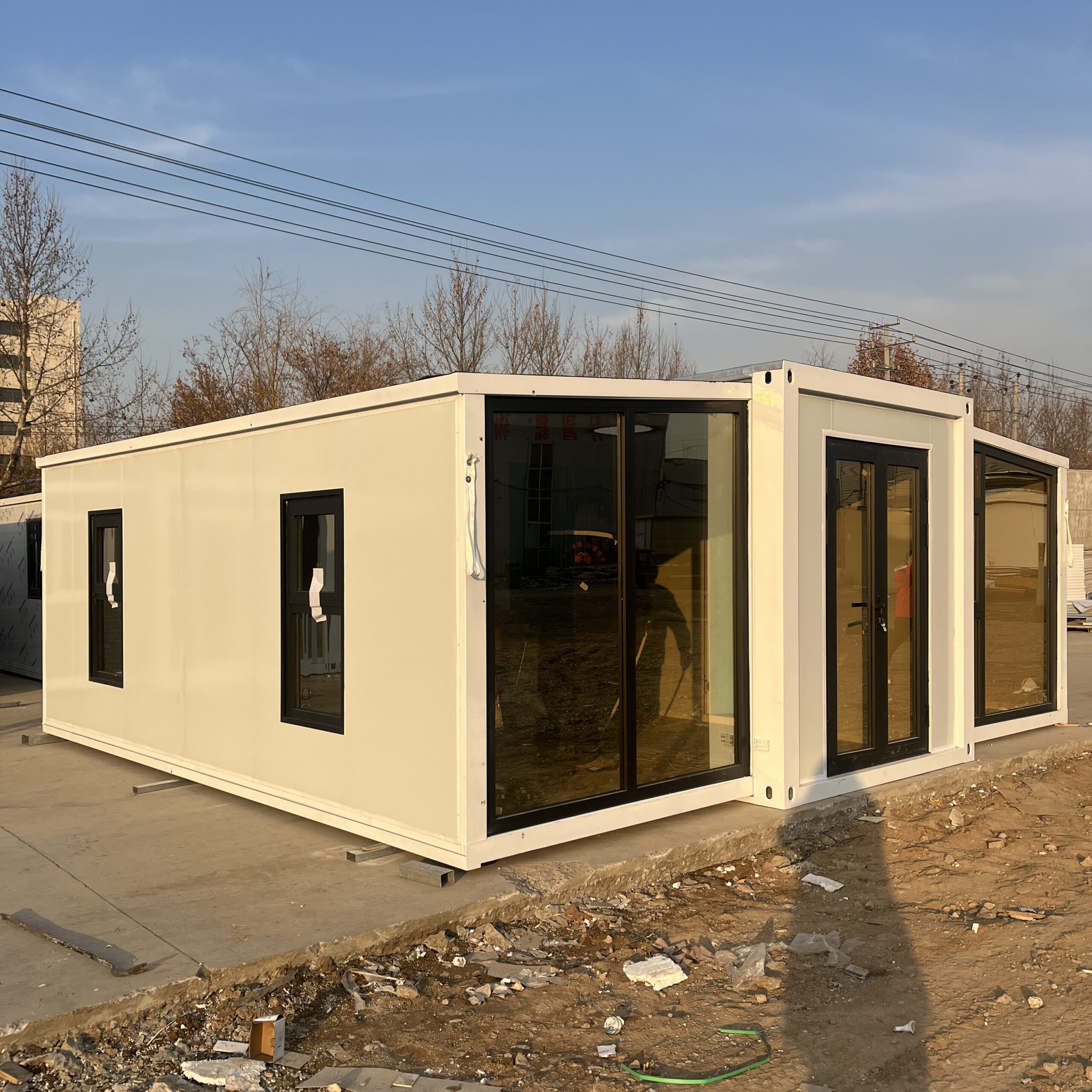
The double-wing expandable container house is a modular, portable building product featuring two “wing-like” structures on either side that can expand outward, much like a bird spreading its wings. This ingenious design allows for compact transportation while providing spacious living areas when deployed – an ideal combination for those needing efficient housing in cold climates.
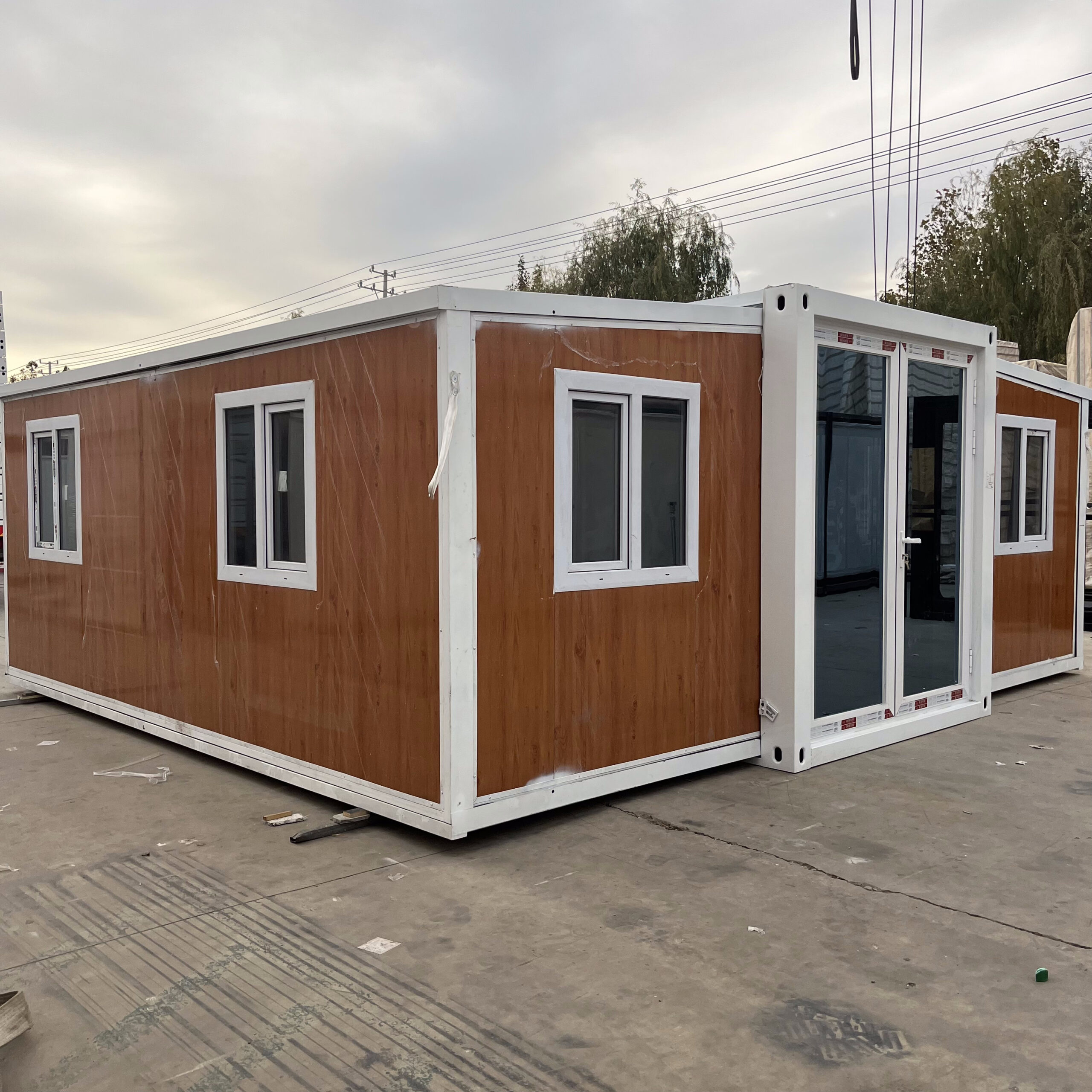
The core appeal of this housing solution lies in its ability to transform from a standard-sized container during transport to a significantly larger living space upon deployment. The expansion increases the usable area by 70-80%, effectively doubling the available space and creating a comfortable one-bedroom or even two-bedroom layout from what initially appears to be a compact unit.
What truly sets this container house apart for cold climate living is its exceptional insulation system. Engineered with advanced thermal materials and construction techniques, it maintains a stable internal temperature regardless of external conditions – a critical feature for anyone living through harsh Canadian winters or similar cold environments.
Structural Design and Materials
The foundation of any effective cold climate housing is its structural integrity and material quality. The 20-foot customized double-wing expansion room excels in both aspects, incorporating cutting-edge construction technologies specifically designed for thermal efficiency and durability in extreme conditions.
The framework utilizes high-strength structural steel, typically hot-dip galvanized or carbon fiber composite materials, providing exceptional stability and longevity. This steel framework not only supports the entire structure but also creates a thermal break that minimizes heat transfer between interior and exterior environments.
For insulation, the container house employs premium materials such as polyurethane or rock wool – both renowned for their superior thermal resistance properties. These materials create a continuous thermal envelope around the entire structure, eliminating cold bridges that typically plague traditional construction in cold climates.
The waterproofing system is equally impressive, featuring seamless connection technology throughout. Windows and doors utilize hollow broken bridge aluminum frames with Low-E glass, providing excellent insulation while maximizing natural light – an essential consideration during shorter winter days when sunlight is limited.
The standard dimensions of the unit are carefully calculated to balance spaciousness with transport efficiency:
- Expanded dimensions: W6340 × L5900 × H2480mm
- Folded dimensions: W2200 × L5900 × H2480mm
- Standard black frame compliant with road transportation regulations
These specifications ensure that the container house can be easily transported to even remote locations while still providing ample living space when deployed – a crucial advantage for those seeking housing in Canada’s vast northern regions or other cold climate areas.
Space Optimization and Layout
One of the most impressive aspects of the 20-foot customized double-wing expansion room is its ingenious use of space. When folded for transport, the unit maintains standard container dimensions, facilitating easy movement via truck, ship, or even helicopter to remote locations. Once on-site, the expansion process reveals a thoughtfully designed living space that maximizes every square inch.
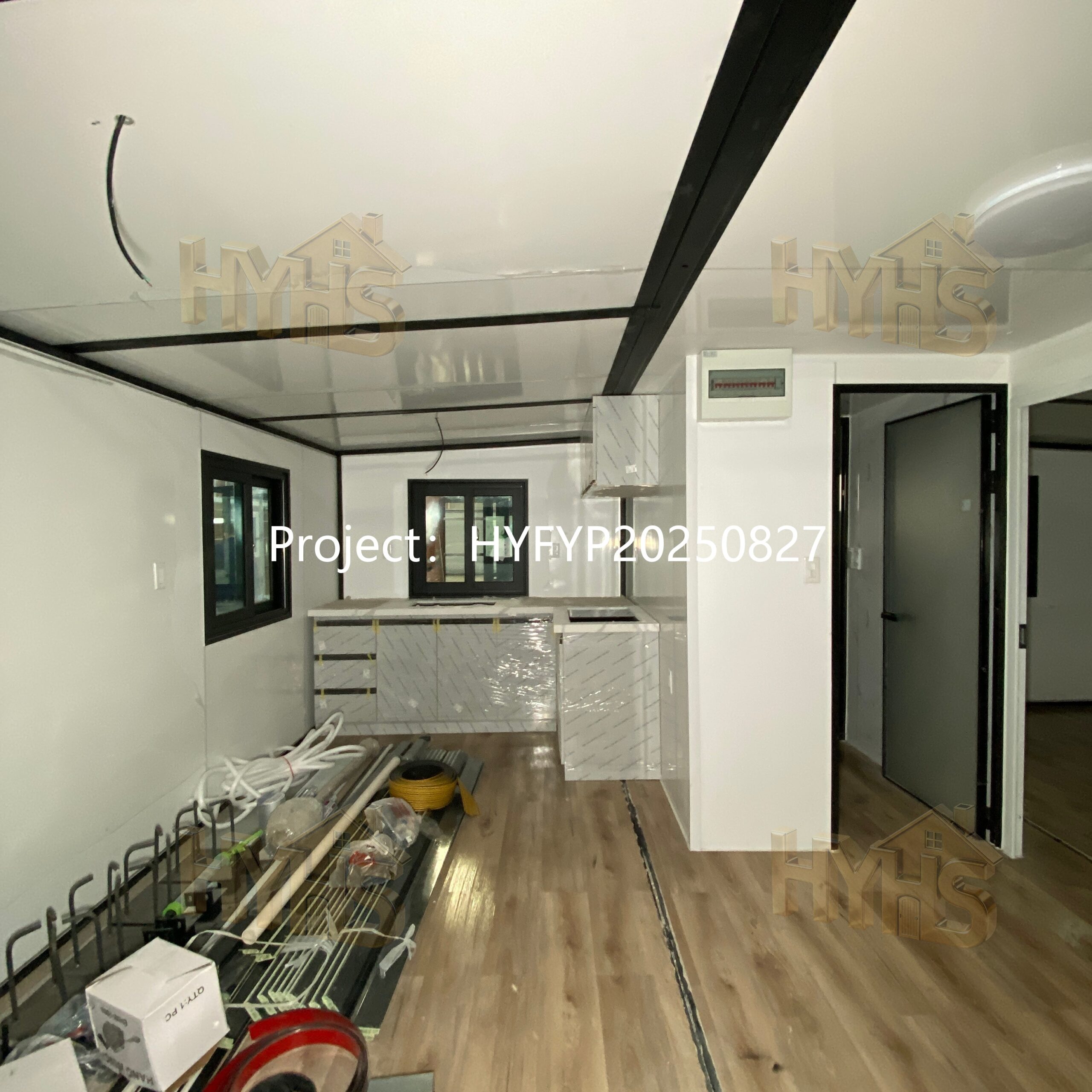
The interior features a column-free design, achieving over 90% space utilization – a remarkable figure compared to traditional construction. This open-plan approach allows for flexible layouts that can be customized according to specific needs, whether for residential use, office space, or emergency shelter.
Typical configurations include:
- One-bedroom layout with combined living/dining area
- Two-bedroom option for families or shared living arrangements
- LOFT designs that maximize vertical space
- Open-plan studio layouts ideal for home offices or creative spaces
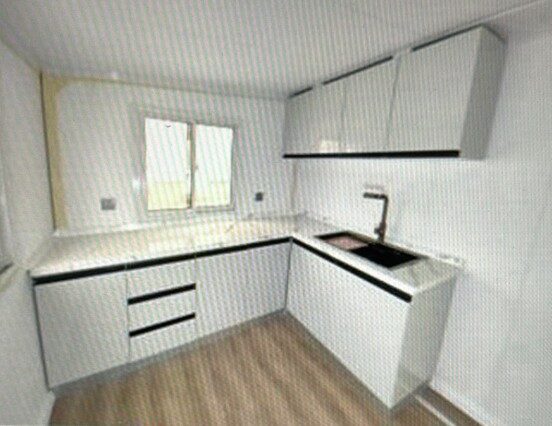
The kitchen area is particularly well-designed, incorporating all necessary amenities within a compact footprint. High-quality fixtures and finishes create a functional cooking space that doesn’t compromise on style or utility – essential for those spending extended periods indoors during harsh winter months.
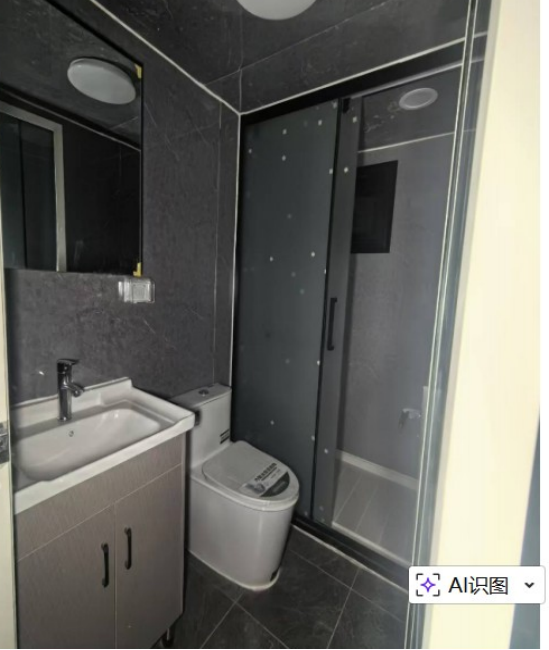
Similarly, the bathroom facilities are thoughtfully integrated, featuring modern fixtures and efficient use of space. The waterproofing and insulation in these areas are especially critical, as moisture control is paramount in cold climate living to prevent condensation issues and maintain indoor air quality.
The attention to detail in the interior design extends to storage solutions, with clever built-in cabinets and multi-functional furniture pieces that maximize utility without sacrificing aesthetics or living space. This comprehensive approach to space optimization makes the container house feel remarkably spacious despite its compact footprint when folded.
Energy Efficiency and Sustainability
In an era of increasing environmental awareness and rising energy costs, the energy efficiency of housing solutions has become a paramount consideration. The 20-foot customized double-wing expansion room excels in this regard, incorporating numerous features designed to minimize energy consumption while maximizing comfort – particularly crucial in cold climate regions where heating demands can be substantial.
The insulation system forms the cornerstone of this energy efficiency. The polyurethane or rock wool insulation materials used in the construction provide exceptional thermal resistance, significantly reducing heat transfer between the interior and exterior environments. This high-performance insulation effectively creates a thermal barrier that maintains stable internal temperatures with minimal energy input.

The energy-saving benefits extend beyond insulation to include:
- High-efficiency heating systems designed for low-temperature operation
- Double or triple-glazed windows with Low-E coatings to minimize heat loss
- Thermal breaks in the structural framework to prevent cold bridging
- Air-tight construction techniques that eliminate drafts and heat leakage
- Smart home integration for optimized energy management
These features collectively reduce heating energy requirements by up to 60% compared to conventional construction of similar size – a substantial saving that translates to both economic benefits and reduced environmental impact.
The sustainability aspects of the container house are equally impressive. The modular construction process minimizes waste, with over 85% of the building completed in factory-controlled conditions. This approach not only ensures quality consistency but also significantly reduces the environmental footprint associated with traditional on-site construction.
Additionally, the materials used in construction are selected for their environmental credentials:
- Steel framework with 90%+ recyclability at end-of-life
- Environmentally friendly insulation materials with low global warming potential
- Formaldehyde-free interior finishes for improved indoor air quality
- Sustainably sourced wood elements where applicable
These sustainability features make the container house an attractive option for environmentally conscious consumers, particularly in regions like British Columbia or Quebec where green building standards are increasingly stringent.
Installation and Mobility
One of the most compelling advantages of the 20-foot customized double-wing expansion room is its rapid deployment capability. Traditional construction in cold climates can be challenging, time-consuming, and often impractical during winter months. In contrast, this container house can be installed and made habitable in a matter of hours rather than weeks or months.
The installation process is remarkably straightforward:
- Site preparation (minimal grading or leveling required)
- Delivery of the folded container unit
- Placement on foundation or support pads
- Expansion of the wing sections
- Connection of utilities (power, water, sewage)
- Final interior setup and inspection
Your browser does not support the video tag.
As demonstrated in the video above, the actual expansion process can be completed in minutes, with the entire installation typically taking less than a day for a single unit. This rapid deployment capability is invaluable in scenarios where time is critical, such as emergency housing situations or temporary accommodation for seasonal workers.
The mobility aspect of the container house cannot be overstated. Unlike traditional structures, these units can be easily relocated as needed, providing flexibility that is simply not possible with conventional construction. This feature is particularly advantageous in Canada’s resource industries, where worker accommodation often needs to move between sites as projects progress.
Transportation is simplified by the unit’s compact folded dimensions, which comply with standard shipping container regulations. This means the container house can be moved using standard container handling equipment and transportation methods, significantly reducing logistical complexity and cost.
The foundation requirements are minimal compared to traditional construction, with many installations utilizing simple concrete pads, screw piles, or even adjustable footing systems. This adaptability allows for installation on challenging terrains where conventional construction would be impractical or prohibitively expensive.
Customization Options
While the standard configuration of the 20-foot customized double-wing expansion room is impressive in its own right, the true versatility of this housing solution becomes apparent when considering the extensive customization options available. The modular nature of the container house allows for significant personalization to meet specific requirements, aesthetic preferences, and functional needs.
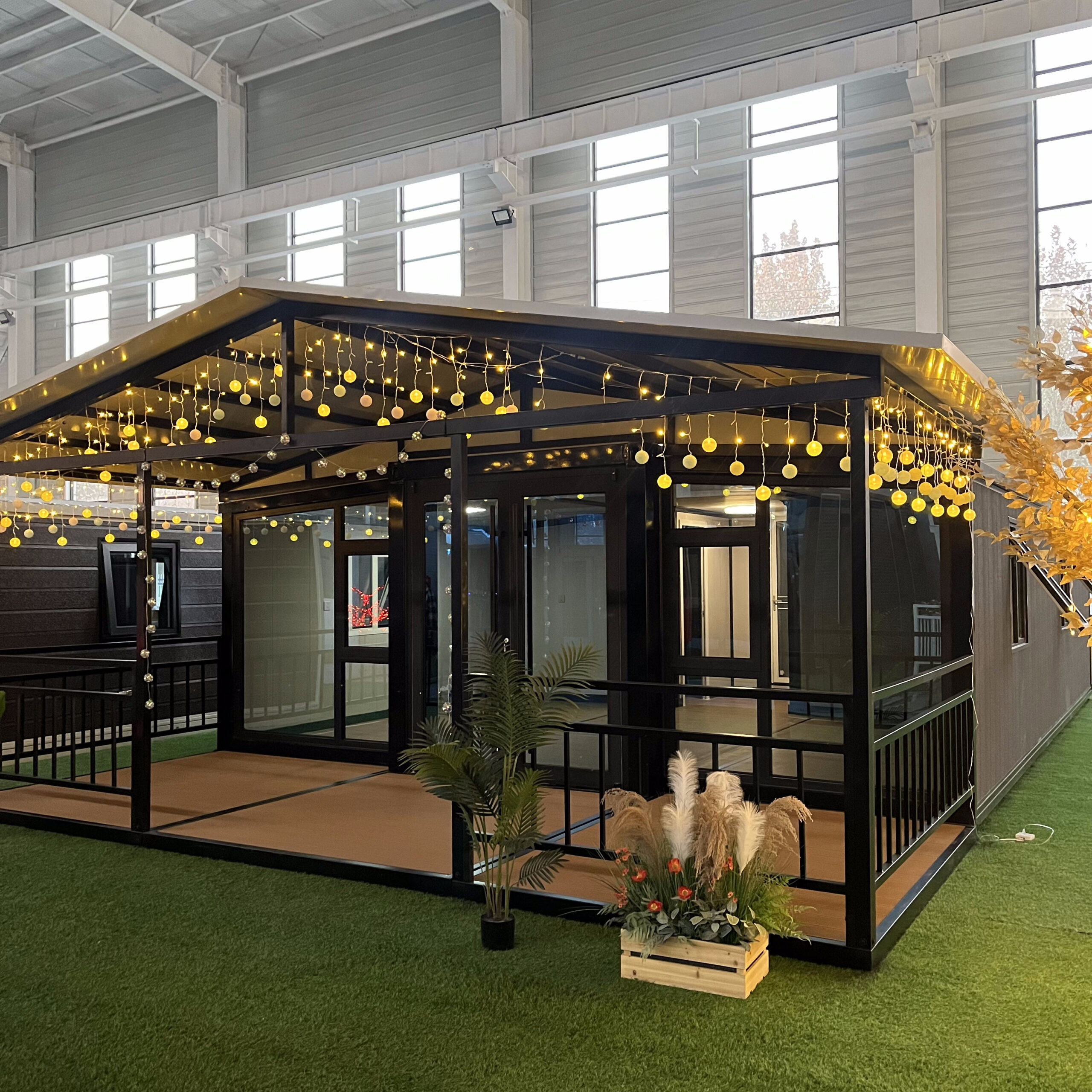
Exterior customization options include:
- Various color schemes and finishes to match surrounding environments
- Wood grain, stone, or other textured finishes for enhanced aesthetic appeal
- Custom window configurations for optimal natural light and views
- Additional insulation layers for extreme cold climate applications
- Integrated solar panel systems for off-grid capability
- Extended roof overhangs for snow management and weather protection
Interior customization possibilities are equally extensive:
- Flexible floor plans that can be modified to accommodate specific needs
- Premium fixture and finish options for enhanced comfort and style
- Specialized storage solutions tailored to individual requirements
- Advanced heating and ventilation systems for optimal indoor air quality
- Home automation and smart technology integration
- Accessibility modifications for occupants with mobility challenges
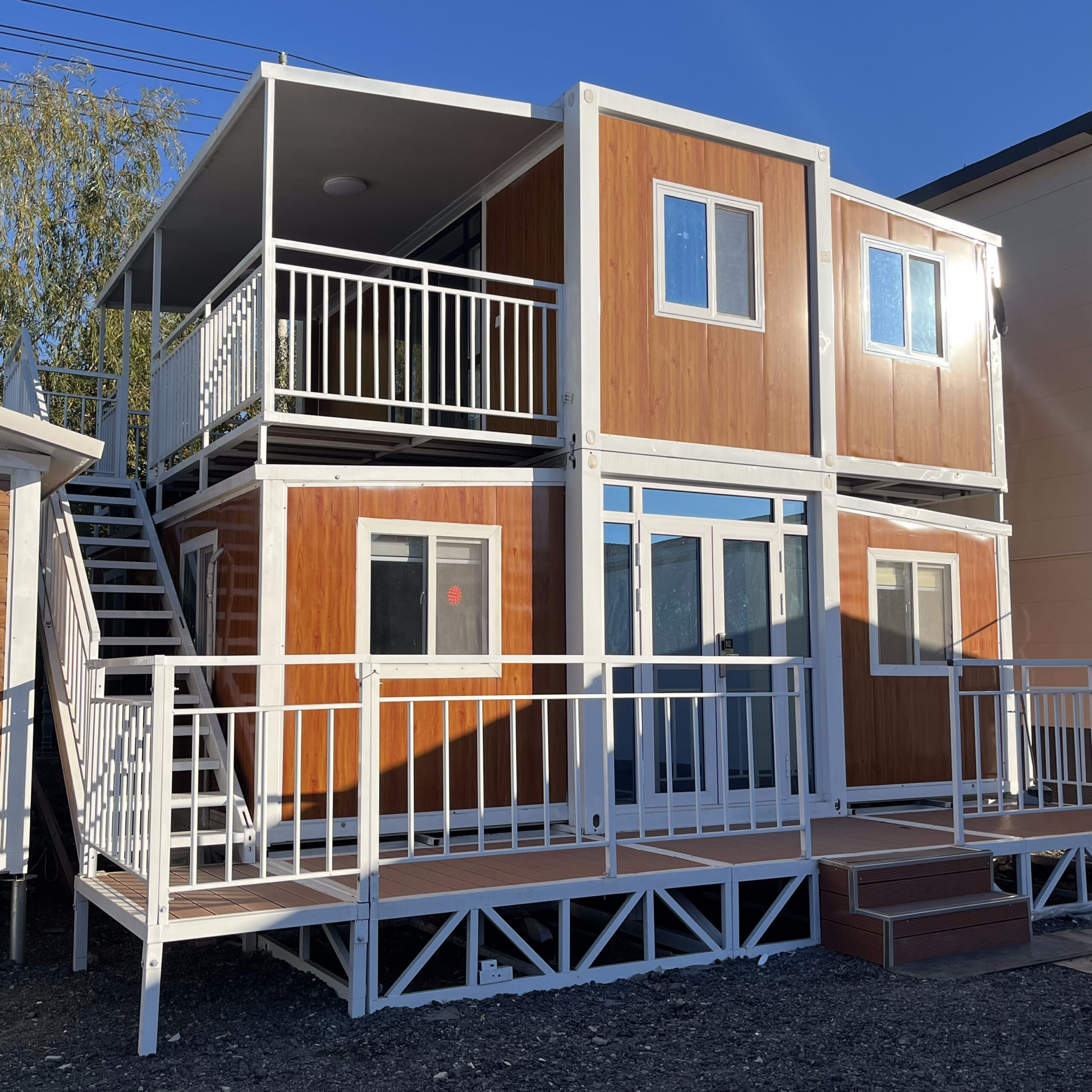
The customization process is facilitated by the modular construction approach, which allows for various components to be selected and combined according to specific requirements. This flexibility means that each container house can be tailored to the unique needs of its occupants while still benefiting from the efficiencies of standardized production.
For those seeking a truly unique living space, the container house can be designed with distinctive architectural elements that make it stand out while still maintaining its exceptional thermal performance. This combination of aesthetic customization and functional excellence makes the container house an attractive option for those looking to create a personalized living environment in cold climate regions.
Real-World Applications
The versatility of the 20-foot customized double-wing expansion room extends to numerous real-world applications beyond residential use. Its adaptability, rapid deployment capability, and exceptional thermal performance make it suitable for a wide range of scenarios in cold climate regions.
Residential Applications
As a primary residence, the container house offers an affordable, efficient housing solution for individuals and families in Canada’s northern communities where traditional construction is often prohibitively expensive. Its excellent insulation properties ensure comfortable living year-round, even in regions with extreme winter conditions like Yukon or Northwest Territories.
For seasonal properties, the container house provides an ideal getaway cabin that can be easily secured during off-season months while offering comfortable accommodation during winter recreational activities. The ability to close and secure the wings when not in use provides excellent protection against weather and potential intruders.
Commercial Applications
In the commercial sector, these container houses serve various functions:
- Remote office facilities for resource exploration and extraction industries
- Research stations in scientific field locations
- Temporary retail spaces or pop-up shops in tourist areas
- Construction site offices and accommodation
- Mobile clinics or medical facilities in underserved regions
The rapid deployment capability is particularly valuable in commercial applications where time is often a critical factor. The ability to establish fully functional facilities in a matter of days rather than months can provide significant competitive advantages.
Emergency and Humanitarian Applications
In emergency situations, such as natural disasters or humanitarian crises, the container house offers several advantages:
- Rapid deployment of shelter solutions for displaced populations
- Medical facilities that can be quickly established in affected areas
- Command centers for emergency response coordination
- Temporary housing for emergency response personnel
The excellent thermal performance is particularly crucial in emergency scenarios, where maintaining appropriate temperatures can be a matter of health and safety, especially in cold climate regions. The ability to quickly establish warm, secure shelter can make a significant difference in emergency response effectiveness.
Case Study: Northern Alberta Workforce Housing
A notable example of the container house’s effectiveness comes from a recent project in Northern Alberta, where a resource company required housing for remote workers in an area with winter temperatures regularly reaching -40°C. Traditional construction methods would have been prohibitively expensive and time-consuming, with the building season limited to just a few summer months.
By utilizing twenty 20-foot customized double-wing expansion rooms, the company was able to establish comfortable, energy-efficient housing within two weeks of order placement, despite the challenging location and extreme weather conditions. The container houses were configured with enhanced insulation, efficient heating systems, and robust weatherproofing specifically designed for the extreme cold.
The result was a housing solution that maintained comfortable internal temperatures with 50% less energy consumption than comparable traditional structures, while providing significantly faster occupancy and lower overall project costs. The modular nature of the container houses also allowed for easy reconfiguration as workforce needs changed, demonstrating the flexibility of this innovative housing solution.
Cost Considerations
When evaluating housing options for cold climates, cost is inevitably a significant factor. The 20-foot customized double-wing expansion room offers compelling economic advantages compared to traditional construction methods, particularly when considering the full lifecycle costs rather than just initial investment.
The initial cost of a standard 20-foot customized double-wing expansion room typically ranges from $25,000 to $45,000, depending on the level of customization, finishes, and specific features selected. While this may seem comparable to or slightly higher than basic traditional construction per square foot, the total cost picture tells a different story.
Several factors contribute to the overall economic advantage of container houses:
- Reduced construction time (days versus weeks or months)
- Minimal site preparation requirements
- Lower foundation costs
- Reduced labor expenses due to factory pre-fabrication
- Significantly lower energy costs due to superior insulation
- Reduced maintenance requirements over the lifecycle of the building
- Potential for relocation and reuse, avoiding write-off costs
When these factors are combined, the total cost of ownership for a container house over a 20-year period is typically 30-40% lower than comparable traditional construction. This economic advantage is particularly pronounced in cold climate regions, where energy costs and construction challenges can significantly impact the financial viability of traditional building methods.
Additionally, the modular nature of container houses allows for scalable investment – starting with a basic unit and adding modules or features as budget permits. This flexibility can make homeownership more accessible, particularly for first-time buyers or those with limited initial capital.
Financing options for container houses are becoming increasingly available as financial institutions recognize their durability, value retention, and growing market acceptance. In many cases, container houses can be financed through conventional mortgage products, particularly when they are intended as primary residences.
Maintenance and Durability
For any housing investment, particularly in harsh climate conditions, longevity and maintenance requirements are critical considerations. The 20-foot customized double-wing expansion room is engineered for exceptional durability, with a design life of 20-30 years when properly maintained – comparable to or exceeding traditional construction in similar environments.
The structural framework utilizes hot-dip galvanized steel, providing superior corrosion resistance that is essential in cold climates where de-icing salts and moisture can accelerate deterioration. This corrosion protection, combined with the robust structural design, ensures the container house can withstand significant snow loads and wind forces – critical considerations in regions prone to heavy winter storms.
The exterior cladding and roofing systems are selected for their weather resistance and durability, typically featuring materials like:
– Powder-coated steel panels
– Composite materials with UV resistance
– High-performance sealants and flashings
– Reinforced corner details for impact resistance
These materials and construction details minimize maintenance requirements while maximizing weather protection – essential attributes for structures in cold climate regions where maintenance access can be challenging during winter months.
Maintenance requirements for the container house are generally straightforward and less demanding than traditional construction:
- Annual inspection of seals and weatherproofing elements
- Regular cleaning of exterior surfaces to remove dirt and debris
- Periodic inspection of mechanical systems (heating, ventilation)
- Lubrication of moving components in the expansion mechanism
- Monitoring for any signs of condensation or moisture intrusion
The modular construction approach also facilitates maintenance and repairs, as individual components can be accessed or replaced without affecting the entire structure. This design consideration significantly reduces both the cost and complexity of maintenance over the building’s lifecycle.
For extreme climate applications, additional protective measures can be incorporated during the design phase to further enhance durability:
– Enhanced corrosion protection for structural elements
– Additional insulation layers to prevent freeze-thaw damage
– Reinforced foundation systems to accommodate frost heave
– Specialized roofing details to manage heavy snow loads
– upgraded window and door systems for improved weather resistance
These durability features, combined with the inherent strength of the container design, make the 20-foot customized double-wing expansion room an excellent long-term housing solution for cold climate regions, providing peace of mind and protection against the elements for decades.
Conclusion
The 20-foot customized double-wing expansion room represents a significant advancement in housing solutions for cold climate regions. Its innovative design, exceptional thermal performance, rapid deployment capability, and versatility make it an ideal choice for anyone seeking comfortable, efficient housing in areas with harsh winter conditions.
From the remote wilderness of Northern Canada to urban settings experiencing extreme winter weather, this container house provides a practical, cost-effective solution that doesn’t compromise on comfort or quality. The ability to customize each unit to specific needs ensures that whether it’s used as a primary residence, seasonal getaway, commercial facility, or emergency shelter, it can be tailored to meet exact requirements while maintaining its exceptional thermal performance.
As climate patterns continue to evolve and energy costs rise, the demand for efficient, resilient housing solutions will only increase. The 20-foot customized double-wing expansion room is well-positioned to meet this demand, offering a sustainable, adaptable, and economically viable alternative to traditional construction methods in cold climate regions.
For those considering housing options in areas with challenging winter conditions, this innovative container house deserves serious consideration. Its combination of superior insulation, rapid deployment, durability, and customization options makes it a standout solution that addresses the unique challenges of cold climate living while providing comfortable, efficient shelter for