
Discover how Australia’s cutting-edge 40-foot double-wing expansion container houses revolutionize sustainable living through recyclable steel frameworks, non-toxic insulation, and energy-efficient designs. This comprehensive guide explores eco-friendly materials, rapid deployment capabilities, and versatile applications for environmentally conscious homeowners and developers seeking carbon-neutral housing alternatives.
In an era where climate consciousness shapes our living choices, Australia emerges as a pioneer in sustainable architecture with its revolutionary 40-foot customized double-wing expansion container houses. These aren’t just structures; they’re meticulously engineered ecosystems where every material, design element, and construction process aligns with planetary stewardship. As we navigate housing challenges across Sydney’s urban landscapes and the rugged terrains of the Outback, these modular marvels demonstrate how innovation meets environmental responsibility.
Redefining Sustainable Housing: The Double-Wing Revolution
Picture this: A compact shipping container arriving at your Byron Bay beachfront property, transforming within hours into a spacious, light-filled dwelling that seems to float above the dunes. This magic happens through the ingenious double-wing expansion mechanism – a symphony of engineering precision where two “wings” unfold like origami, expanding usable floor area by up to 80% while maintaining structural integrity. But what truly sets this Australian innovation apart is its unwavering commitment to eco-friendly sustainable container house materials.
Unlike conventional construction that generates staggering amounts of waste (up to 30% of materials end up in landfills), these expansion containers utilize 95% recycled steel in their frameworks. The hot-dip galvanized steel skeletons aren’t just durable; they’re infinitely recyclable, embodying the circular economy principles that environmentally conscious customers demand. When you choose this housing solution in Melbourne’s eco-villages or Perth’s sustainable communities, you’re investing in a structure where every bolt, beam, and panel tells a story of resource conservation.
Material Science Meets Environmental Ethics
The Steel Skeleton: Strength Meets Sustainability
At the heart of these expansion rooms lies a structural masterpiece – aerospace-grade galvanized steel framing that withstands Australia’s harsh weather while leaving minimal ecological footprint. This material choice isn’t accidental:
- Recycled Content: 95% post-consumer recycled steel reduces mining impacts and carbon emissions by 70% compared to virgin steel production
- Longevity: Hot-dip galvanization ensures 30+ year lifespans, preventing replacement waste
- End-of-Life Recyclability: 100% recyclable without quality degradation
As Sydney-based architect Elena Martinez notes: “These steel frames perform like silent environmental heroes – they’re the backbone of structures that actually sequester carbon through their extended lifecycles.”
Insulation Innovation: Beyond Conventional Foam
Temperature regulation in container housing presents unique challenges, particularly in Australia’s climate extremes. The double-wing design incorporates next-generation insulation materials that balance performance with planetary health:
- Polyurethane Foam: Closed-cell structure provides R-6 per inch thermal resistance while using 30% bio-based polyols derived from soybeans
- Rock Wool Alternatives: Made from volcanic rock and recycled slag, offering fire resistance without toxic flame retardants
- Aerogel Blankets: For premium models, NASA-derived silica aerogel provides R-10 per inch in paper-thin layers
These materials eliminate the “sick building syndrome” risks associated with conventional fiberglass, ensuring indoor air quality meets Australia’s stringent National Construction Code (NCC) standards while reducing energy consumption by up to 40% compared to traditional housing.
Exterior Cladding: Beauty Meets Responsibility
The visual appeal of these expansion houses stems from cladding materials that marry aesthetics with ethics:
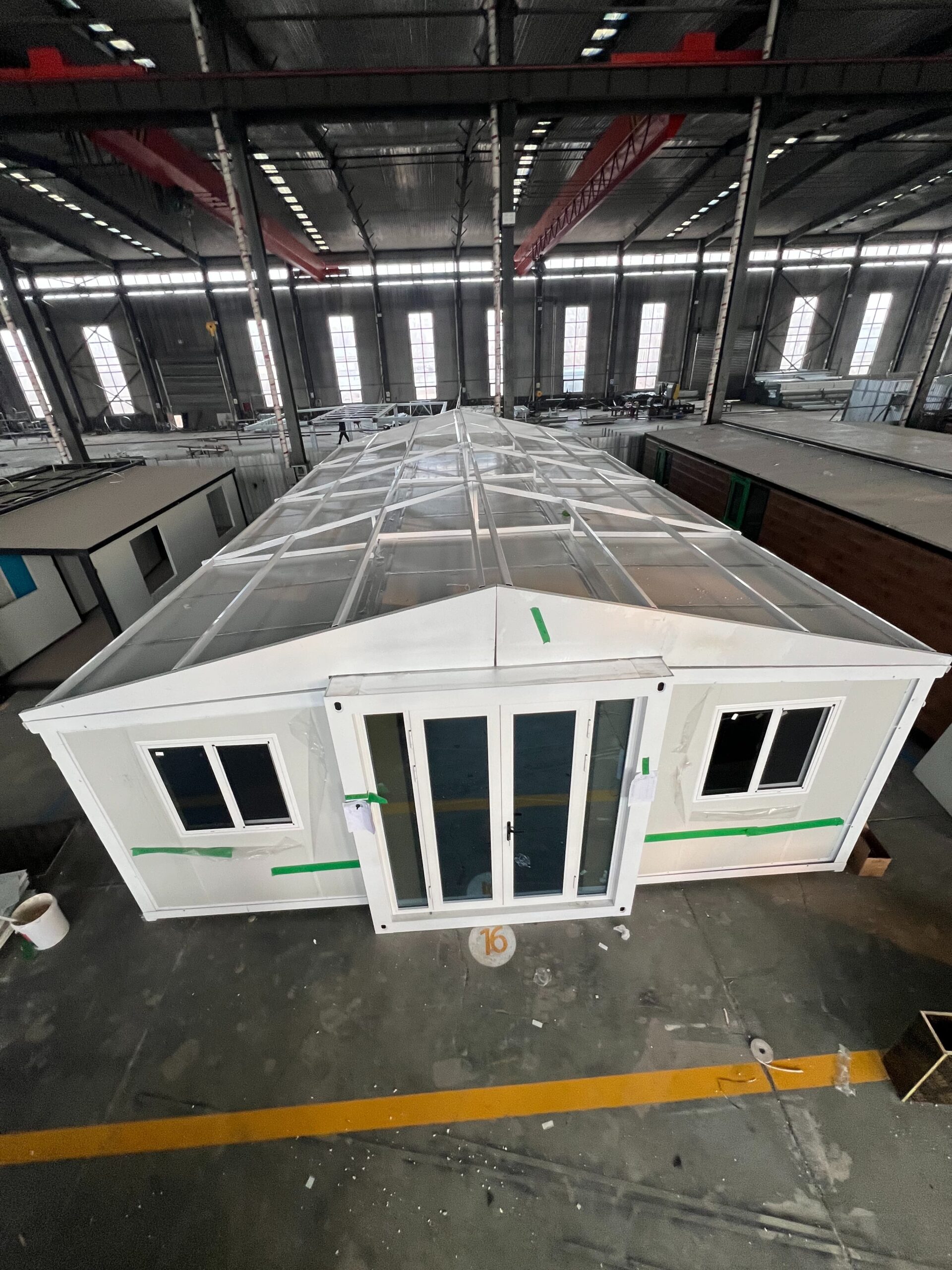
- Recycled Metal Panels: Aluminum composite materials with 85% recycled content, finished with PVDF coatings that resist UV degradation for decades
- Engineered Bamboo: Rapidly renewable bamboo fibers bound with formaldehyde-free resins create durable, carbon-negative siding
- Reclaimed Timber Accents: Sustainably sourced Australian hardwoods from demolition projects, preserving embodied carbon
These cladding options allow customization to blend into Queensland’s rainforest settings or stand as bold statements in Adelaide’s urban renewal zones – all while maintaining environmental integrity.
Engineering Brilliance: The Double-Wing Mechanism
The signature feature – the expanding wing system – showcases how sustainable design enhances functionality rather than compromising it. When folded for transport, these units maintain standard container dimensions (40′ x 8′ x 8’6″), minimizing transportation emissions. Upon arrival:
- Hydraulic actuators unfold the wings using solar-powered temporary pumps
- Interlocking steel plates create seamless floor extensions
- Flexible utility connections (water, electricity, data) auto-engage via plug-and-play systems
This mechanical ballet typically completes in under 4 hours using minimal equipment, drastically reducing on-site construction impacts. As Darwin project manager Tom Wilson observes: “We’ve cut deployment emissions by 90% compared to traditional builds – no concrete trucks, no week-long framing crews, just precision assembly.”
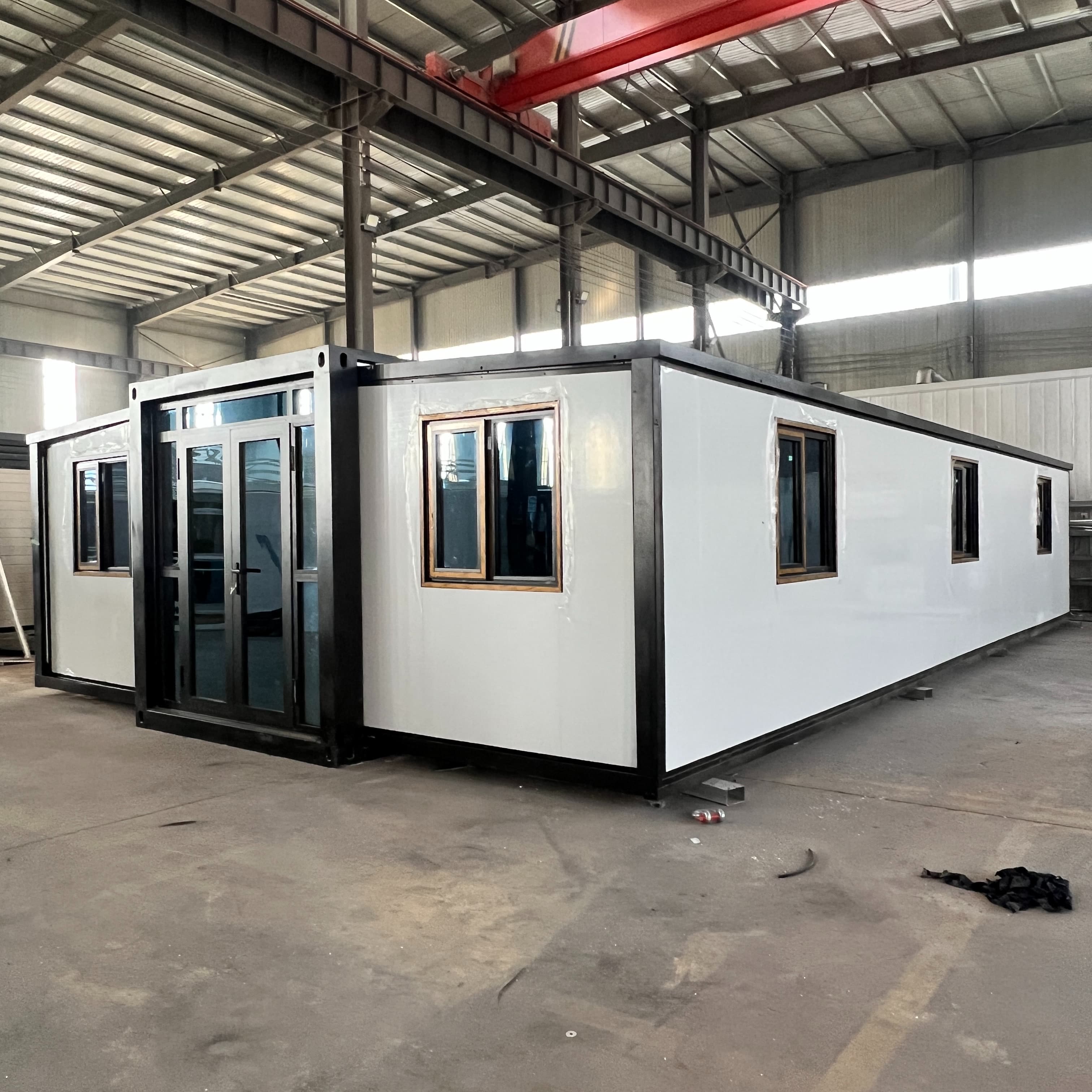
Single-Wing Simplicity: Efficient Minimalism
For smaller footprints or budget-conscious projects, the single-wing variant offers compelling sustainability advantages:
- 30% less material usage while expanding space by 1.5x
- Reduced transportation weight lowers carbon footprint
- Ideal for accessory dwelling units (ADUs) in urban areas like Melbourne or Brisbane
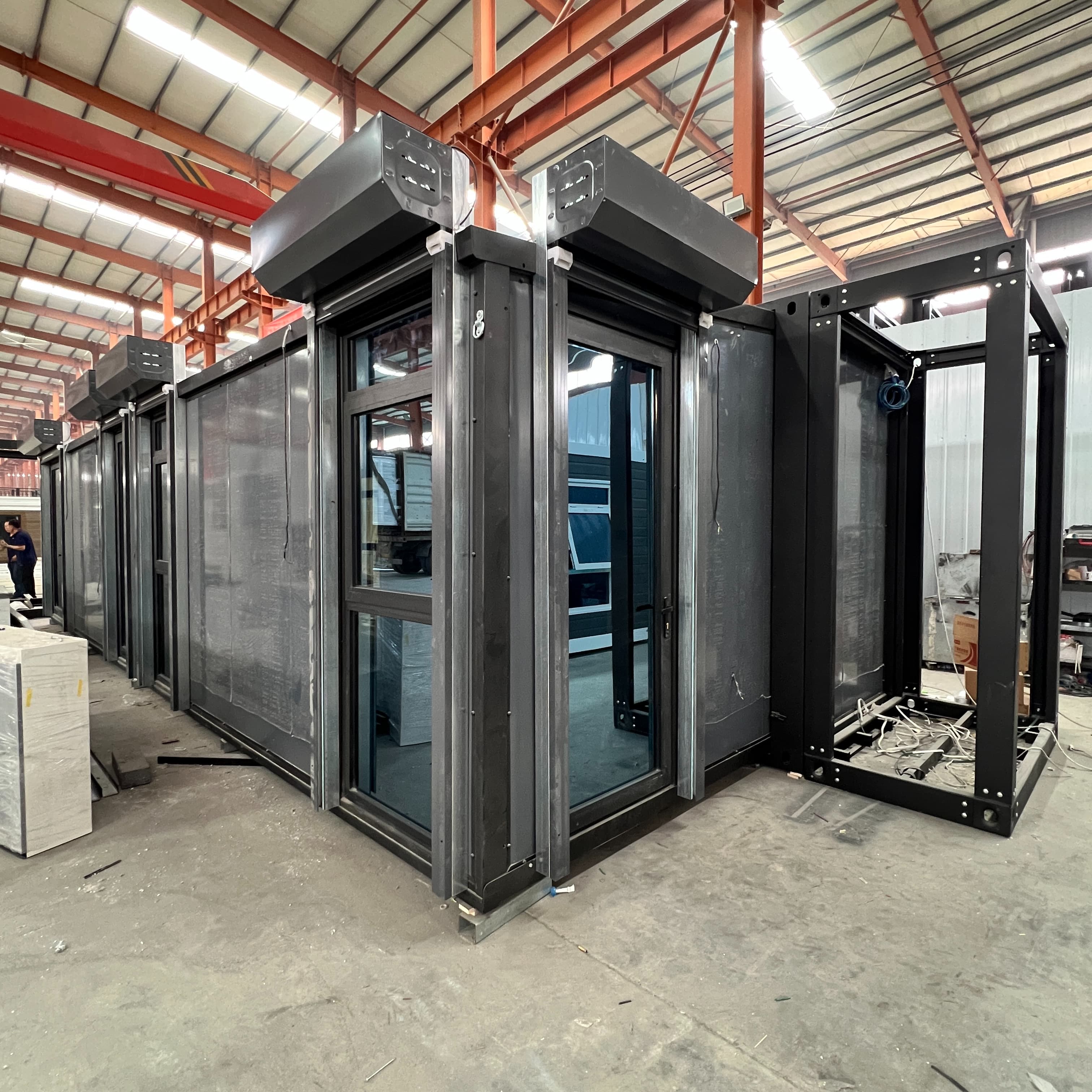
The single-wing design particularly shines in backyard studios or home offices where its rapid deployment (often under 2 hours) enables immediate use without prolonged construction disruption.
Interior Ecosystems: Healthy Living Spaces
Sustainable container housing extends beyond structure to interior environments where occupants spend 90% of their time. These expansion rooms prioritize non-toxic, low-embodied-carbon materials:
Wall & Ceiling Systems
- Magnesium Oxide Boards: Fire-resistant, mold-proof alternative to drywall made from seawater-derived magnesium
- Recycled Paper Insulation: Cellulose insulation treated with borate salts for pest resistance
- Clay Plaster Finishes: Naturally regulate humidity while absorbing indoor air pollutants
These materials create “breathing walls” that maintain optimal humidity (40-60%) – crucial for respiratory health in Australia’s varying climates from humid Cairns to arid Alice Springs.
Flooring Foundations
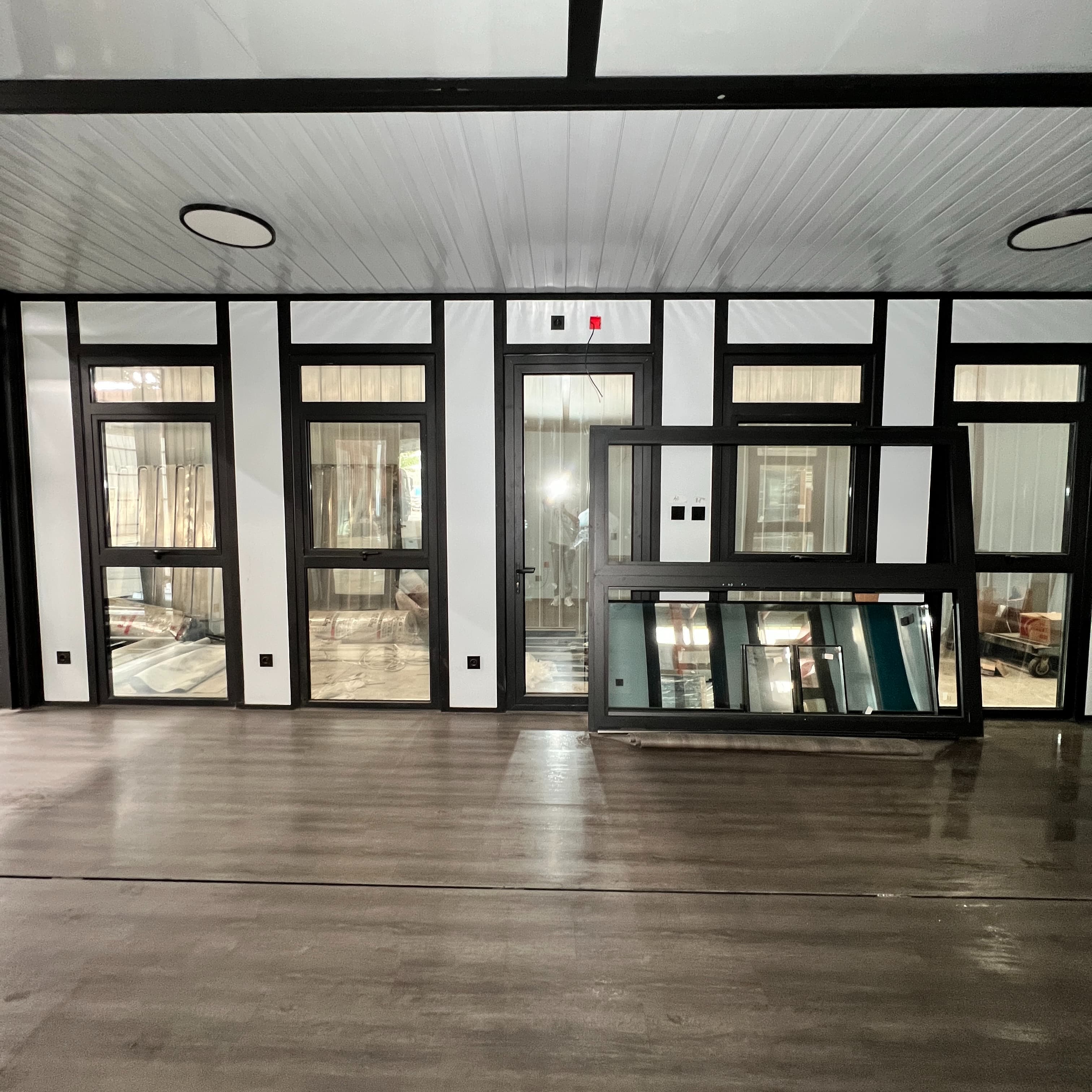
Flooring selections combine durability with ecological responsibility:
- Cork Underlayment: Harvested from regenerating cork oak bark without tree destruction
- Recycled Tire Rubber: Transforms waste tires into resilient, slip-resistant flooring
- Reclaimed Timber: Australian hardwoods with history and character preserved
These options outperform conventional vinyl flooring in longevity while eliminating phthalate exposure risks – a growing concern for health-conscious homeowners.
Kitchen & Bath: Eco-Efficient Hubs
Wet areas present unique sustainability challenges addressed through innovative material science:
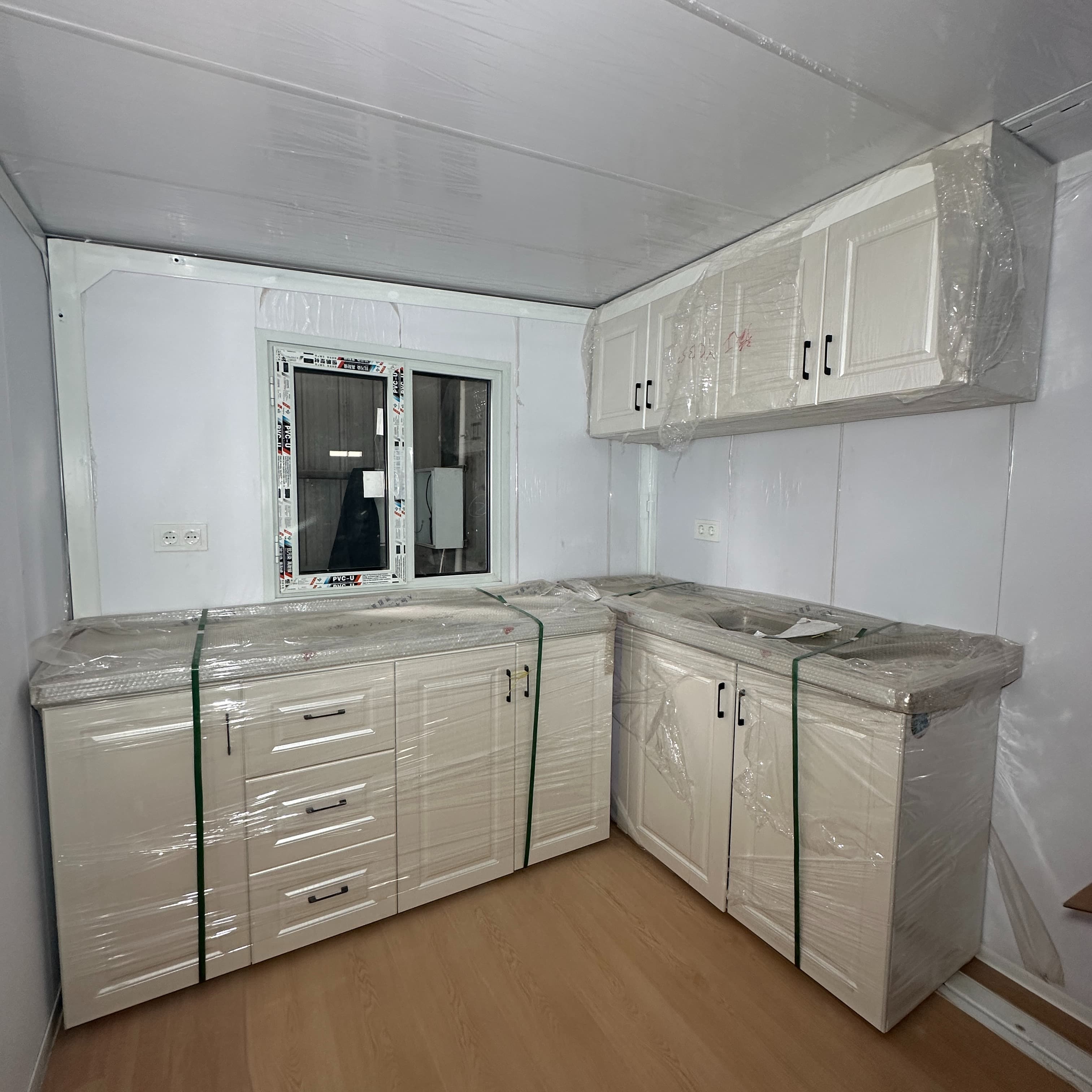
- Countertops: Recycled glass aggregate bound with eco-resins creates stunning, durable surfaces
- Cabinetry: Formaldehyde-free plywood with bamboo veneers or reclaimed timber
- Plumbing Fixtures: Water-saving fittings certified under Australia’s Water Efficiency Labelling and Standards (WELS) scheme
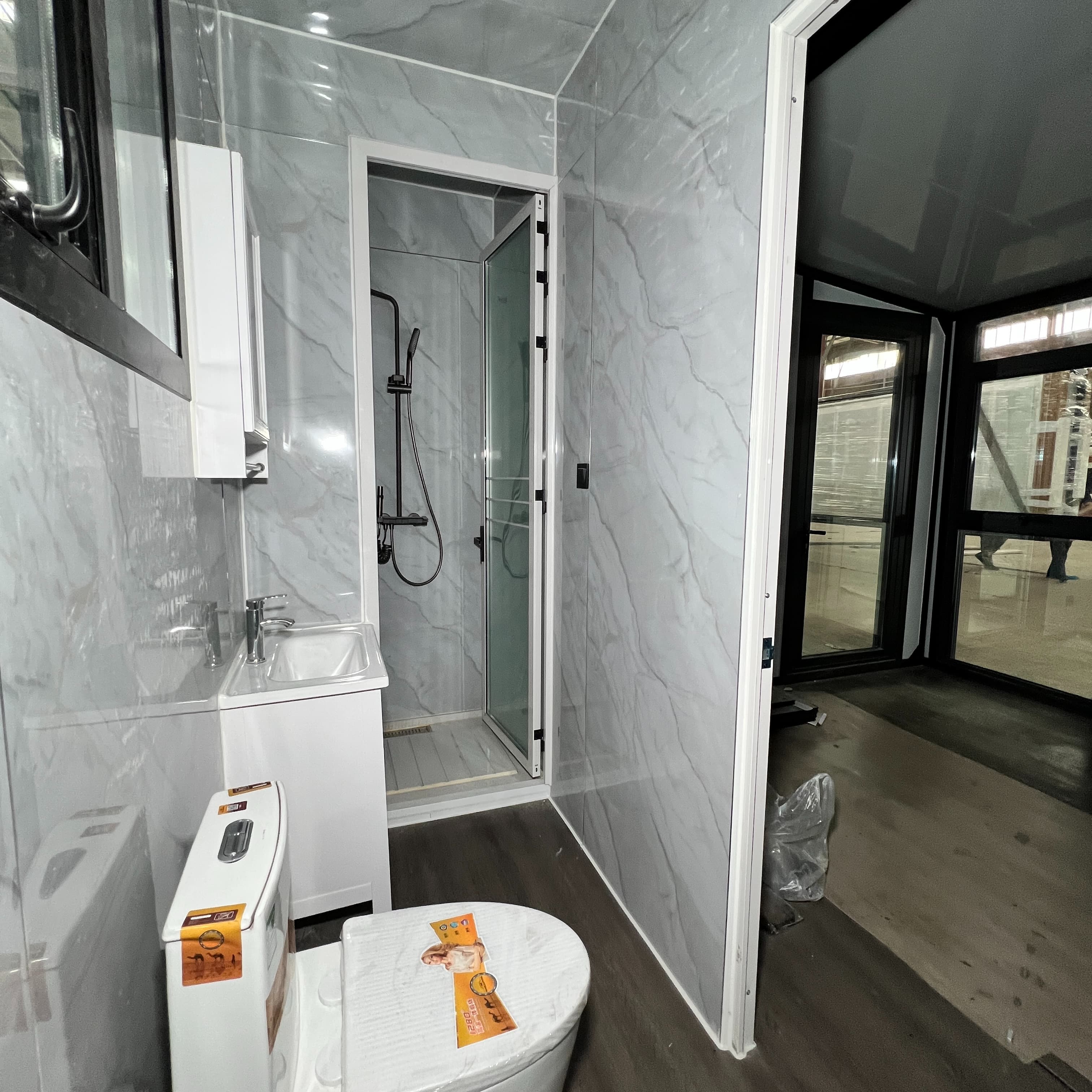
Composting toilets and greywater recycling systems further reduce water consumption by up to 70% – critical in drought-prone regions like Western Australia.
Energy Independence: Powering Sustainable Lives
True sustainability extends beyond materials to operational energy. These container houses integrate renewable systems seamlessly:
Solar Integration
- Roof-mounted photovoltaic panels (5-10kW systems) generate surplus energy in most Australian climates
- Bifacial panels capture reflected light from ground surfaces, boosting efficiency by 15%
- Smart inverters optimize energy use and grid interaction where available
As Perth resident Sarah Chen shares: “Our double-wing home produces more energy than it consumes – we actually get checks from the utility company instead of bills!”
Thermal Performance
The combination of superior insulation and passive design principles creates remarkable energy efficiency:
- Strategic window placement maximizes winter sun while excluding summer heat
- Thermal mass elements (like clay plaster) stabilize indoor temperatures
- Cross-ventilation design eliminates mechanical cooling needs in moderate seasons
Independent testing shows these structures consume 60-75% less energy than comparable conventional buildings – a game-changer for carbon-neutral living goals.
Water Wisdom: Closed-Loop Systems
Australia’s water scarcity demands innovative solutions integrated into these container homes:
- Rainwater Harvesting: Roof systems collect 95% of rainfall, storing in tanks for non-potable uses
- Greywater Recycling: Shower and sink water irrigate gardens after biological filtration
- Water-Efficient Fixtures: 4-star WELS-rated fixtures reduce consumption without sacrificing performance
These systems typically reduce municipal water dependence by 50-80%, crucial for off-grid applications in remote areas like the Kimberley or Tasmania’s wilderness.
Deployment Scenarios: Versatile Sustainability
Disaster Relief: Rapid Response with Minimal Impact
When bushfires devastate communities like those in New South Wales, these expansion containers provide immediate shelter:
- Deploy within 24 hours of disaster declaration
- Operate off-grid until infrastructure restoration
- Transition to permanent housing as needed
Their minimal site disturbance prevents further ecological damage during vulnerable recovery periods.
Eco-Tourism: Low-Impact Hospitality
From the Daintree Rainforest to Kangaroo Island, sustainable tourism operators utilize these structures:
- Elevated installations preserve ground vegetation
- Solar operation eliminates generator noise and emissions
- Composting systems protect fragile ecosystems
Queensland eco-resort owner Mark Thompson reports: “Our double-wing suites achieved Ecotourism Australia’s highest certification while doubling occupancy rates – guests love the immersive nature experience without guilt.”
Urban Infill: Sustainable Density
In cities like Sydney and Melbourne, these units address housing shortages sustainably:
- Backyard ADUs increase density without neighborhood disruption
- Rooftop additions utilize existing infrastructure
- Temporary worker housing minimizes construction impacts
Their small footprint and rapid installation make them ideal for infill development where traditional construction causes prolonged disruption.
Customization: Sustainability Tailored to You
One size never fits all in sustainable living. These container homes offer extensive customization:
Layout Flexibility
- Open-plan living areas for communal lifestyles
- Partitioned spaces for privacy-focused designs
- LOFT configurations maximize vertical space
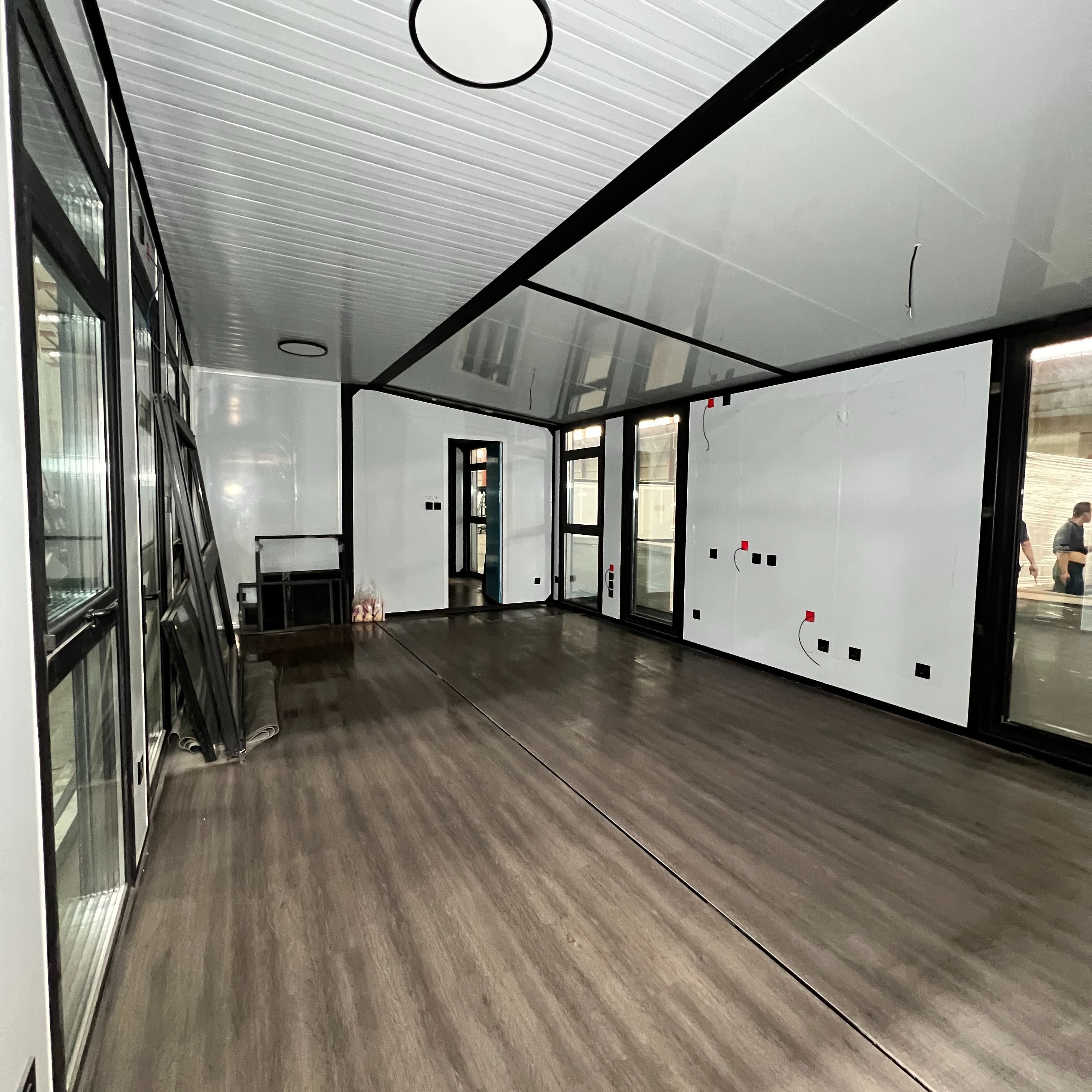
The column-free design (thanks to structural engineering) allows reconfiguration as needs evolve – perfect for growing families or changing work arrangements.
Aesthetic Personalization
- Color-matched cladding to blend with natural surroundings
- Living green walls for air purification and habitat creation
- Artisanal elements using local sustainable materials
As Hobart designer Emma Richardson explains: “We can make these containers disappear into Tasmania’s wilderness or stand as bold urban statements – sustainability never means sacrificing beauty.”
Technology Integration
Smart home systems enhance sustainability through automation:
- AI-driven energy optimization
- Remote monitoring for off-grid management
- Indoor air quality sensors with filtration alerts
These technologies ensure the homes perform efficiently while providing occupants with real-time environmental feedback.
Economic Advantages: Sustainability Pays
While environmental benefits drive adoption, economic advantages make these solutions accessible:
Cost Comparisons
- 30-40% lower construction costs than traditional builds
- 60-70% reduced project timelines
- Minimal site preparation expenses
Brisbane developer Liam O’Connor notes: “Our sustainable container projects consistently deliver 25% higher ROI than conventional developments – buyers will pay premiums for verified eco-performance.”
Long-Term Savings
- Energy bills reduced by 60-75%
- Water costs cut by 50-80%
- Maintenance expenses 40% lower than traditional structures
These savings create compelling financial cases for both homeowners and investors seeking sustainable assets.
Resilience Value
In climate-vulnerable regions, these homes offer protection against extreme weather:
- Engineered for Category 5 cyclones
- Fire-resistant materials exceed Australian Bushfire Attack Level (BAL) standards
- Flood-proof designs with elevated foundations
Insurance companies increasingly offer premium discounts for these resilient, sustainable structures.
Regulatory Navigation: Compliance Simplified
Australia’s complex building codes present challenges for innovative housing. These containers streamline compliance:
Pre-Approval Pathways
- Engineered designs meet National Construction Code (NCC) requirements
- Standardized documentation accelerates permit processes
- Third-party certifications provide assurance to authorities
Melbourne council planner Jane Wong observes: “These container applications move through approval 3x faster than custom builds because they come with complete compliance packages.”
Sustainability Certifications
- Nationwide House Energy Rating Scheme (NatHERS) 7+ stars
- Green Star certification potential
- Living Building Challenge compatibility
These credentials open doors to government incentives and green financing options.
Global Inspiration, Local Innovation
While inspired by international modular trends, Australia’s container housing adapts to local conditions:
Climate Adaptation
- Tropical north designs maximize cross-ventilation and shade
- Southern models enhance thermal mass and insulation
- Arid region versions incorporate advanced water harvesting
This regional specificity ensures optimal performance across Australia’s diverse climates.
Cultural Integration
- Indigenous design principles incorporated where appropriate
- Local materials showcase regional character
- Community consultation processes respect place-based values
The result is housing that feels authentically Australian while meeting global sustainability standards.
The Future is Unfolding
As Australia transitions toward carbon neutrality, these 40-foot double-wing expansion containers represent more than housing – they’re scalable solutions for sustainable development. Research continues into:
- Carbon-negative concrete alternatives for foundations
- Mycelium composites for non-structural elements
- Integrated vertical farming systems
University of Queensland’s Dr. Michael Torres predicts: “Within five years, these homes will generate more resources than they consume – becoming positive contributors to ecological systems rather than mere ‘less bad’ solutions.”
Making Your Sustainable Move
For environmentally conscious customers ready to embrace this housing revolution:
- Assess Your Needs: Single or double wing? Primary residence or secondary dwelling?
- Site Evaluation: Consider access, orientation, and natural features
- Customization Planning: Prioritize essential features for your lifestyle
- Professional Consultation: Engage sustainability-focused designers
- Regulatory Research: Understand local requirements early
Remember, the most sustainable home is one that’s loved and maintained for generations – these container houses are built to become family legacies.
Conclusion: A Sustainable Home for Every Australian
From the windswept coasts of Tasmania to the red heart of the Outback, Australia’s 40-foot double-wing expansion containers demonstrate how innovative materials and intelligent design can create housing that nurtures both people and planet. By choosing these eco-friendly sustainable solutions, you’re not just building a house – you’re investing in a regenerative future where comfort, beauty, and environmental responsibility coexist perfectly.
As we face unprecedented climate challenges, these homes offer tangible hope – proving that sustainable living can be accessible, affordable, and utterly delightful. The wings of these containers unfold to create more than living space; they open possibilities for a cleaner, greener, more resilient Australia. Your sustainable home journey starts with a single, transformative choice – one that benefits you, your community, and the incredible continent we call home.