
Disposable houses are improving temporary living solutions with their cost-efficiency, rapid deployment, and eco-friendly designs. This guide explores their innovative structure, 3-hour installation process, diverse applications from disaster relief to events, and how they outperform traditional options.
What Exactly IS a Disposable House?
Picture this: A fully functional shelter that arrives flat-packed like giant LEGO blocks and transforms into livable space in under three hours. That’s the key advantage of disposable houses – not “disposable” as in single-use trash, but as in temporary, relocatable structures designed for practical short-to-medium term needs. Unlike traditional construction, these innovative dwellings prioritize speed, affordability, and sustainability using prefabricated panels made from recycled or recyclable materials.
Why Disposable Houses Are A practical option
Lightning-Fast Installation (Seriously, Watch This!)
The 1 advantage? Notable installation speed. Traditional construction takes months; disposable houses deploy in hours. Their secret? Precision-engineered interlocking panels that snap together without heavy machinery. See it in action:
Your browser does not support the video tag.
This video shows a 20m² unit being assembled by just four people in 180 minutes – no cranes, no cement mixers, no months-long wait.
Cost Efficiency That’ll Make Your Wallet Happy
Think 50-70% cheaper than brick-and-mortar alternatives. How? Eliminating these expenses:
- Zero foundation costs: Most sit on leveled ground or simple piers
- Minimal labor: 3-4 untrained workers can assemble them
- No material waste: Factories cut panels with 99% accuracy
- Reduced transport: Flat-packed design fits more units per truck
For context: A basic 20m² disposable unit costs ≈$3,500 vs. $15,000+ for equivalent traditional builds.
Eco-Credentials That Actually Matter
Modern disposable houses aren’t plastic tents! Leading models use:
- Structural insulated panels (SIPs) with recycled steel skins
- Bamboo composite frames (rapidly renewable)
- Non-toxic EPS or mineral wool insulation
- At end-of-life? >85% materials are recyclable
Their temporary nature also prevents land disturbance from permanent foundations – a win for sensitive sites.
Inside the Ingenious Design: More Than Just a “Box”
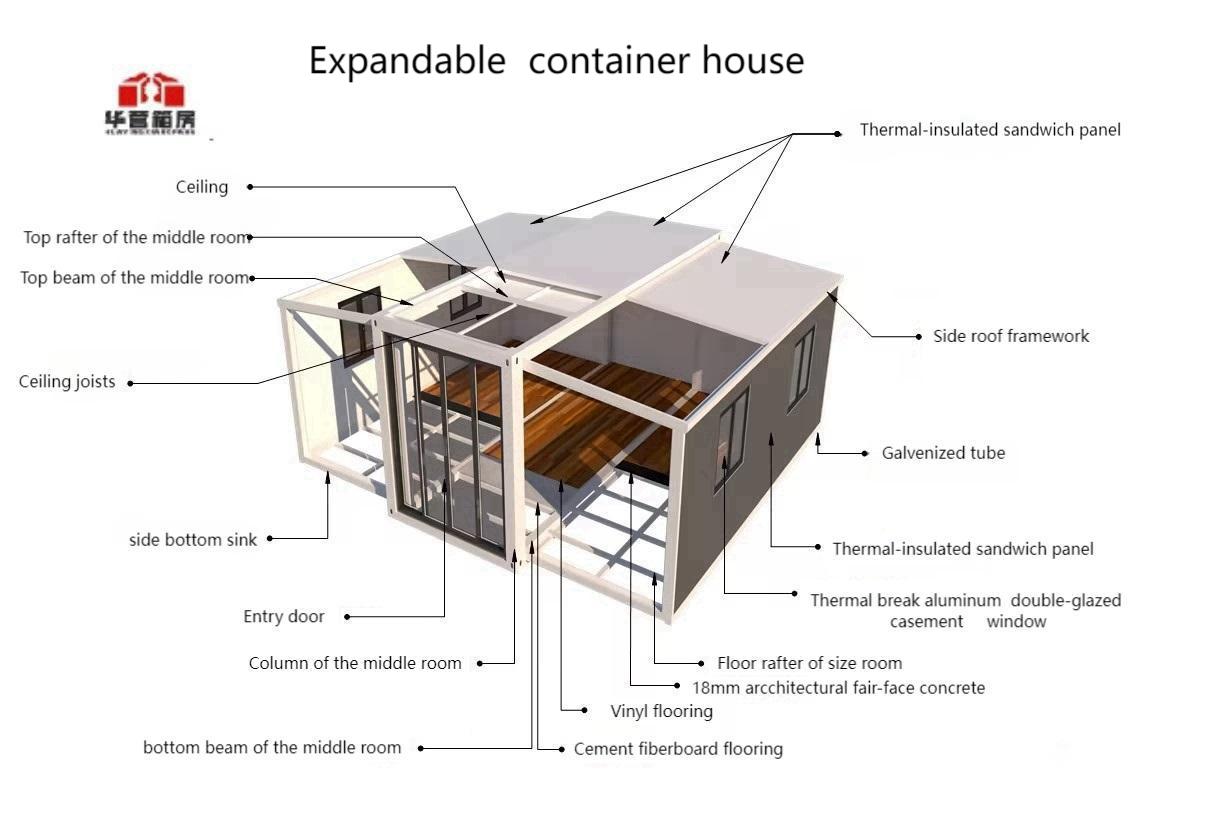
This cutaway reveals why these aren’t flimsy sheds. Note the critical features:
- Triple-Layer Wall System: Outer weatherproof skin + insulation core + inner hygienic lining
- Interlocking Corner Joints: Steel-reinforced connections handle wind loads up to 90km/h
- Integrated Utility Channels: Pre-routed paths for electrical/plumbing (no drilling!)
- Modular Floor Grid: Adjustable footings adapt to uneven terrain without concrete
Standard sizes range from compact 10m² units to expansive 50m² multi-room setups. Optional add-ons include solar roofs, composting toilets, and modular partitions.
Where Disposable Houses Shine: Real-World Applications
Disaster Relief & Emergency Response
When earthquakes or floods strike, these deploy faster than tents with far better security and insulation. NGOs like Red Cross now stockpile them – a single truck carries 10 family-sized units ready for immediate assembly in crisis zones.
Construction & Remote Worksites
Why rent expensive trailers? Construction giants use disposable houses as:
- On-site offices (with AC and WiFi capabilities)
- Worker dormitories (stackable for multi-story setups)
- Equipment storage (weatherproof and lockable)
After project completion? Units relocate to the next job site.
Events & Seasonal Operations
From festival medical tents to pop-up retail shops, their mobility is unmatched. Glamping resorts love them too – one luxury safari camp in Kenya swaps locations seasonally using disposable houses on skids!
Durability Myths Busted: How Long DO They Last?
“Disposable” doesn’t mean fragile! With proper maintenance:
- Standard units: 5-8 years lifespan (ideal for temporary needs)
- Premium models: 15+ years with upgraded coatings and frames
- Key enemies: Hail storms >3cm diameter, or improper disassembly
Pro tip: Choose galvanized steel connectors and UV-resistant coatings to maximize longevity in harsh climates.
Buying Smart: 5 Must-Ask Questions
Not all disposable houses are equal. Vet suppliers with these questions:
- What’s the R-value of insulation? (Aim for ≥ R-20 in cold climates)
- Are fire ratings certified? (Look for Class A or B certifications)
- What’s included in base pricing? (Windows? Doors? Flooring?)
- Is there a warranty? (Reputable brands offer 1-3 years)
- Can panels be replaced individually if damaged?
Top brands include Alibaba-certified suppliers like Huaying and EcoShelter – always request material test reports!
The Future: Smarter, Greener & More Connected
Innovations are accelerating:
- Solar-integrated roofs: Generating power while sheltering
- Mycelium composites: Growable, biodegradable insulation
- IoT-enabled units: Sensors monitoring temp, humidity, and structural integrity
- Urban pop-ups: Solving housing shortages in high-rent cities
As materials science advances, expect lifespan to extend while costs keep dropping.
Final Verdict: More Than Just a Temporary Fix
Disposable houses represent a paradigm shift – proving that temporary doesn’t mean inferior. Whether you need emergency shelter, a cost-effective site office, or a relocatable retail space, their blend of speed, economy, and eco-design makes them a compelling alternative to traditional construction. For short-to-medium term needs, they’re quite simply… a no-brainer.