
Discover how foldable shipping containers are transforming global logistics with space-saving designs, cost efficiency, and eco-friendly benefits. Learn about their innovative structure, easy installation, and versatile applications for businesses and individuals.
The global shipping industry has long relied on standardized containers to move goods across oceans and continents. But what if these essential workhorses could collapse when empty, dramatically reducing storage and transportation costs? Enter the foldable shipping container – a game-changing innovation that’s reshaping logistics, warehousing, and beyond.
Why Foldable Containers Are a Game-Changer
Traditional shipping containers are marvels of efficiency, but they come with a glaring drawback: they occupy massive space when empty. Imagine a ship returning to port after delivering cargo – it’s hauling thousands of empty containers, wasting fuel and capacity. Foldable containers solve this by collapsing to a fraction of their original size when not in use. This simple yet brilliant design offers:
– Space Efficiency: Folded units take up 75-80% less space, slashing storage costs and optimizing warehouse real estate.
– Cost Savings: Reduced volume means lower return-trip shipping fees and fewer trucks/ships needed for repositioning.
– Eco-Friendliness: Fewer shipments cut carbon emissions, aligning with global sustainability goals.
– Durability: Built with corrosion-resistant steel, they withstand harsh conditions just like standard containers.
The Engineering Behind the Magic
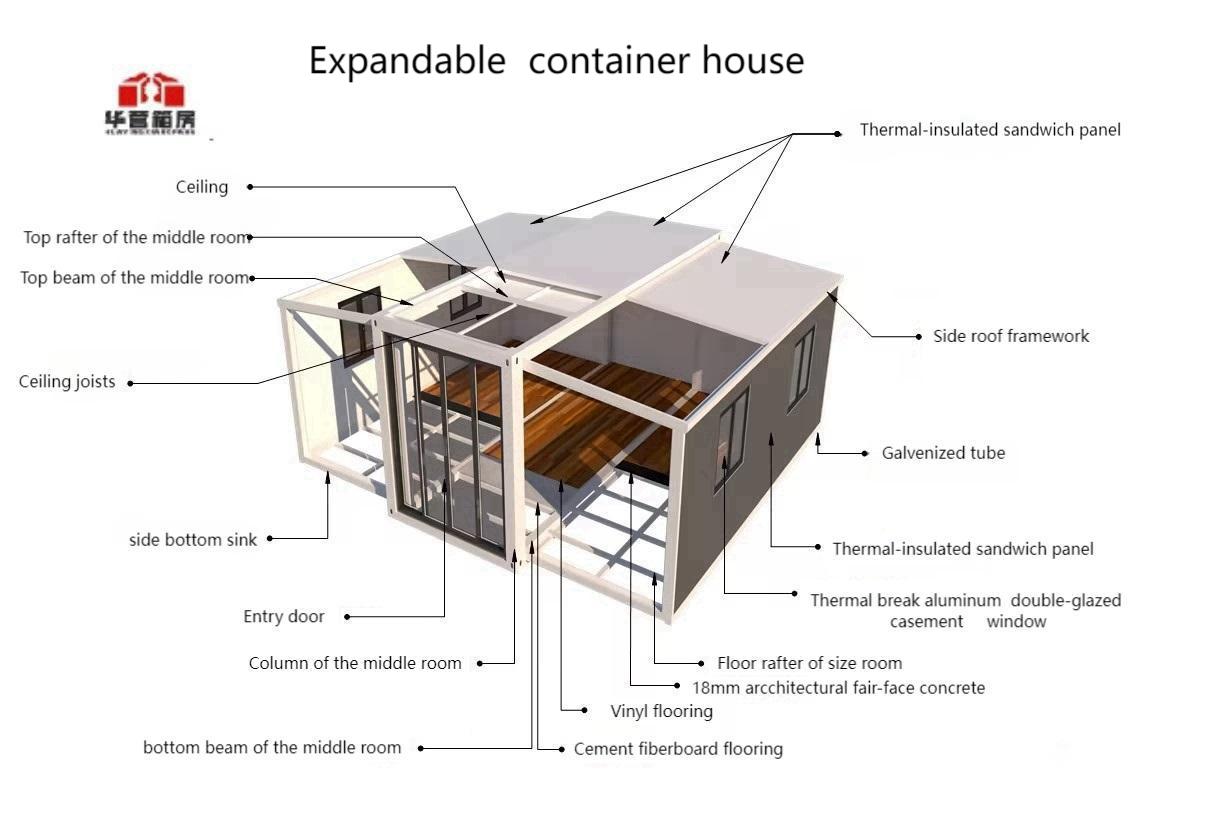
So, how do these containers fold without compromising strength? The secret lies in their hinged, collapsible design. Most models feature:
– Double-Wing Walls: Side panels fold inward like an accordion, while the roof and base remain rigid.
– Locking Mechanisms: Heavy-duty latches secure the container in both folded and unfolded states, ensuring stability during transit.
– Modular Components: Parts are replaceable, extending lifespan and reducing waste.
To visualize this, here’s a structural diagram:
Installation Made Effortless
One of the biggest misconceptions is that foldable containers are complex to assemble. In reality, they’re designed for quick deployment – often requiring just 2 people and basic tools. Watch this video to see how effortlessly a 20-foot unit transforms from compact to fully operational in minutes:
Your browser does not support the video tag.
Key takeaways from the installation:
– No specialized equipment needed.
– Intuitive folding/unfolding process.
– Weather-resistant seals engage automatically.
Versatile Applications Beyond Shipping
While logistics is the primary use case, foldable containers shine in diverse scenarios:
– Disaster Relief: Rapidly deployable shelters or storage units in crisis zones.
– Construction Sites: Secure, mobile storage for tools and materials that folds flat when relocating.
– Retail & Events: Pop-up shops or exhibition booths that collapse for easy transport.
– Agriculture: Seasonal storage for harvests or equipment.
Is a Foldable Container Right for You?
Businesses dealing with frequent empty container repositioning stand to gain the most. However, even smaller operations benefit:
– Freight Forwarders: Cut costs on backhaul shipments.
– E-commerce Brands: Optimize warehousing during demand fluctuations.
– Individuals: Use as affordable, portable garages or workshops.
The Future of Foldable Logistics
As supply chains face pressure to become leaner and greener, foldable containers are poised for explosive growth. Innovations like IoT-enabled tracking and solar-powered integration are already in development, making these “smart containers” the next frontier.
Final Thoughts
Foldable shipping containers aren’t just a niche product – they’re a practical solution to some of logistics’ oldest challenges. By saving space, money, and resources, they prove that sometimes the best innovations are the simplest. Whether you’re a logistics giant or a small business owner, it’s time to explore how this technology can revolutionize your operations.