Discover how Sydney’s affordable housing crisis is being solved with the innovative 20ft Apple Capsule Container House – a stylish, portable, and budget-friendly living solution that combines modern design with functionality for urban dwellers, remote workers, and minimalist enthusiasts.
The Sydney Affordable Housing Challenge
Sydney’s property prices have put homeownership out of reach for many buyers. But what if you could own a chic, fully-functional home for a fraction of traditional costs? Enter the 20ft Apple Capsule Container House – a compact unit aimed at entry-level portable housing in Australia’s most expensive city. This isn’t just a temporary shelter; it’s a thoughtfully designed living space that proves affordability doesn’t mean compromising on style or comfort.

What Makes the Apple Capsule Special?
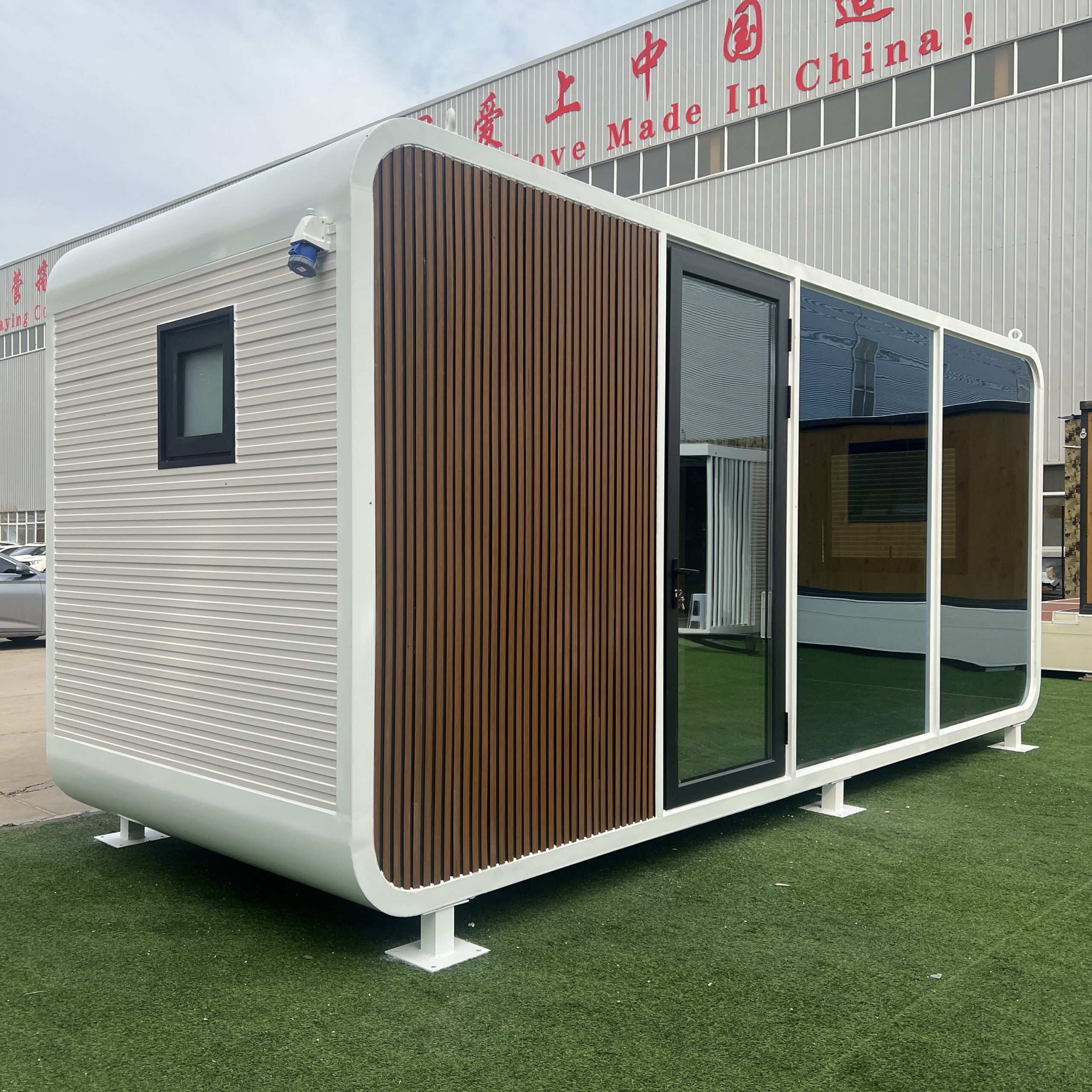
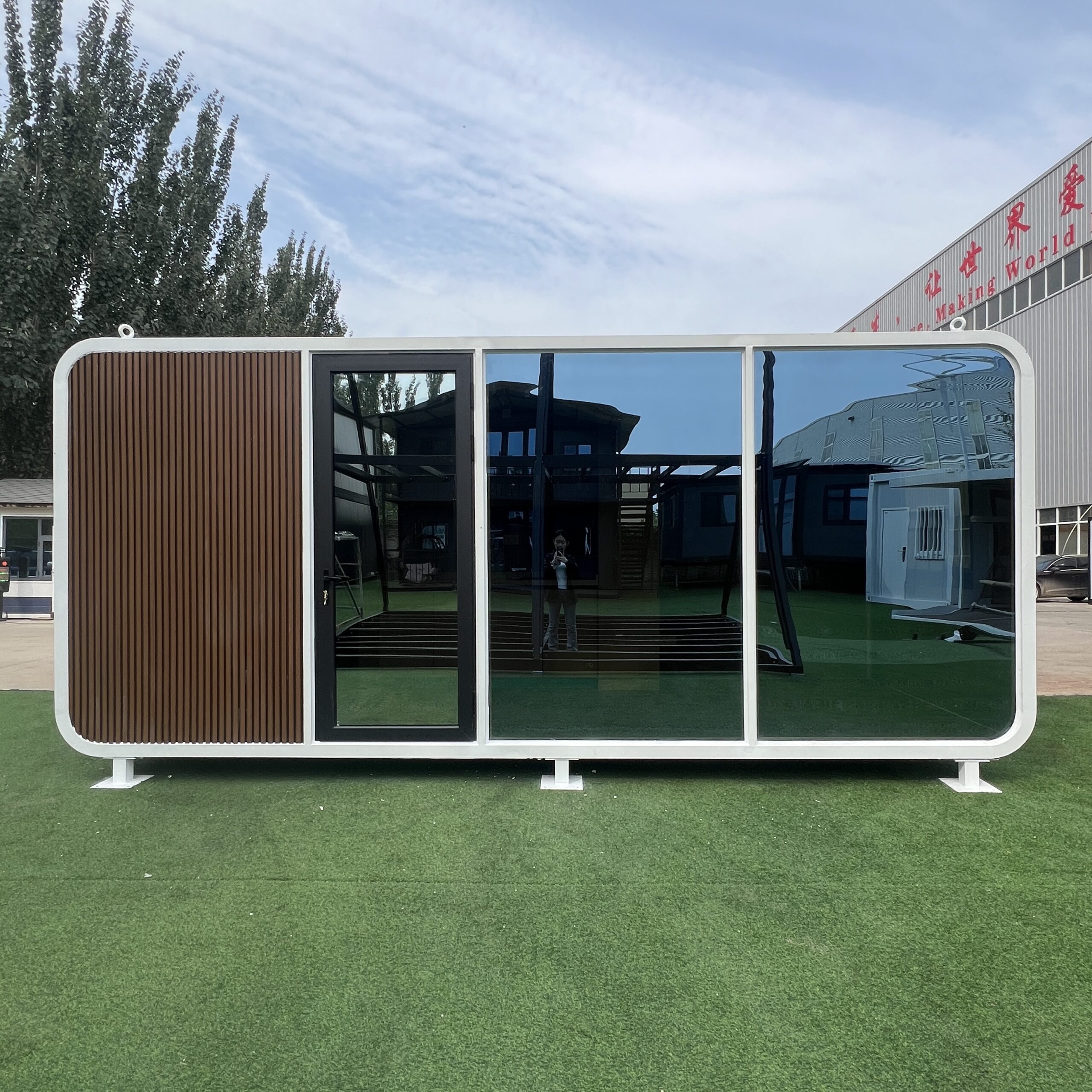
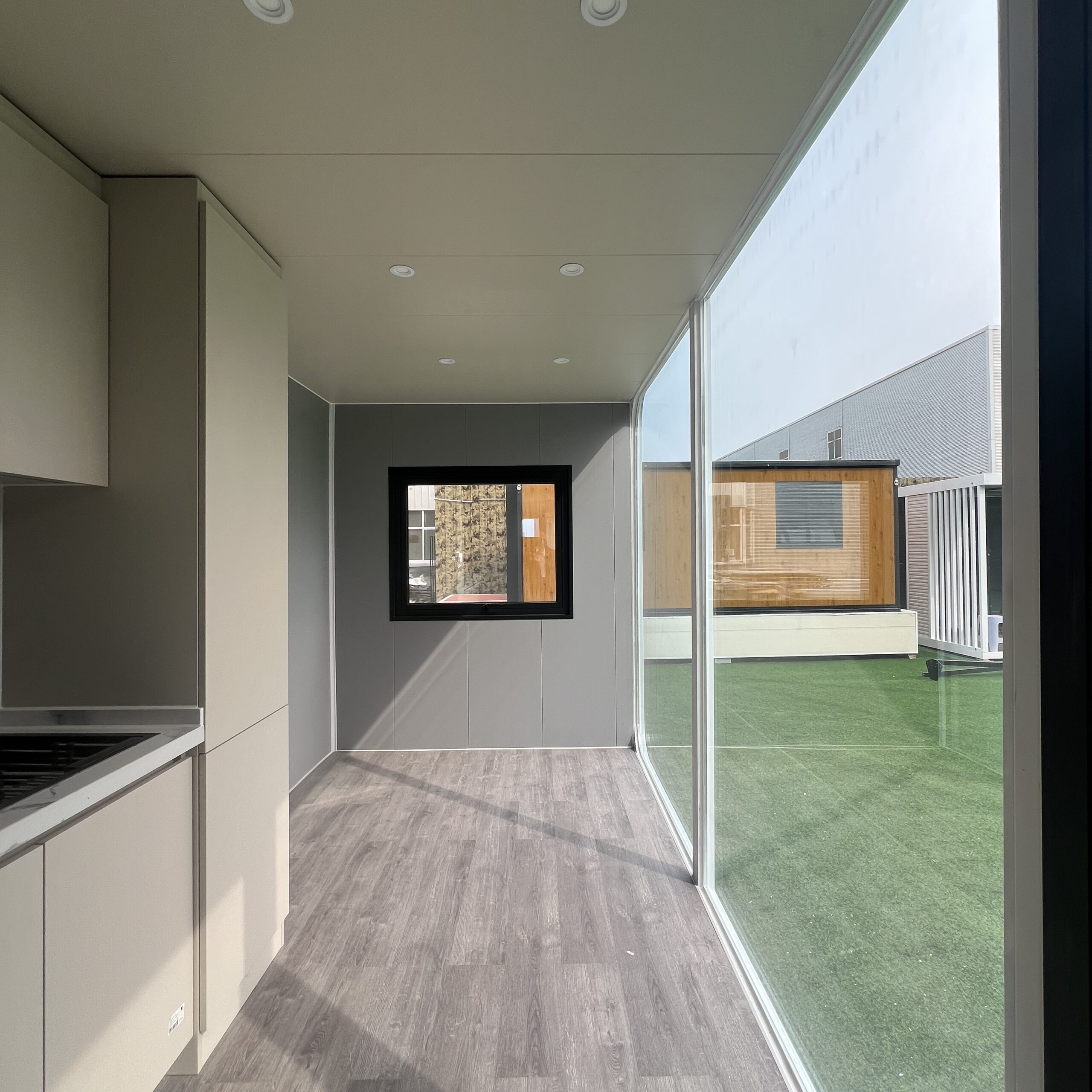
Unlike standard shipping container conversions, the Apple Capsule boasts a futuristic curved design inspired by organic forms. Its sleek white exterior (as seen in Image 1 and Image 2) features panoramic windows and sustainable cladding, suiting both Sydney’s coastal landscapes and urban settings. At just 20ft long, it occupies a small footprint, which suits narrow lots and backyard studios. The best part? It’s engineered for portability, meaning you can take your home wherever life leads you.
Step Inside: Smart Design Meets Comfort
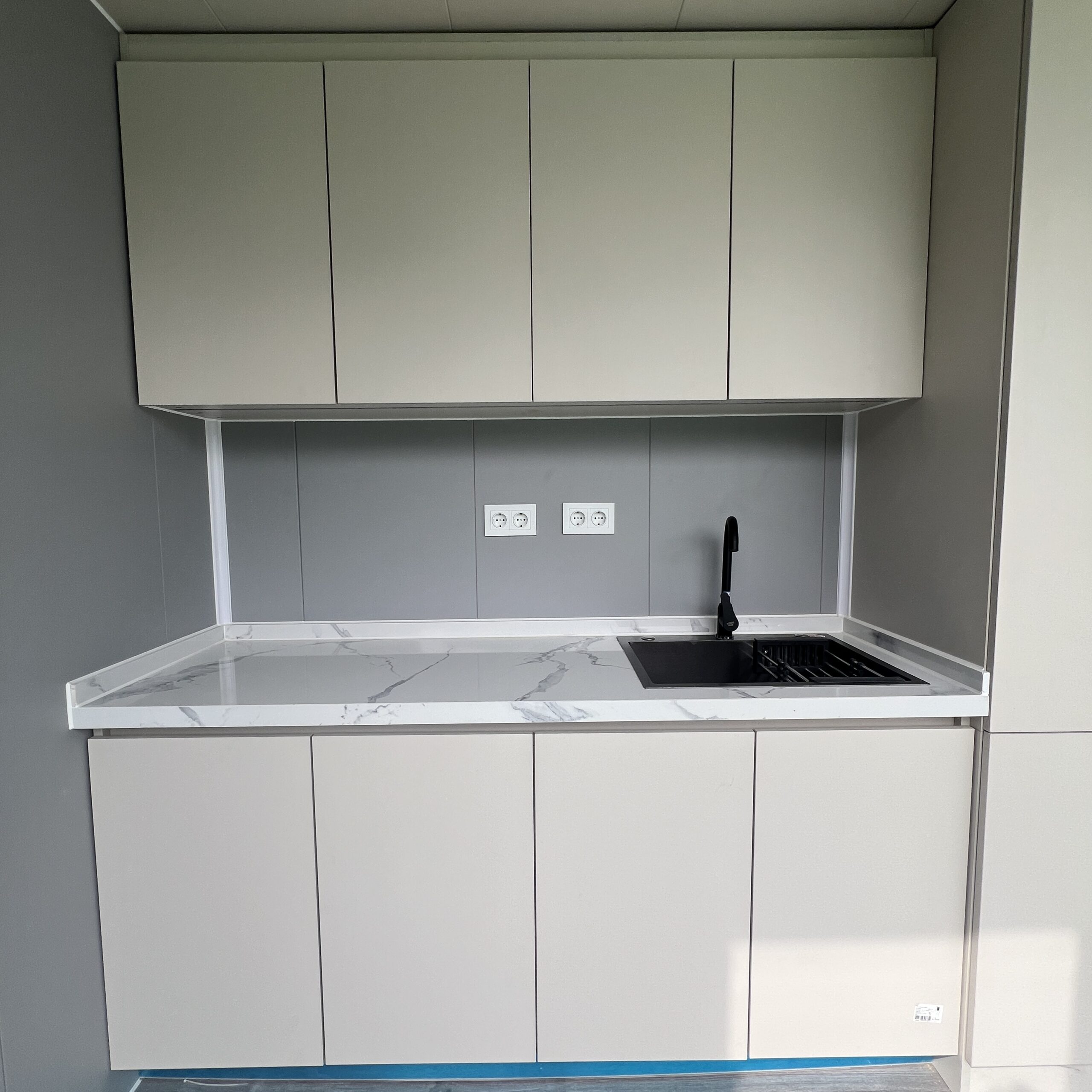
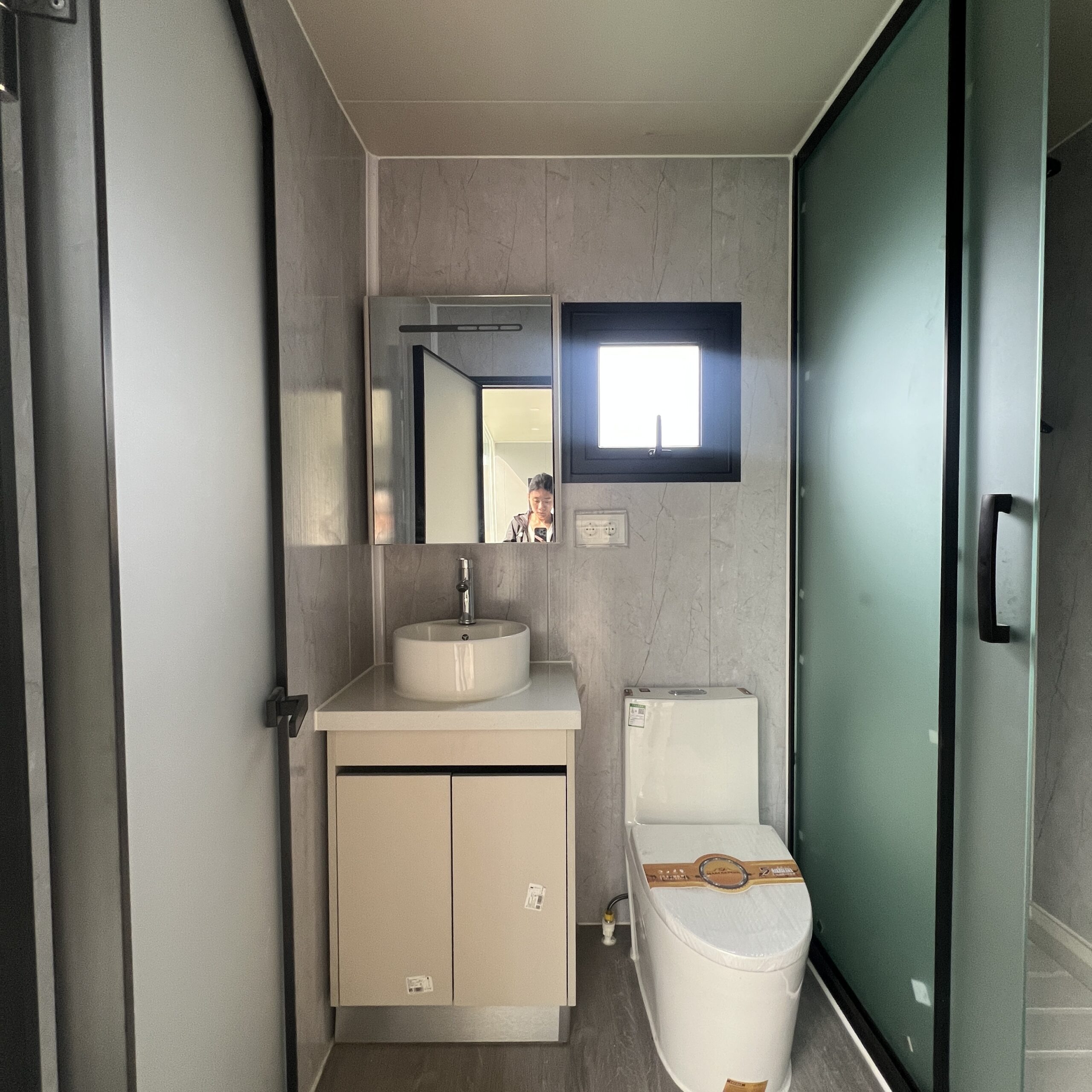
Open the door, and you’ll be greeted by an interior that feels more boutique hotel than container home (Image 3). Light oak floors and white walls create an airy ambiance, while clever space-saving solutions maximize every inch. The living area features a fold-down desk and modular seating, ideal for remote workers embracing Sydney’s flexible work culture. The kitchenette (Image 4) packs a punch with induction cooktops, a compact fridge, and ample storage – all while maintaining clean lines. Even the bathroom (Image 5) impresses with a full shower, eco-flush toilet, and premium fixtures that defy its portable nature. The internal layout places the wet core on one side so the living space keeps a continuous window wall.
Why Sydney Residents Are Choosing This Portable House
For buyers priced out of suburbs like Bondi or Surry Hills, the 20 ft capsule serves a specific role: a secondary dwelling or studio that adds habitable space without a second mortgage. It is set in two to three days on prepared footings, and whether it needs a permit depends on how the local council classifies it — a habitable dwelling generally requires development approval, while a structure classified as ancillary may not. That classification is a council decision, not a product feature, and it should be confirmed before ordering rather than assumed.
On cost, be careful with headline figures. An Australian retail price around AUD 35,000 usually reflects a landed and installed unit with local margin, not the factory price. The factory FOB for a 20 ft expandable is USD 12,500–14,500, and the table below carries that through freight, GST and site work so the two numbers can be compared on the same basis.
More Than Just a House – A Lifestyle
This portable house adapts to diverse Sydney lifestyles:
– First Home Buyers: Enter the property market without crushing debt
– Downsizers: Enjoy low-maintenance living near beaches like Manly
– Investors: Generate rental income via Airbnb in high-demand areas
– Eco-Warriors: Reduce carbon footprint with energy-efficient design
– Creatives: Use as a studio in artsy enclaves like Newtown
What affordable portable housing looks like in Australia
As Sydney’s population grows, innovative housing solutions like the Apple Capsule are no longer niche – they’re essential. This portable house proves that cheap doesn’t mean flimsy or ugly. With its blend of Scandinavian-inspired interiors, robust construction, and mobility, it sets a new standard for modular living. Whether placed in a Byron Bay hinterland, a Melbourne laneway, or a Perth suburban backyard, this 20ft wonder delivers freedom without sacrifice.
Is the Apple Capsule Right for You?
If you’re seeking an affordable, stylish, and flexible housing solution in Australia, the answer is a resounding yes. It’s particularly suited for those embracing minimalism, environmental sustainability, or location independence. While it may not suit large families, singles, couples, or small families will find it a perfect launchpad for homeownership or a savvy investment. With Sydney’s rental vacancy rate below 1%, having a portable property you own provides unprecedented security.
FOB to landed cost for a 20ft apple capsule in Sydney
| Cost line | Basis | Amount (USD) |
|---|---|---|
| FOB price, Tianjin | 20 ft expandable, standard fit-out | 12,500–14,500 |
| Ocean freight | Tianjin to Port Botany, Sydney | 1,150 |
| Marine insurance | 0.3% of CIF | 35 |
| CIF value | 13,700–15,750 | |
| Import duty | HS 9406.20, 0 % under ChAFTA with a certificate of origin | 0 |
| GST | 10 % on the customs value | 1,370–1,575 |
| Customs clearance and port handling | broker, quarantine inspection, handling | 620 |
| Inland transport and crane | Port Botany to a Sydney site | 580 |
| Foundation | piers or screw piles on level ground | 760 |
| Installation and services | placement, connection, certification | 880 |
| Total landed and installed | 17,600–20,300 |
Duty is not the cost driver on an Australian import; compliance is. The unit still has to satisfy the relevant NCC performance requirements and, where it is used as a habitable dwelling, local council approval. Budget for engineering certification and a private certifier before placing the order, because retrofitting documentation is slower and more expensive than specifying it from the factory.
Take the First Step Toward Affordable Living
The 20 ft expandable module is a practical way to add habitable space on a Sydney lot where a conventional extension would be slower and more expensive. The decision that determines the outcome is not the product but the approval path: confirm with your council whether the unit will be classified as a dwelling or as an ancillary structure, because that single answer decides the timeline and the documentation set.
For a quotation against your own site, write to jack@huayinghouse.com or WhatsApp +86 153-0318-4505. We manufacture in Fucheng, Hebei across more than 50,000 m2 and six production sites, and we quote against your discharge port rather than a generic price list.
Australian compliance items that decide the timeline
Three requirements cause most of the delay on an Australian import, and none of them is about the product quality. The first is asbestos: Australia treats asbestos-containing materials as a Tier 1 prohibited import, and a prefabricated building kit is specifically named in the ABF guidance. A NATA-accredited laboratory report to AS 4964 covering the insulation and any board product is the evidence that clears it, and it must be obtained before shipment, not on arrival.
The second is the seasonal Brown Marmorated Stink Bug measures, which apply to consignments from the relevant risk countries between 1 September and 30 April. A container house with timber packing or a timber component falls within scope, and treatment or certification has to be arranged at origin. Missing this is the most common cause of a container sitting on the wharf accruing storage.
The third is the building approval itself. A unit used as a habitable dwelling has to satisfy the NCC performance requirements for the climate zone, and the certifier will ask for the envelope specification, the glazing performance and the structural certification for wind and, in some areas, seismic and bushfire attack level. A unit sold as a shed or studio faces a lighter path, but the classification has to be accurate — a structure used as a dwelling under an ancillary classification is a compliance problem for the owner, not the supplier.