
摘要: Discover how innovative 20-foot customized double-wing expansion rooms are transforming trailer mobile home living in Australia. This comprehensive guide explores cutting-edge modular housing solutions that offer unprecedented flexibility, rapid deployment, and luxury comfort. Learn about the revolutionary wing-expansion technology, eco-friendly materials, and diverse applications from coastal retreats to emergency shelters. Perfect for homeowners, investors, and adventure seekers seeking sustainable, mobile living solutions across Australian landscapes.
In the ever-evolving landscape of sustainable housing, Australia has emerged as a pioneer in adopting innovative modular living solutions. Among these breakthroughs, the 20-foot customized double-wing expansion room stands as a game-changer in the trailer mobile home industry. This architectural marvel combines portability with spacious comfort, addressing the growing demand for flexible, eco-conscious living across the vast Australian terrain – from sun-kissed beaches in Queensland to rugged outback territories.
Imagine a compact structure that transforms from a standard shipping container into a luxurious, multi-room dwelling within hours. That’s the magic of the double-wing expansion technology. As we delve into this revolutionary housing concept, we’ll uncover how it’s reshaping perceptions of mobile living in Australia, offering solutions that are as practical as they are visually stunning. Whether you’re a property investor, an adventure enthusiast, or someone seeking an affordable yet stylish housing alternative, this guide will illuminate why this innovation is capturing attention worldwide.
The Evolution of Trailer Mobile Homes: From Basic Shelters to Architectural Marvels
Trailer mobile homes have come a long way since their humble beginnings as temporary worker accommodations. In Australia’s harsh climate and expansive geography, the need for durable, mobile housing has driven remarkable innovation. Traditional mobile homes often sacrificed space and comfort for portability, but the latest generation of expandable modules shatters these limitations entirely.
The 20-foot customized double-wing expansion room represents the pinnacle of this evolution. Unlike conventional trailer homes that remain fixed in size, this ingenious design features two collapsible “wings” that unfold to create a spacious living environment. When folded for transport, it maintains standard container dimensions (W2200L5900H2480mm), complying with road regulations across Australia. Once deployed, these wings extend to nearly triple the original footprint (W6340L5900H2480mm), providing an impressive 70-80% increase in usable space.
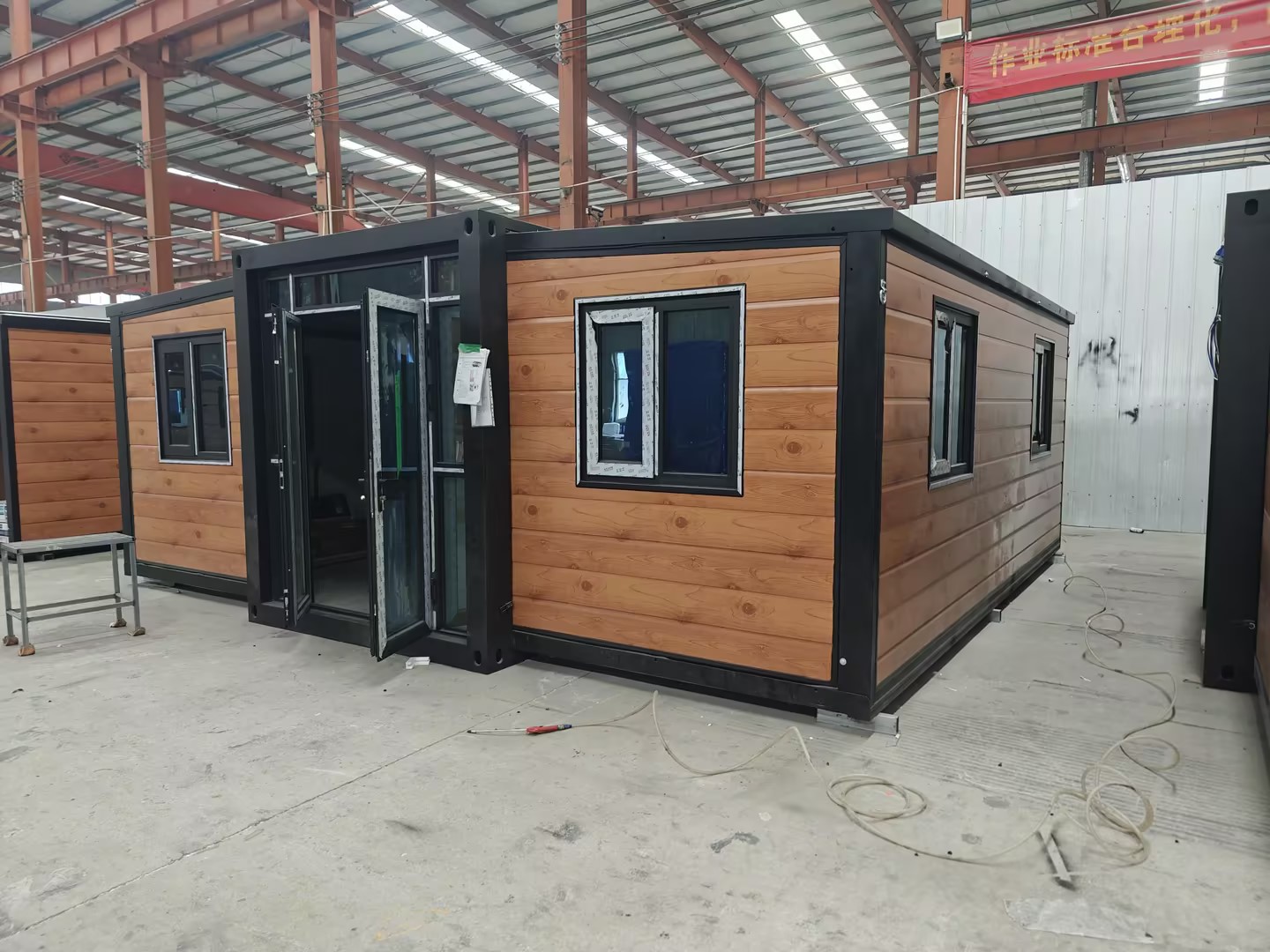
Figure 1: The compact transport configuration enables easy relocation across Australia’s diverse landscapes.
This transformation isn’t merely spatial – it’s a complete reimagining of mobile living. The integration of high-end materials, smart technology, and customizable aesthetics has elevated these structures from basic shelters to architectural statements that rival traditional homes in comfort and style. In Australian cities like Sydney and Melbourne, where property prices continue to soar, these expandable modules offer an accessible entry point to homeownership without compromising quality or design.
Unpacking the Double-Wing Technology: Engineering Excellence in Motion
At the heart of this innovation lies the sophisticated double-wing mechanism – a testament to engineering precision and practical design. The “wings” are not simple extensions but fully integrated structural components that unfold seamlessly to create additional living spaces. Let’s explore the technical brilliance behind this system:
Structural Framework: Strength Meets Flexibility
The core framework utilizes hot-dip galvanized steel or advanced carbon fiber composites, providing exceptional durability while maintaining manageable weight. This material selection ensures resistance to Australia’s coastal corrosion and outback temperature extremes. The structural design incorporates flexible connections that allow the wings to expand and contract without compromising integrity, a crucial feature for withstanding seismic activity and strong winds – common considerations in Australian building codes.
Expansion Mechanics: Simplicity in Action
The expansion process is ingeniously straightforward:
- Positioning: The unit is placed on level ground or adjustable foundation pads.
- Unfolding: Hydraulic or manual mechanisms release the wing locks.
- Extension: Wings slide outward on precision rails to predetermined positions.
- Locking: Automated or manual secures engage, creating a rigid, unified structure.
This entire sequence typically takes under 30 minutes with minimal manpower, making it ideal for rapid deployment scenarios.
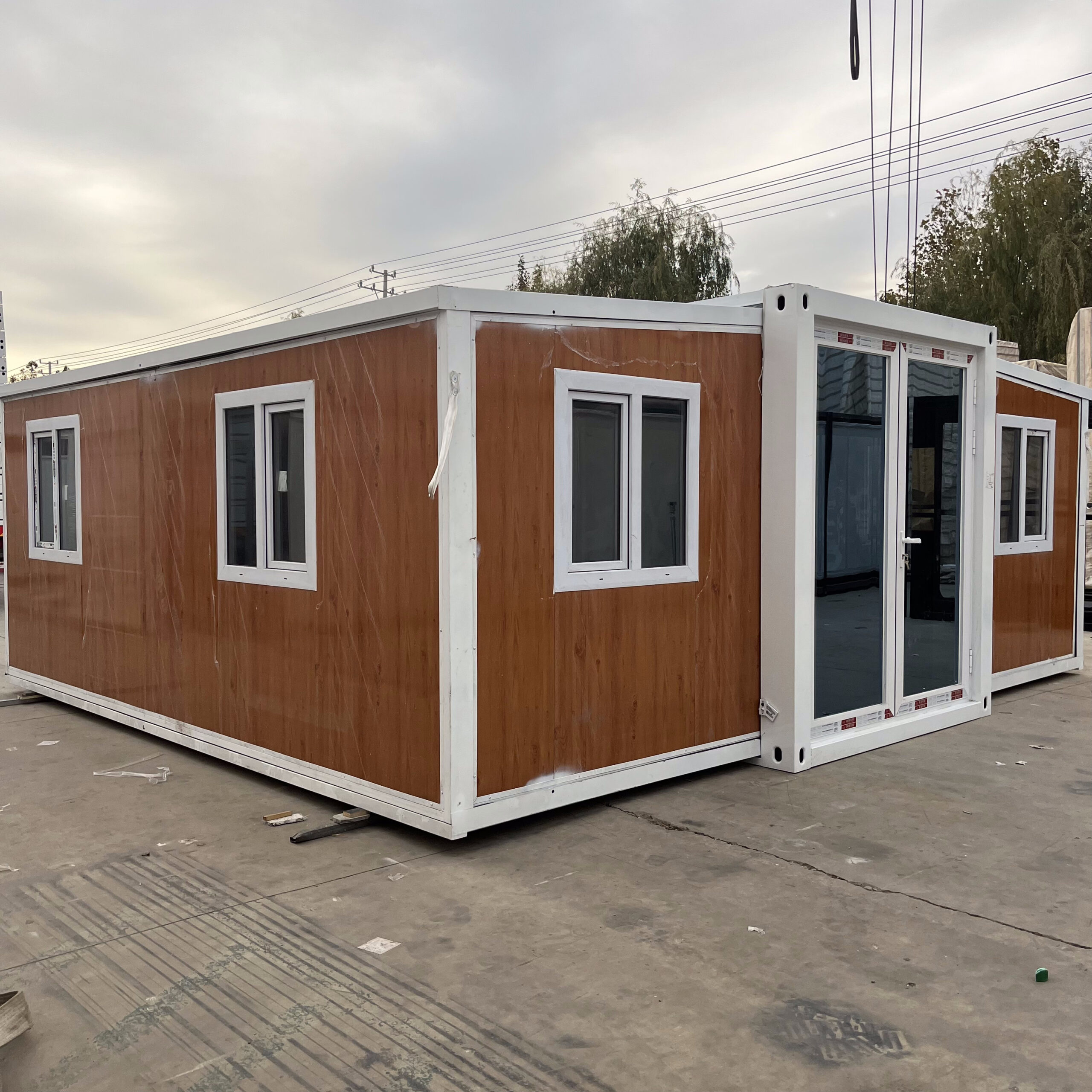
Figure 2: The mid-expansion phase reveals the ingenious wing mechanism in action.
Seamless Integration: Where Function Meets Form
One of the most impressive aspects is how the expanded sections integrate seamlessly with the core module. Specialized sealing systems and interlocking panels create weather-tight joints that prevent leaks and drafts while maintaining thermal efficiency. Interior finishes extend continuously across the expansion joints, eliminating visual breaks and creating a cohesive living space.
The engineering brilliance extends to the foundation requirements. Unlike traditional buildings that require extensive concrete footings, these units can utilize:
- Screw pile foundations for uneven terrain
- Concrete pads for permanent installations
- Adjustable steel jacks for temporary placements
This adaptability makes them perfect for Australia’s varied landscapes, from sandy beaches to rocky highlands.
Materials & Craftsmanship: Building for Australian Conditions
Australian environments demand construction materials that can withstand intense UV exposure, salt air, cyclonic winds, and temperature fluctuations. The 20-foot double-wing expansion rooms incorporate advanced materials science to meet these challenges head-on.
Structural Components: Beyond Ordinary Steel
The primary frame utilizes hot-dip galvanized steel – a process that coats the steel in a protective zinc layer, offering superior corrosion resistance compared to standard steel. For coastal applications in areas like Queensland’s Gold Coast or Western Australia’s Coral Coast, this is essential for longevity. Premium models feature carbon fiber composite elements that reduce weight while increasing tensile strength.
Insulation Systems: Climate Control Perfected
Australian temperatures can swing dramatically – from scorching summers to chilly winters in regions like Tasmania or the Snowy Mountains. The insulation system addresses this through:
- Polyurethane Foam: Injected into wall cavities, providing R-values exceeding traditional insulation by 40%.
- Rock Wool Panels: Used in fire-rated assemblies, offering both thermal insulation and sound dampening.
- Reflective Barriers: Installed in roof cavities to deflect solar radiation, reducing cooling costs by up to 35%.
This multi-layered approach ensures comfortable interiors year-round while minimizing energy consumption.
Exterior Finishes: Beauty Meets Resilience
The exterior isn’t just about aesthetics – it’s the first line of defense against Australia’s harsh elements. Options include:
- Wood-Grain Composites: Realistic timber appearance without maintenance hassles.
- Stone-Finish Panels: Durable and visually striking, perfect for upscale installations.
- Colorbond Steel: Australia’s iconic cladding material, available in 22 colors with 25-year warranties.
These finishes are applied using advanced coating technologies that resist fading, chipping, and corrosion even after decades of exposure.
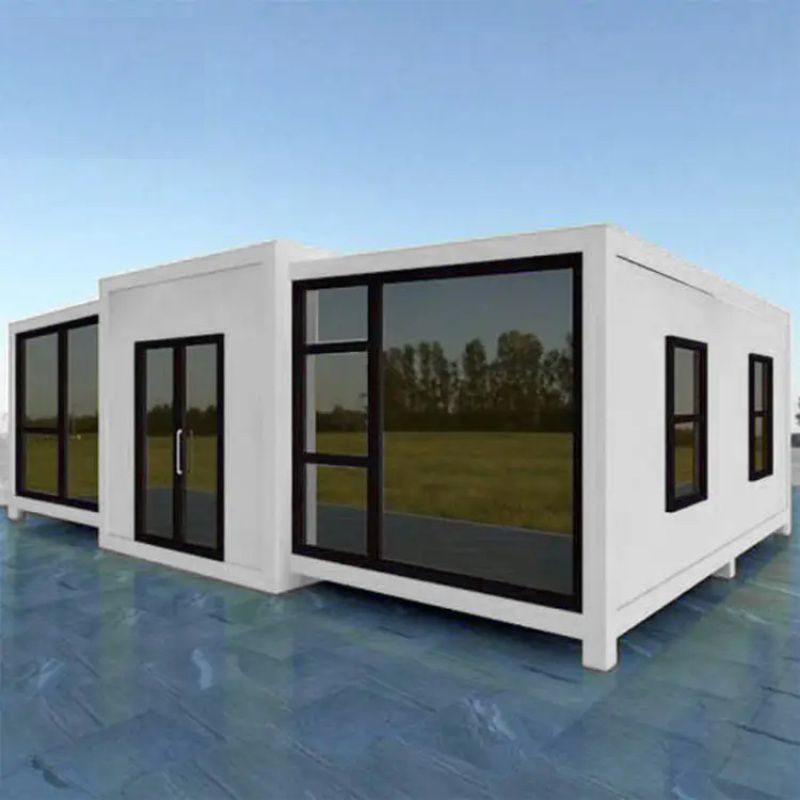
Figure 3: Premium exterior finishes combine aesthetic appeal with extreme weather resistance.
Windows & Doors: Bringing the Outdoors In
Large windows are a hallmark feature, connecting occupants with Australia’s stunning natural surroundings. These aren’t standard windows – they’re engineered marvels:
- Thermally Broken Aluminum Frames: Prevent heat transfer while offering slim sightlines.
- Double-Glazed Low-E Glass: Reflects heat while allowing natural light, reducing UV damage to interiors.
- Impact-Resistant Options: Available for cyclone-prone regions in Northern Australia.
Doors feature multi-point locking systems and threshold seals that maintain energy efficiency while providing security.
Interior Design: Luxury Living in a Mobile Package
Step inside a 20-foot double-wing expansion room, and you’ll be amazed by the spacious, thoughtfully designed interior. The expansion creates distinct living zones that feel more like a luxury apartment than a mobile home.
Layout Possibilities: Versatility Redefined
The open-concept design allows for numerous configurations:
- One-Bedroom Suite: Expands to include bedroom, living area, kitchenette, and bath.
- Studio Loft: Features elevated sleeping area with full living space below.
- Office/Workshop: Customizable for professional or creative pursuits.
The absence of interior support columns maximizes usable space, with layouts achieving over 90% efficiency – far superior to traditional construction.
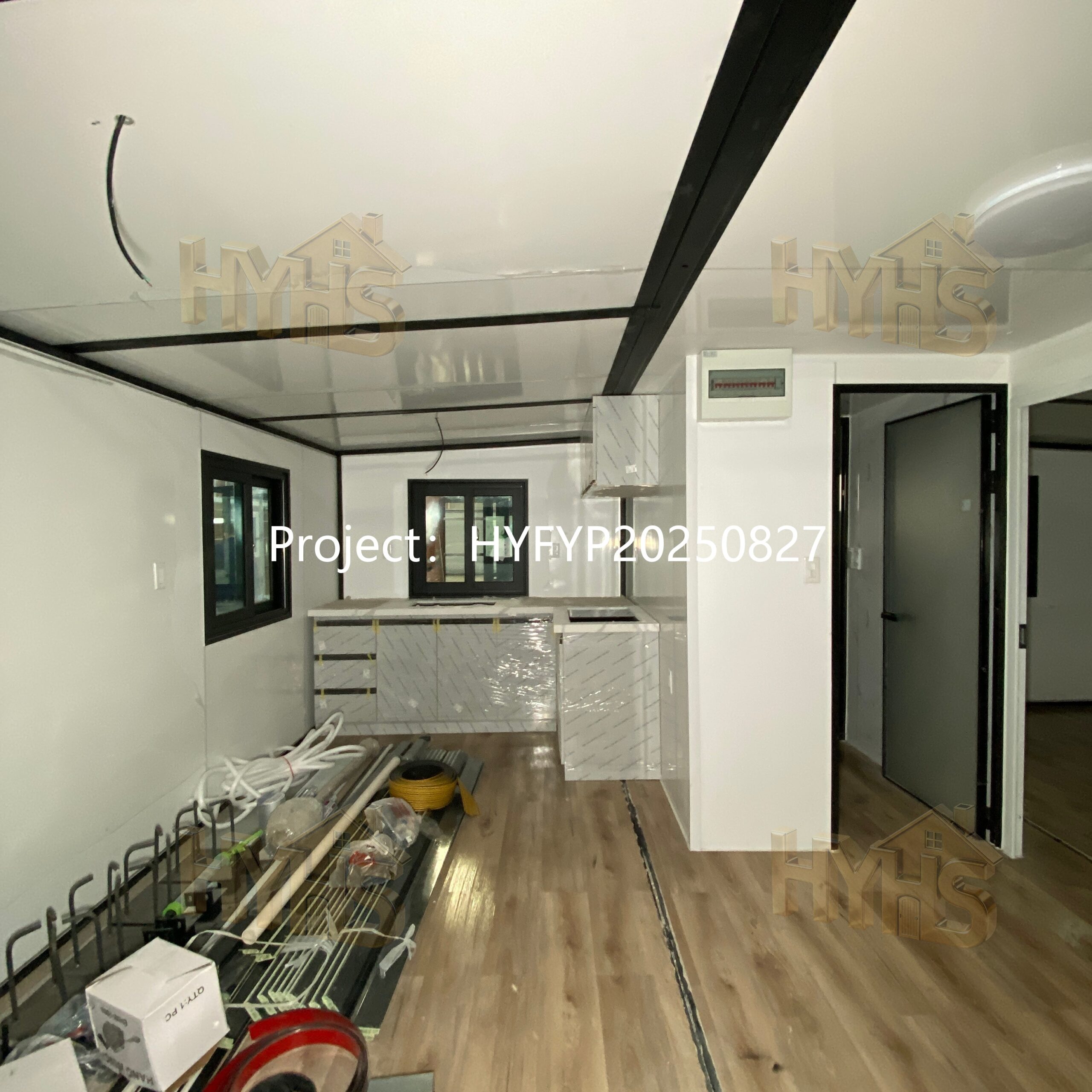
Figure 4: The expanded interior creates a surprisingly spacious living environment.
Kitchen & Bath: Full-Featured Amenities
Despite the compact footprint, the kitchen and bath deliver full functionality:
- Kitchen Features: Includes stone countertops, stainless steel appliances, ample storage, and optional induction cooktops.
- Bathroom Amenities: Offers full shower, vanity, water-saving fixtures, and premium finishes that rival permanent homes.
Plumbing systems are designed for easy winterization in colder Australian regions like Victoria or the Australian Alps.
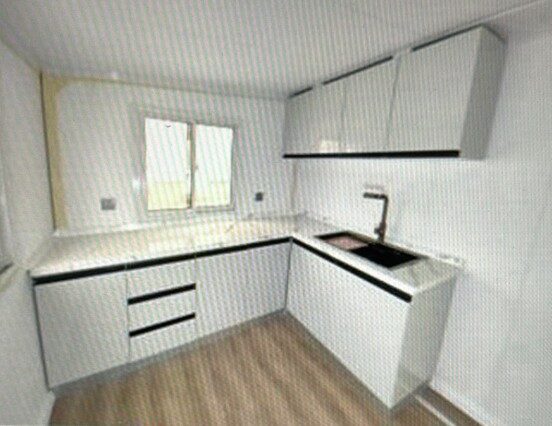
Figure 5: The kitchen combines style and functionality with premium materials and appliances.
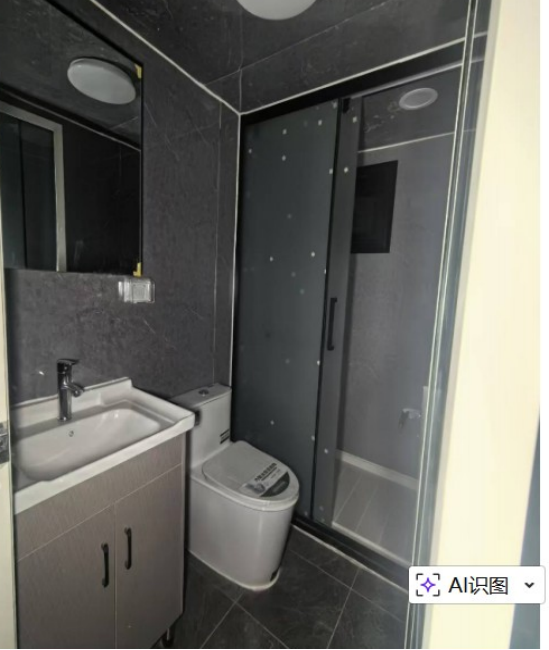
Figure 6: Spa-like bathroom features modern fixtures and water-efficient design.
Smart Home Integration: Technology at Your Fingertips
Modern living demands smart technology, and these units deliver:
- Climate Control: Programmable systems with remote access via smartphone apps.
- Lighting Automation: LED systems with customizable scenes and motion sensors.
- Security Monitoring: Integrated cameras and sensors for peace of mind.
All systems operate on low-voltage circuits, reducing energy consumption while providing cutting-edge convenience.
Key Advantages: Why Australians Are Choosing Double-Wing Expansion Rooms
The growing popularity of these structures across Australia stems from their unique combination of benefits that address contemporary housing challenges. Let’s examine the compelling advantages driving this trend.
Unmatched Speed: From Delivery to Living in Hours
Traditional construction in Australia faces delays from weather, labor shortages, and permitting processes. Double-wing expansion rooms circumvent these issues:
- Factory Completion: 95% of construction occurs in controlled environments.
- Site Preparation: Minimal foundation requirements reduce site work.
- Installation: Single units deploy in under 4 hours; complexes assemble in days.
This speed is invaluable for emergency housing after Australian bushfires or floods, as well as for businesses needing rapid commercial space deployment.
Financial Intelligence: Cost-Effective Without Compromise
The economic benefits are substantial:
- Reduced Construction Costs: 30-40% savings compared to traditional builds.
- Minimized Financing Periods: Faster occupancy reduces interest expenses.
- Depreciation Advantages: Potential tax benefits for investment properties.
For young Australians in cities like Perth or Adelaide struggling with housing affordability, this represents a viable path to property ownership.
Eco-Conscious Living: Sustainability Built-In
Environmental responsibility is integral to the design:
- Material Efficiency: 90% of components are recyclable or reusable.
- Energy Performance: Superior insulation reduces heating/cooling demands by 50%.
- Minimal Site Disturbance: Preserves natural landscapes during installation.
These features align perfectly with Australia’s growing environmental consciousness, particularly in eco-tourism regions like Tasmania or Kangaroo Island.
Adaptability: Changing Spaces as Needs Evolve
Life is dynamic, and housing should adapt accordingly:
- Reconfiguration Options: Interior walls can be repositioned as needs change.
- Expansion Potential: Additional modules can connect later for growing families.
- Relocation Capability: Entire structures can move to new locations.
This flexibility is ideal for Australians embracing remote work or those with evolving lifestyle requirements.
Durability: Built for Australian Extremes
These structures are engineered to last:
- Structural Longevity: 20-30 year lifespan with minimal maintenance.
- Weather Resistance: Withstands Category 5 cyclones common in Northern Australia.
- Pest Protection: Sealed construction prevents termite and rodent intrusion.
This durability provides peace of mind for owners in Australia’s challenging environments.
Diverse Applications: Beyond Traditional Housing
While residential use is prominent, the versatility of 20-foot double-wing expansion rooms extends to numerous sectors across Australia. Their adaptability makes them solutions for diverse challenges.
Tourism & Hospitality: Australia’s Next Generation of Accommodation
Australia’s tourism industry constantly seeks unique, sustainable lodging options. These expansion rooms deliver:
- Glamping Retreats: Luxury eco-accommodations in national parks like Kakadu or the Blue Mountains.
- Resort Expansion: Rapid deployment of additional guest rooms without major construction.
- Coastal Cabins: Hurricane-resistant structures for beachfront properties in Queensland.
Their aesthetic appeal and low environmental impact make them perfect for eco-sensitive tourism developments.
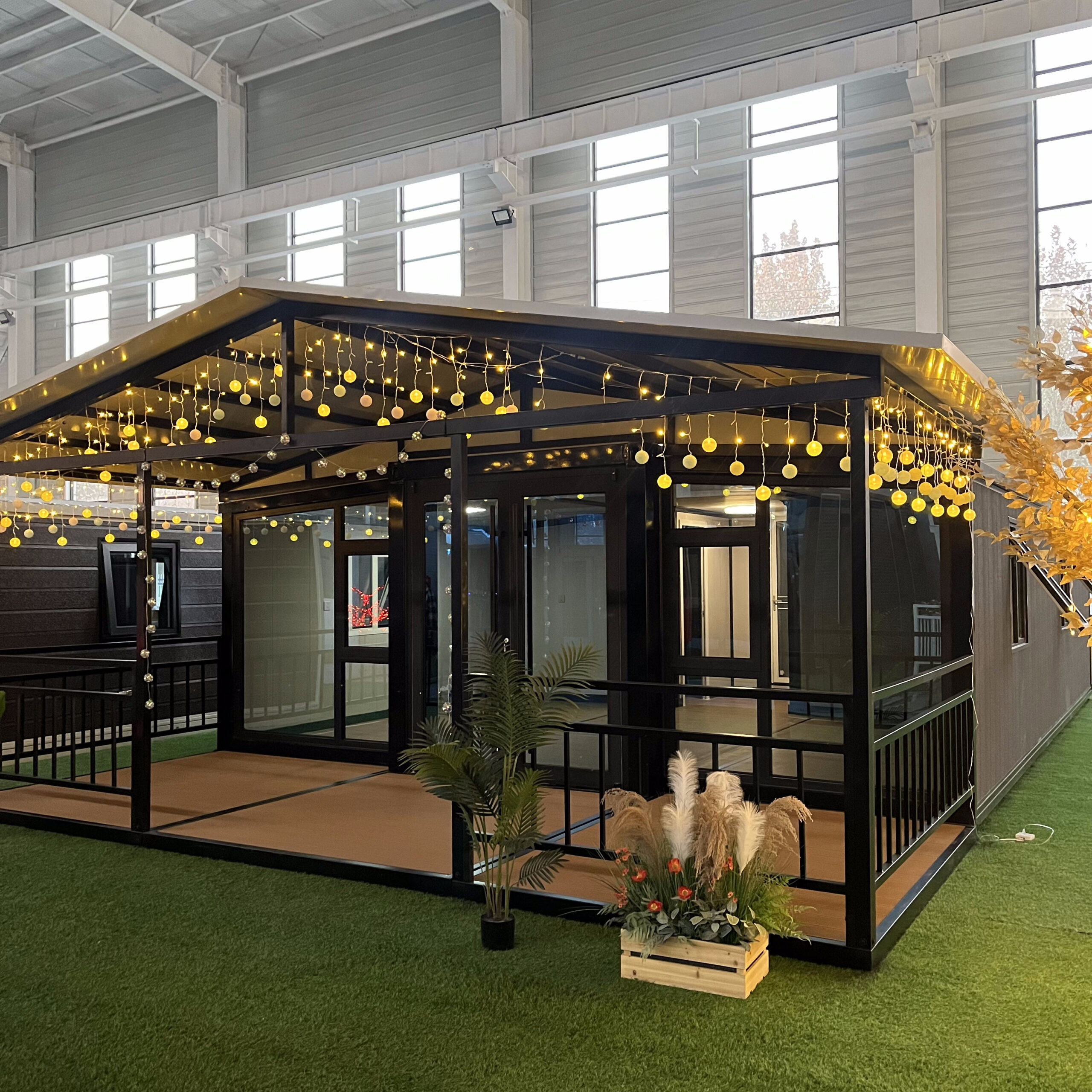
Figure 7: Custom-finished units create stunning eco-tourism accommodations.
Commercial & Retail: Pop-Up Possibilities
Australian businesses benefit from flexible commercial spaces:
- Pop-Up Shops: Temporary retail spaces during events or holiday seasons.
- Mobile Offices: Professional workspaces for remote project sites.
- Exhibition Pavilions: Customizable brand experiences at trade shows.
Their eye-catching designs attract customers while providing functional business environments.
Emergency & Humanitarian: Rapid Response Solutions
Australia’s susceptibility to natural disasters demands rapid housing solutions:
- Disaster Relief: Immediate shelter after bushfires or floods.
- Medical Facilities: Mobile clinics for remote communities.
- Worker Housing: Accommodations for reconstruction crews.
Their quick deployment and durability make them invaluable during crises.
Education & Community: Learning Spaces Reimagined
Educational institutions across Australia utilize these structures for:
- Classroom Expansion: Additional learning spaces during enrollment growth.
- Remote Schooling: Complete educational facilities in Outback communities.
- Community Centers: Multipurpose spaces for local activities.
Their adaptability supports evolving educational needs across diverse Australian communities.
Customization: Creating Your Perfect Australian Space
One of the most compelling aspects of these double-wing expansion rooms is their extensive customization potential. Australian owners can create spaces that reflect their unique lifestyles and preferences.
Exterior Customization: Making a Statement
The exterior can be tailored to complement any Australian setting:
- Color Schemes: From earthy Outback tones to vibrant coastal palettes.
- Architectural Styles: Modern minimalist, rustic Australian bush, or sleek contemporary.
- Decking & Landscaping: Integrated outdoor living spaces that extend the interior.
These options ensure each structure harmonizes with its surroundings while making a distinctive impression.
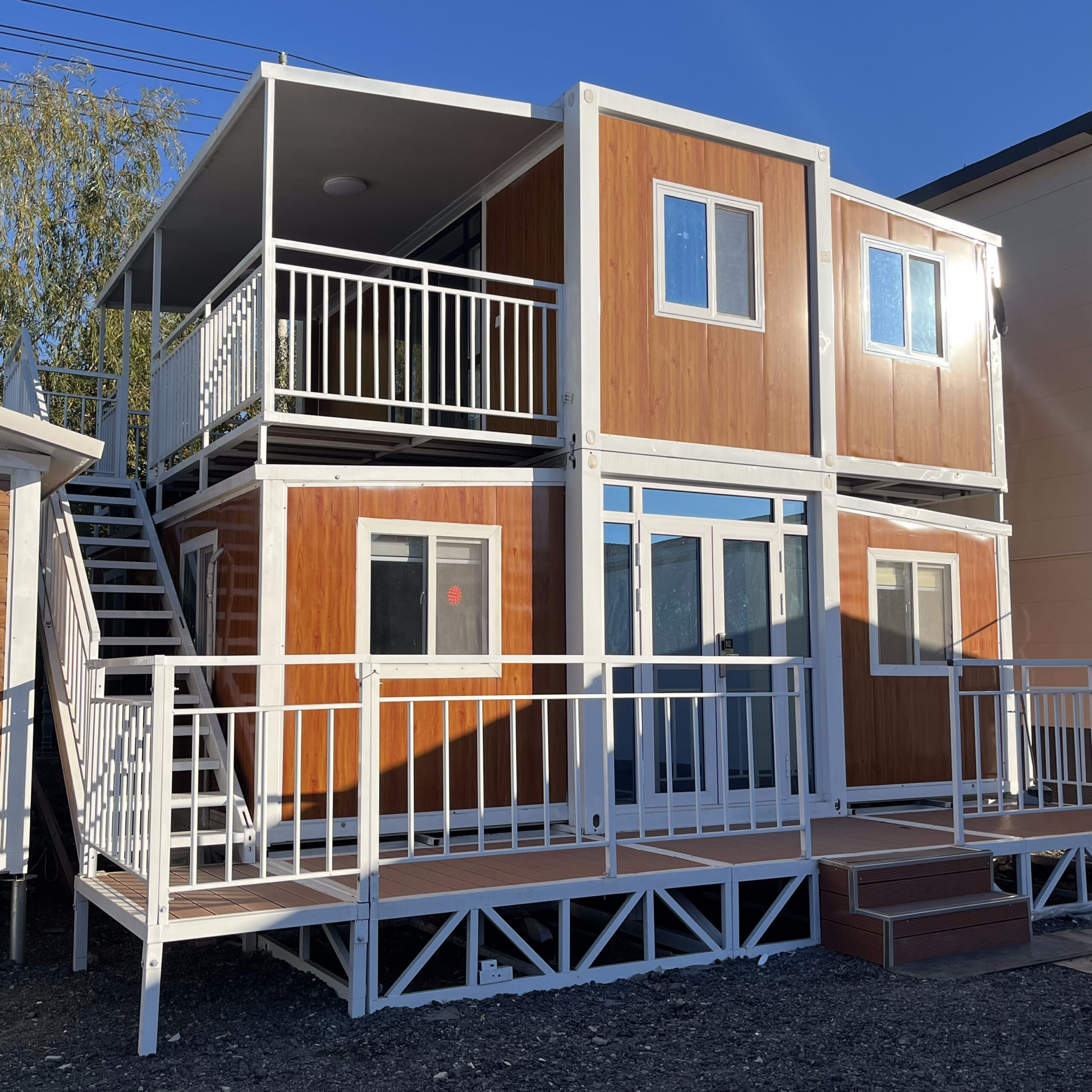
Figure 8: Custom exteriors can include features like glass facades for modern Australian aesthetics.
Interior Personalization: Your Space, Your Style
Interior customization possibilities are virtually limitless:
- Material Selection: From sustainable bamboo to premium hardwoods.
- Layout Adjustments: Open-concept living or partitioned spaces.
- Fixture & Finish Upgrades: Luxury appliances, smart home systems, premium flooring.
This level of personalization ensures each space perfectly matches its owner’s vision.
Specialized Configurations: Purpose-Built Solutions
Beyond standard residential layouts, specialized configurations include:
- Accessible Designs: Wheelchair-friendly layouts for mobility-impaired Australians.
- Artist Studios: Enhanced lighting and ventilation for creative work.
- Home Offices: Integrated technology and ergonomic designs.
These purpose-built solutions address specific needs across diverse Australian lifestyles.
Considerations for Australian Buyers
While the advantages are compelling, prospective Australian buyers should consider several factors before investing in a double-wing expansion room.
Regulatory Compliance: Navigating Australian Building Codes
Building regulations vary across Australian states and territories:
- Local Council Approvals: Requirements differ between urban and rural areas.
- Classification Standards: Structures may be classified as caravans, transportable buildings, or permanent dwellings.
- Zoning Restrictions: Some areas have limitations on temporary or secondary dwellings.
Consulting with local authorities and experienced suppliers is essential for compliance.
Site Preparation: Creating the Right Foundation
Proper site preparation ensures longevity and performance:
- Ground Assessment: Soil stability and drainage considerations.
- Utility Access: Proximity to water, electricity, and sewage systems.
- Access Logistics: Delivery route clearance for large transport vehicles.
Professional site evaluation prevents costly issues after installation.
Long-Term Investment Perspective
Consider these factors for maximum return on investment:
- Depreciation vs. Appreciation: Mobile structures may depreciate differently than traditional real estate.
- Resale Market: Growing demand increases potential resale value.
- Upgrading Potential: Future expansion or modernization options.
These structures represent innovative housing solutions with strong investment potential in Australia’s evolving property market.
Supplier Selection: Quality Matters
Choosing the right Australian supplier is crucial:
- Local