
摘要: Discover the innovative 2 floor container house revolutionizing modular living in Canada. Explore the customizable double-wing expandable design, rapid deployment capabilities, and versatile applications – from luxury Canadian wilderness retreats to urban commercial spaces.
In the evolving landscape of sustainable architecture, Canada stands at the forefront of modular innovation with the groundbreaking 20-foot customized double-wing expansion container house. This engineering marvel redefines portable living spaces, offering a unique blend of rapid deployment, luxurious customization, and environmental adaptability that perfectly suits Canada’s diverse terrains – from the Rocky Mountains of Alberta to the coastal forests of British Columbia.
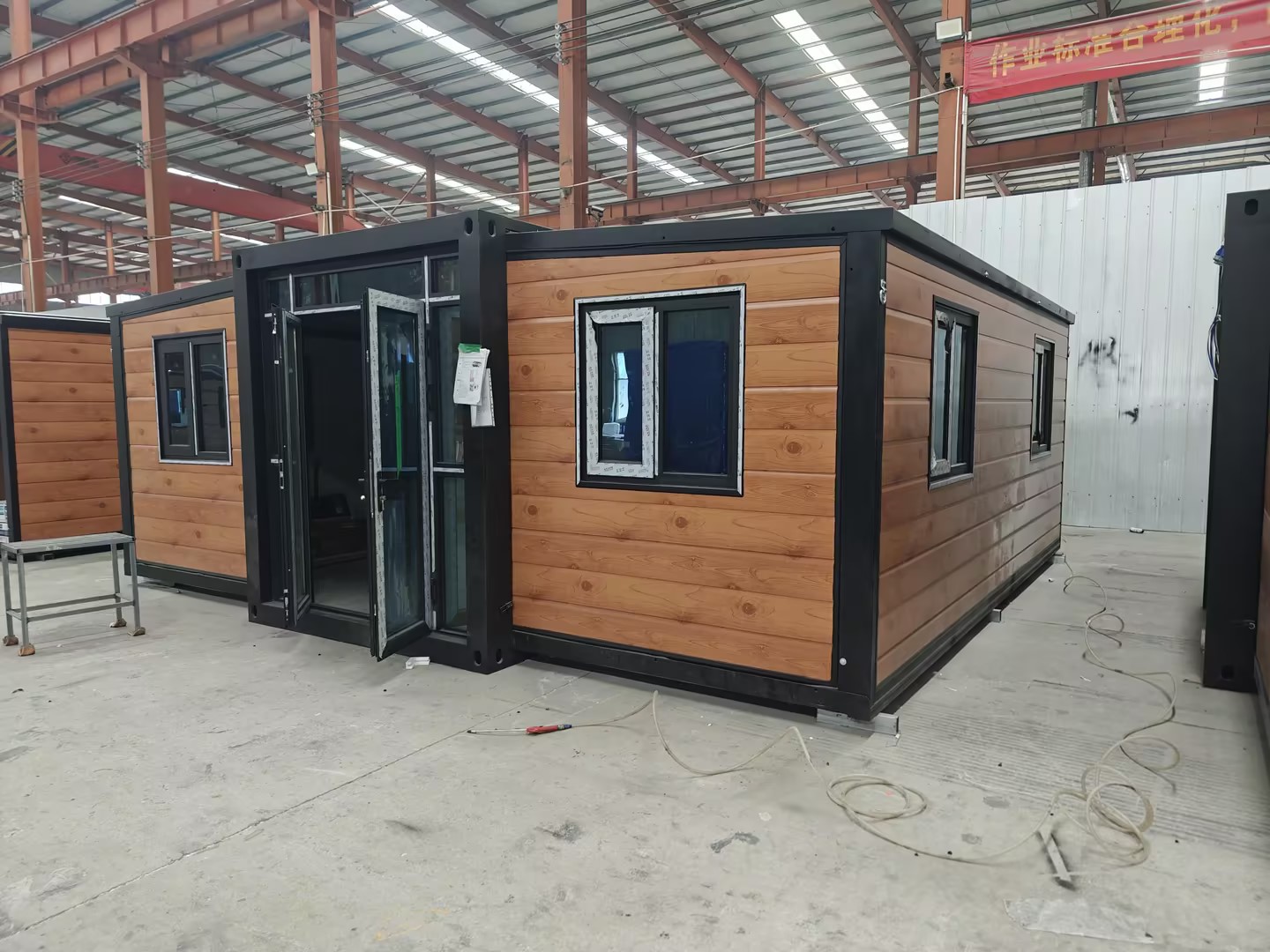
The Ingenious Double-Wing Design: Engineering Meets Elegance
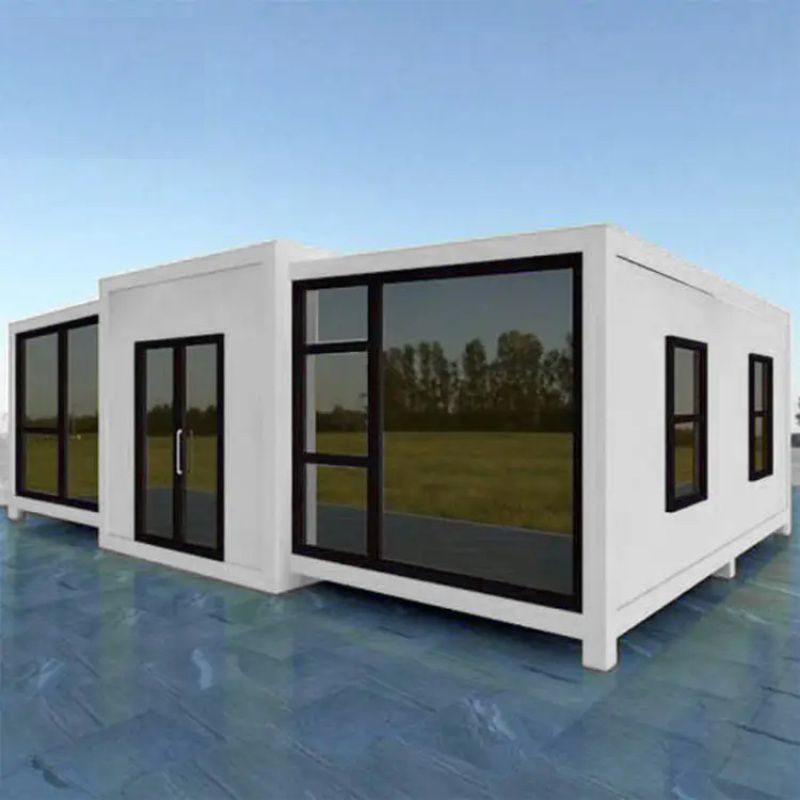
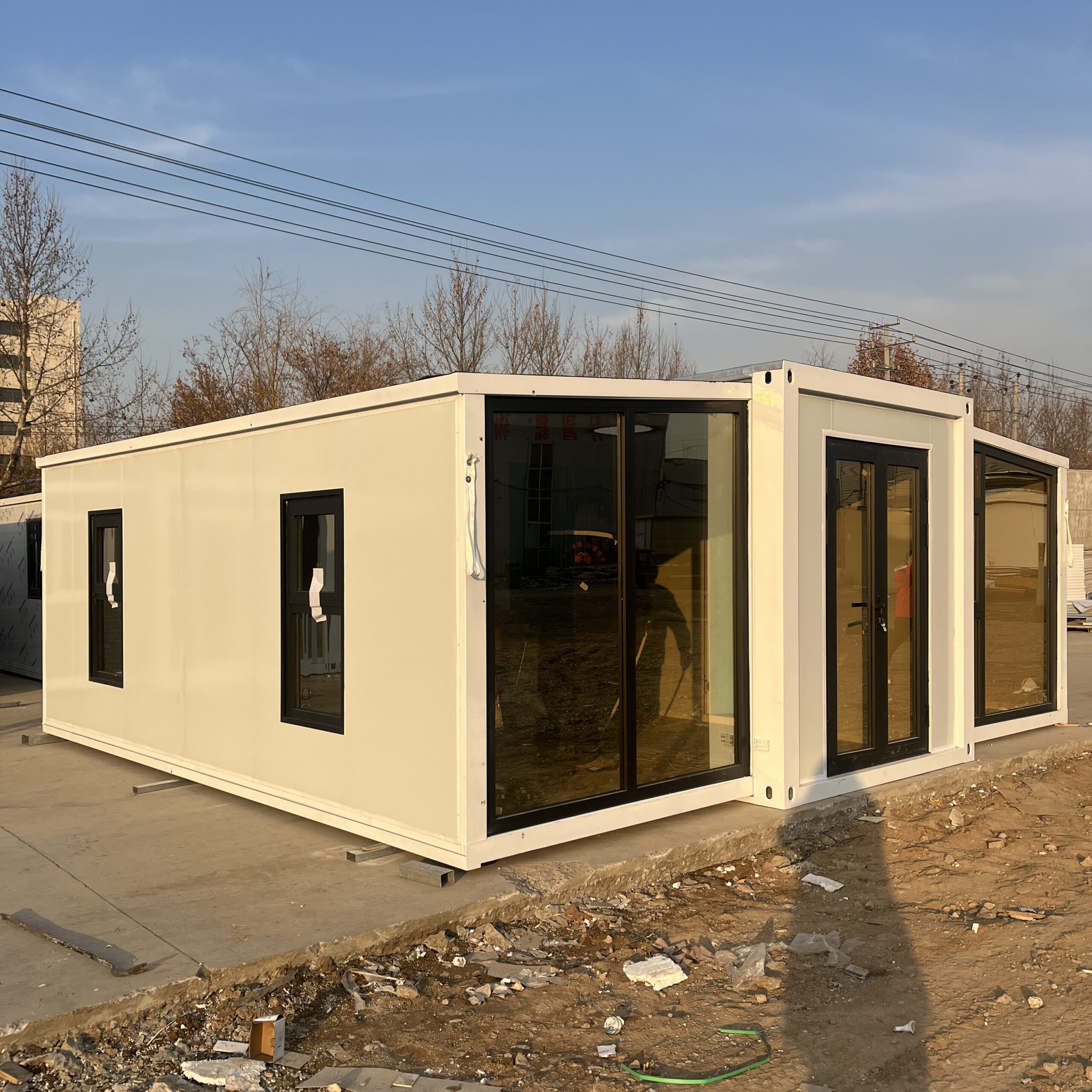
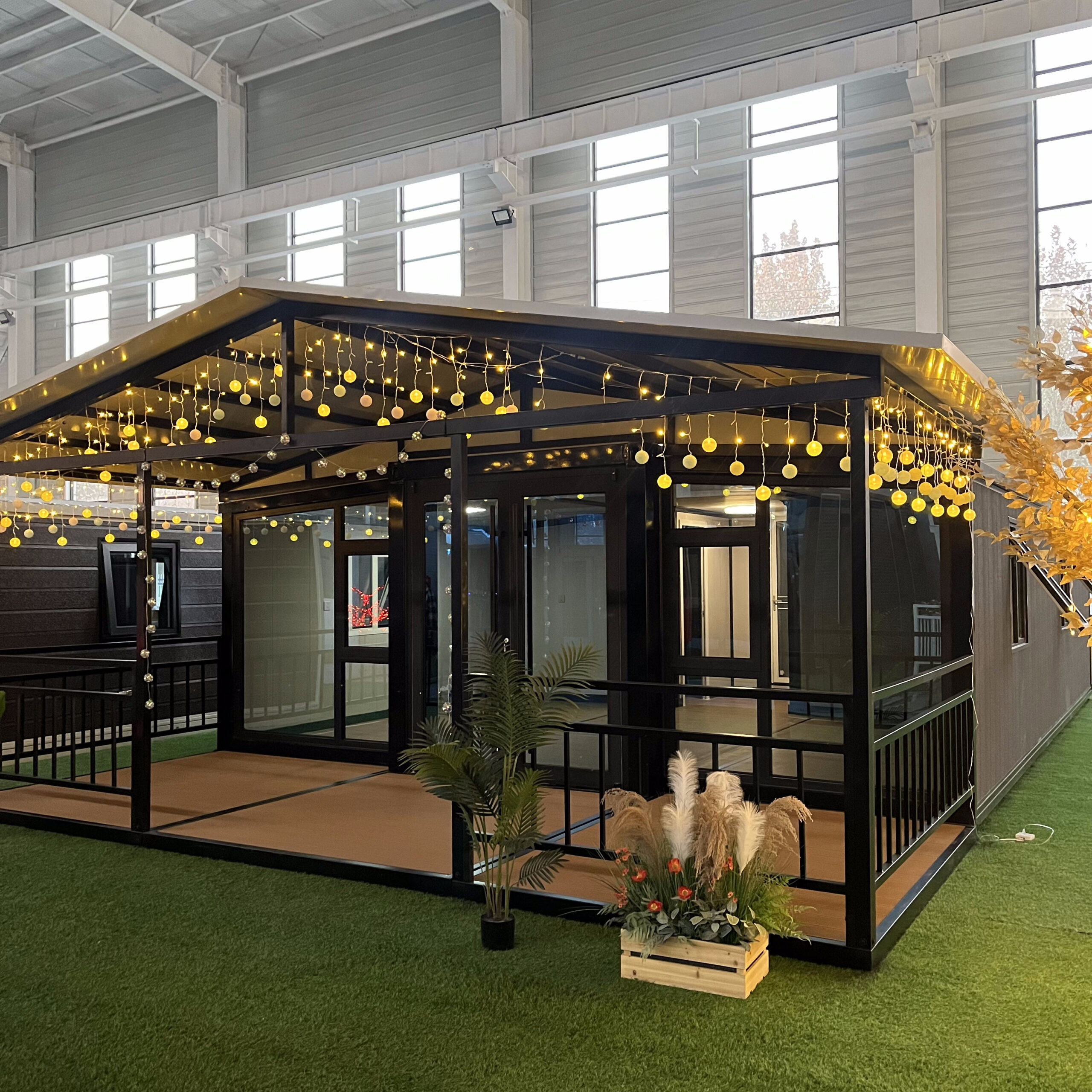
At first glance, this appears to be a standard 20-foot shipping container – but that’s where the magic begins. The proprietary double-wing mechanism transforms this compact unit into a spacious 2-floor container house in minutes. When folded for transport, it maintains standard container dimensions (W2200L5900H2480mm), compliant with road transport regulations across Canada. Upon deployment, the “wings” extend outward, expanding the living area by an incredible 70-80%, creating a footprint of W6340L5900H2480mm.
“Watching the expansion process feels like witnessing architectural origami in motion,” says Jason Tremblay, a Montreal-based architect who recently specified these units for a Banff eco-resort. “The seamless transition from transport size to full habitation space solves so many logistical challenges in remote Canadian locations.”
Your browser does not support the video tag.
Structural Brilliance: Built for Canadian Extremes
The framework utilizes hot-dip galvanized steel or carbon fiber composites, delivering exceptional durability against Canada’s harsh weather conditions. The corrosion-resistant treatment ensures longevity even in coastal regions like Nova Scotia or the salty winters of Saskatchewan. Engineered to withstand seismic activity up to magnitude 8 and winds up to 130km/h, these structures provide peace of mind from Vancouver Island’s stormy coasts to the Arctic tundra of Nunavut.
Thermal Efficiency: Beating the Canadian Climate
Insulation is paramount in Canadian construction, and this container house excels with high-performance polyurethane or rock wool panels. The integrated thermal barrier reduces heating costs by up to 40% compared to traditional structures – a game-changer for off-grid properties in Yukon or seasonal cottages in Muskoka. The double-glazed Low-E aluminum windows further enhance energy efficiency while framing breathtaking views of Canada’s natural landscapes.
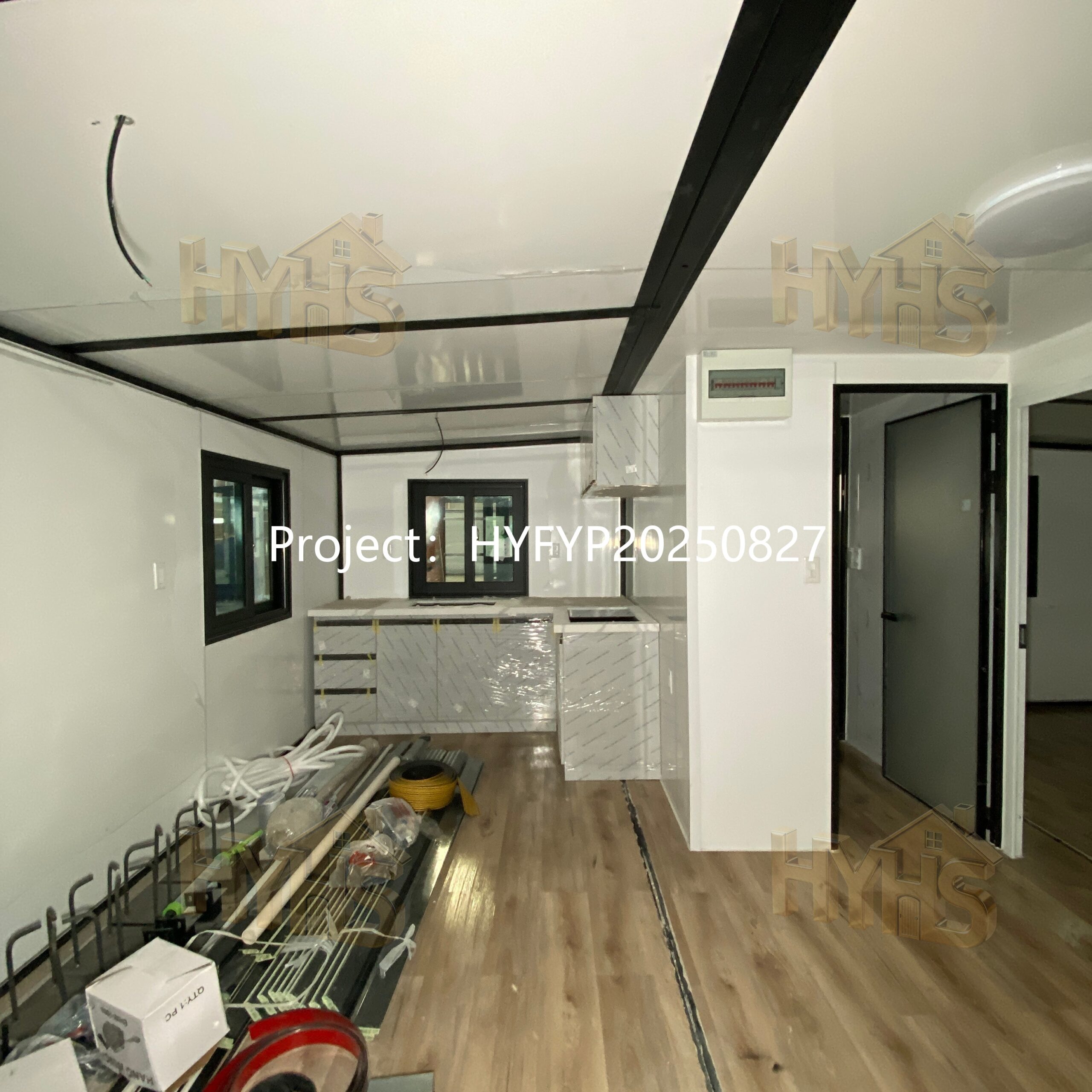
Unmatched Customization: Your Canadian Dream, Realized
One size never fits all in Canada’s diverse architectural landscape, and this container house embraces that philosophy. The modular design allows for near-limitless personalization:
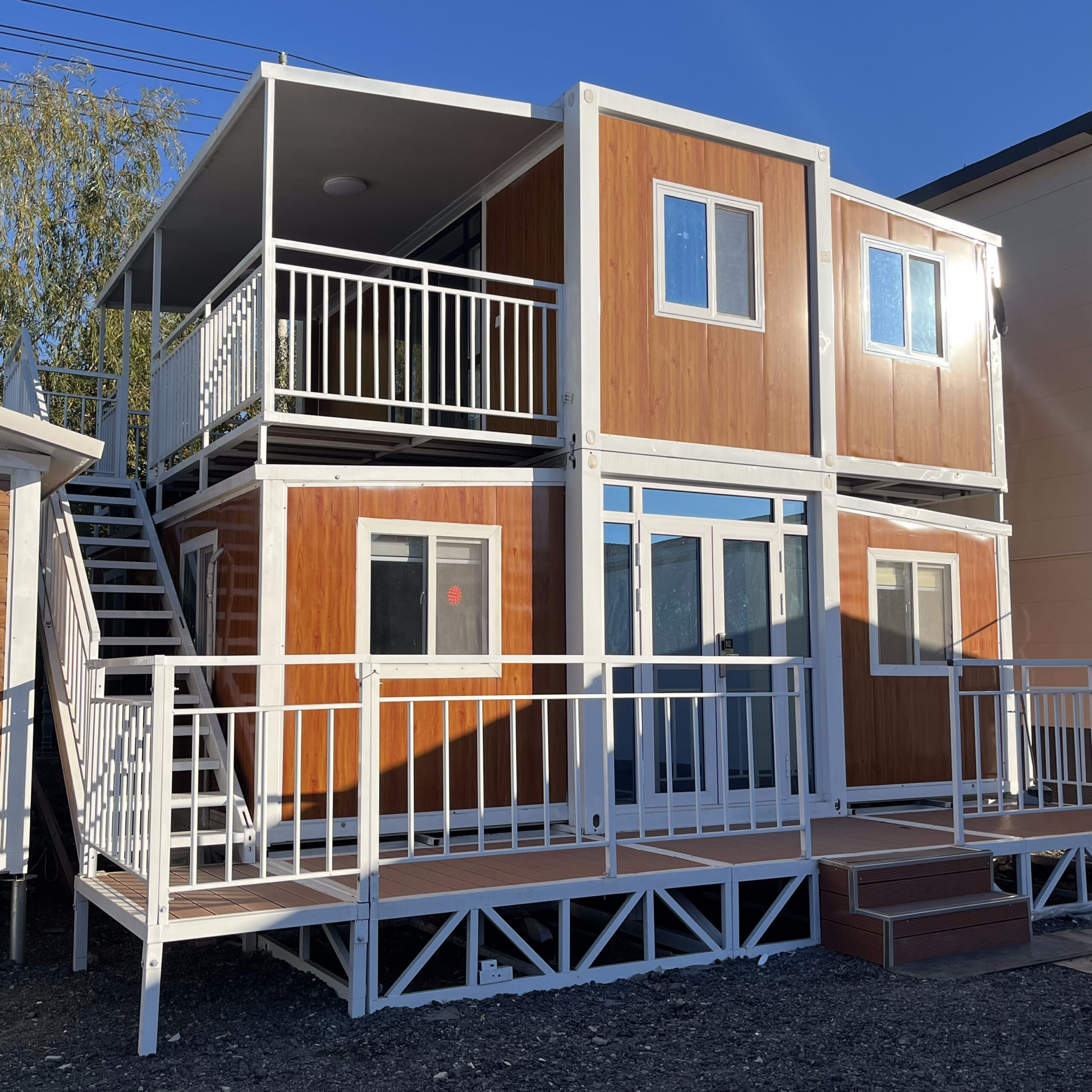
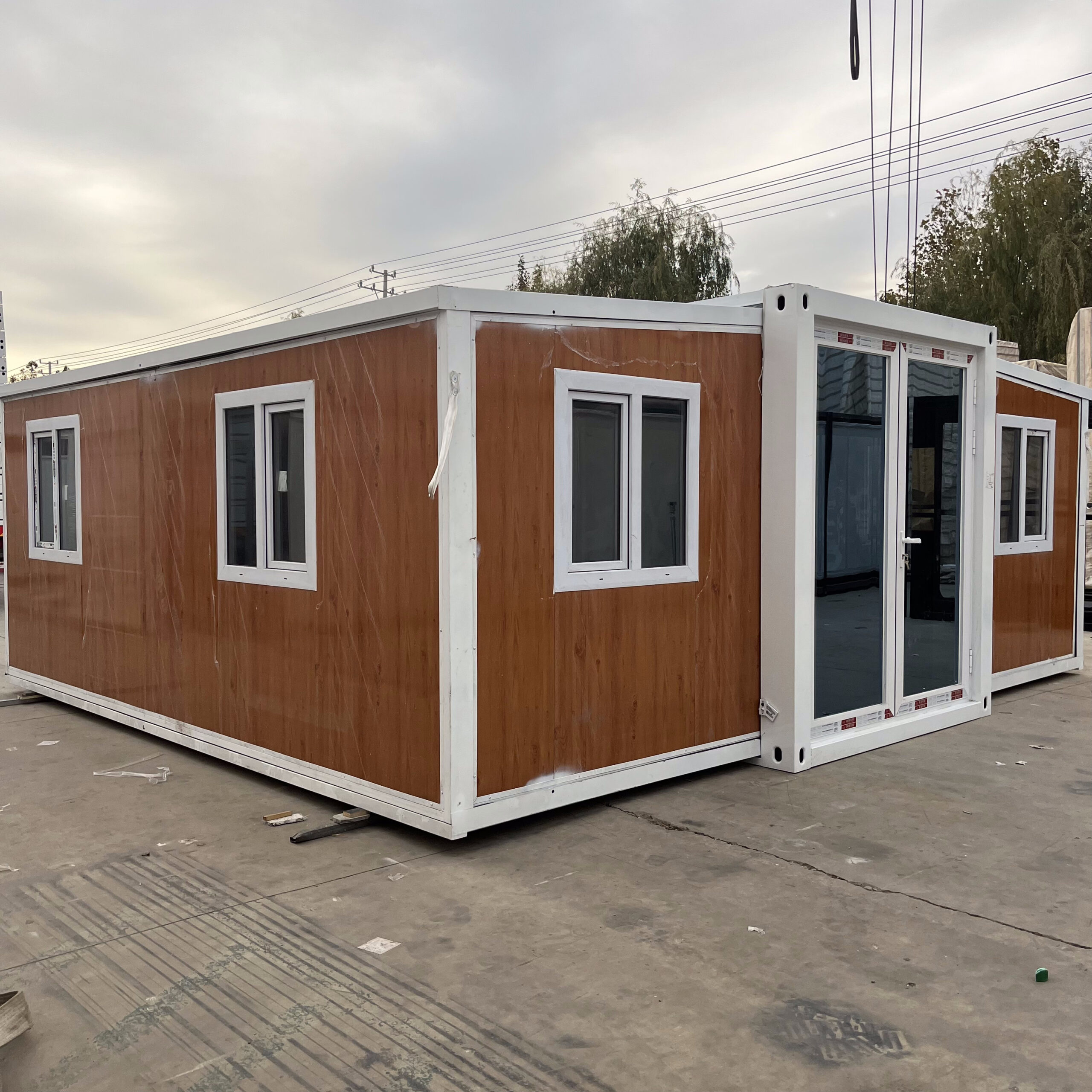
- Exterior Finishes: Choose from wood-grain siding for rustic Quebec chalets, sleek white panels for Toronto urban lofts, or stone-textured finishes for Calgary mountain retreats
- Interior Layouts: Open-concept studios, loft bedrooms, or even two-bedroom configurations
- Smart Home Integration: Pre-wired for Canadian smart home systems with remote climate control
- Accessibility Options: ADA-compliant designs with ramps and wider doorways
“We customized our unit to mirror the aesthetic of traditional Ontario farmhouses while incorporating modern efficiencies,” shares Sarah Chen, who installed one as a guest suite near Niagara Falls. “The flexibility meant we could maintain architectural harmony with our 1890s heritage property while adding cutting-edge functionality.”
Kitchen & Bath: Canadian Comforts in Compact Spaces
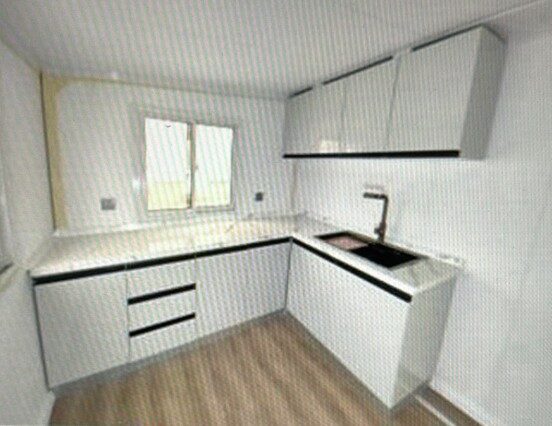
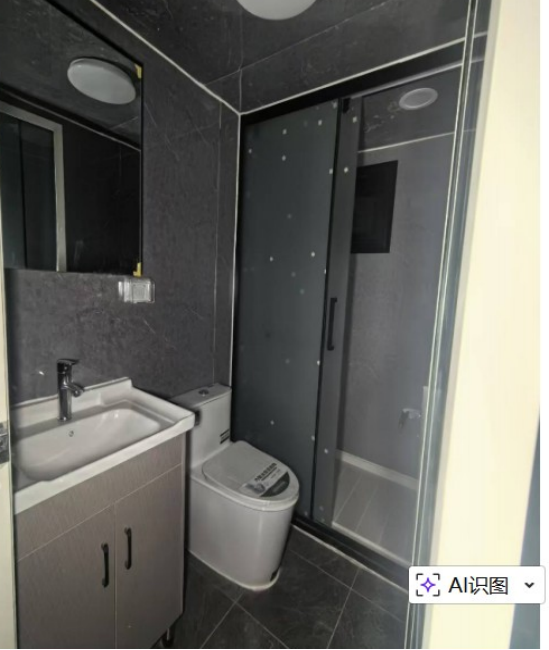
The factory-installed kitchen and bathroom modules defy spatial constraints with intelligent design. Full-sized appliances, quartz countertops, and premium fixtures create residential comfort that would feel at home in Vancouver’s Kitsilano or Halifax’s historic waterfront.
Canadian Applications: From Urban to Wilderness
1. Remote Wilderness Retreats
Imagine waking up to Lake Louise’s turquoise waters or the Northern Lights in Churchill. These container houses enable comfortable habitation in previously inaccessible Canadian wilderness areas. Their minimal site requirements make them perfect for:
- Off-grid hunting lodges in Northern Ontario
- Fly-in fishing camps in British Columbia’s interior
- Research stations in the Arctic
2. Urban Commercial Spaces
Canadian entrepreneurs are leveraging these units for innovative urban applications:
- Toronto pop-up retail spaces during TIFF
- Montreal food courts at festivals like Just for Laughs
- Vancouver micro-offices in the downtown tech corridor
3. Emergency Response Solutions
Canada’s vast geography and extreme weather events demand rapid response solutions. These units have been deployed:
- As flood relief housing in Manitoba
- Wildfire firefighter bases in Alberta
- Medical clinics in Indigenous communities
4. Luxury Glamping Accommodations
Canada’s tourism sector has embraced these structures for high-end glamping:
- Wine country suites in Niagara-on-the-Lake
- Mountain-view pods in Banff National Park
- Coastal cabins in Newfoundland’s Gros Morne
Deployment Efficiency: The Canadian Advantage
Traditional construction in Canada faces challenges from short building seasons to remote locations. This container house disrupts those paradigms:
Rapid Installation Timeline
Factory pre-completion of 85% of construction means on-site deployment takes hours, not months. A typical Canadian project timeline:
- Day 1: Unit delivery via standard flatbed truck
- Day 1: Expansion and anchoring (2-4 hours)
- Day 1: Utility connections
- Day 2: Ready for occupancy
This efficiency proved invaluable during the 2023 Calgary Stampley expansion, where 20 units were installed as temporary hospitality suites in just three days – a feat impossible with conventional construction.
Minimal Site Impact
Canada’s environmental regulations demand sensitive development approaches. These structures:
- Require only minimal concrete piers or helical piles
- Leave no permanent foundation
- Can be relocated without ecological damage
“For our eco-tourism project in Algonquin Park, the low site impact was non-negotiable,” explains environmental consultant Dr. Rebecca Moss. “These units allowed us to offer luxury accommodations while preserving the delicate Ontario wilderness ecosystem.”
Economic Wisdom: Smart Canadian Investment
Cost Efficiency Analysis
Compared to traditional Canadian construction methods:
| Cost Factor | Traditional Build | Container House |
|---|---|---|
| Construction Time | 6-12 months | 1-3 days |
| Labor Costs | $120-200/sq ft | $80-120/sq ft |
| Permitting Fees | $5,000-15,000 | $1,000-3,000 |
| Foundation | $20,000-50,000 | $2,000-8,000 |
Resale & Relocation Value
Unlike permanent structures, these container houses maintain 60-70% of their value after years of use and can be relocated to new Canadian properties. This mobility proved essential for Alberta oil field operations where work camps frequently relocate.
Sustainability: Canada’s Green Building Solution
With Canada’s commitment to reducing carbon emissions, these structures align perfectly with national sustainability goals:
Environmental Credentials
- 90% recyclable steel framework
- Formaldehyde-free composite materials
- 40% lower embodied carbon than concrete construction
- Solar-ready designs for off-grid Canadian properties
Energy Performance
Third-party testing shows R-28 wall insulation values exceeding Canadian Building Code requirements by 35%. The integrated air barrier system reduces heat loss to less than 1.5 air changes per hour at 50 Pascals – outperforming many conventionally built Canadian homes.
Canadian Compliance & Regulations
National Building Code Alignment
Engineered to meet or exceed all Canadian building standards:
- NBC Part 9 (Housing and Small Buildings)
- CSA A277 (Manufactured Homes)
- Provincial variations for Ontario, BC, Quebec, and Alberta
Mobility Regulations
Transport Canada compliant with:
- Width restrictions when folded
- Securement requirements during transit
- Inter-provincial movement permits
Real Canadian Case Studies
Case 1: Banff Eco-Lodge Expansion
Location: Banff National Park, Alberta
Application: Luxury guest suites
Challenge: Strict environmental regulations in UNESCO World Heritage site
Solution: Six custom units installed with minimal site disturbance
Outcome: 40% increase in occupancy rates during winter season
Case 2: Toronto Micro-Community
Location: Port Lands area, Toronto
Application: Affordable housing pilot
Challenge: Rapidly address housing shortage
Solution: 12-unit modular village installed in 14 days
Outcome: Housing for 24 residents with integrated community spaces
Case 3: Vancouver Film Production Base
Location: Burnaby, BC
Application: Mobile production offices
Challenge: Frequent location changes during filming
Solution: Custom units with integrated power and AV systems
Outcome: 60% reduction in location setup time
Future-Proofing Canadian Living
As Canada grapples with housing affordability, climate adaptation, and remote work trends, these container houses present a forward-thinking solution. Their adaptability makes them ideal for:
Multi-Generational Canadian Properties
Adding accessible living spaces for aging parents or young adults without permanent construction – perfect for properties in suburban Canadian communities like Oakville or Westmount.
Disaster Resilience
With increasing climate-related events across Canada, these structures offer rapid-response housing that can withstand extreme conditions seen in BC wildfires or Atlantic hurricanes.
Tourism Evolution
Post-pandemic travel trends favor unique accommodations. These units enable Canadian entrepreneurs to create distinctive lodging experiences from PEI’s red shores to the Yukon’s midnight sun.
Getting Started in Canada
Choosing Your Canadian Supplier
When selecting a provider for your Canadian project:
- Verify NBC compliance certification
- Request cold-climate performance data
- Check references in your specific Canadian region
- Confirm after-sales support across Canadian provinces
Financing Options
Canadian financial institutions increasingly recognize these structures as legitimate assets:
- CMHC-insured mortgages for permanent installations
- Equipment leasing for temporary commercial applications
- Green building grants for sustainable projects
Conclusion: Canada’s Modular Living Revolution
The 20-foot customized double-wing expansion container house represents more than architectural innovation – it’s a practical solution to many of Canada’s contemporary challenges. From solving housing crises in Toronto to creating sustainable tourism in the Rockies, these versatile structures demonstrate how modular construction can harmonize with Canada’s values of efficiency, environmental stewardship, and adaptability.
As Canadian property owners, developers, and entrepreneurs seek smarter ways to build, these container houses offer a compelling blend of speed, sustainability, and style. Whether nestled in a Nova Scotia cove, gracing a Calgary skyline, or providing shelter in Canada’s far north, they represent a new chapter in Canadian living – one where innovation meets tradition in perfect harmony.
The future of Canadian architecture isn’t just about what we build, but how intelligently we build it. The double-wing expansion container house isn’t just a structure; it’s a testament to Canadian ingenuity in the face of evolving needs and environments.