
摘要: Explore the container house cost per square foot with our detailed analysis of Australia’s innovative 40-foot customized double-wing expansion room. Discover how this modular solution balances affordability, functionality, and rapid deployment for residential and commercial applications.
When evaluating container house cost per square foot, Australia’s modular construction industry offers a game-changing solution: the 40-foot customized double-wing expansion room. This innovative design transforms shipping containers into spacious, adaptable living or working spaces while maintaining remarkable cost efficiency. In this comprehensive guide, we’ll dissect the pricing structure, features, and value proposition of this cutting-edge modular building system that’s reshaping affordable housing across Australia from Sydney to Perth.
Understanding Container House Economics in Australia
Container housing has gained significant traction in Australia due to its sustainability, speed of construction, and cost-effectiveness. Traditional brick-and-mortar homes in cities like Melbourne or Brisbane can cost AUD 1,500-3,000 per square meter, making alternative building methods increasingly attractive. The 40-foot double-wing expansion room disrupts this paradigm by offering expanded living space at a fraction of conventional construction costs.
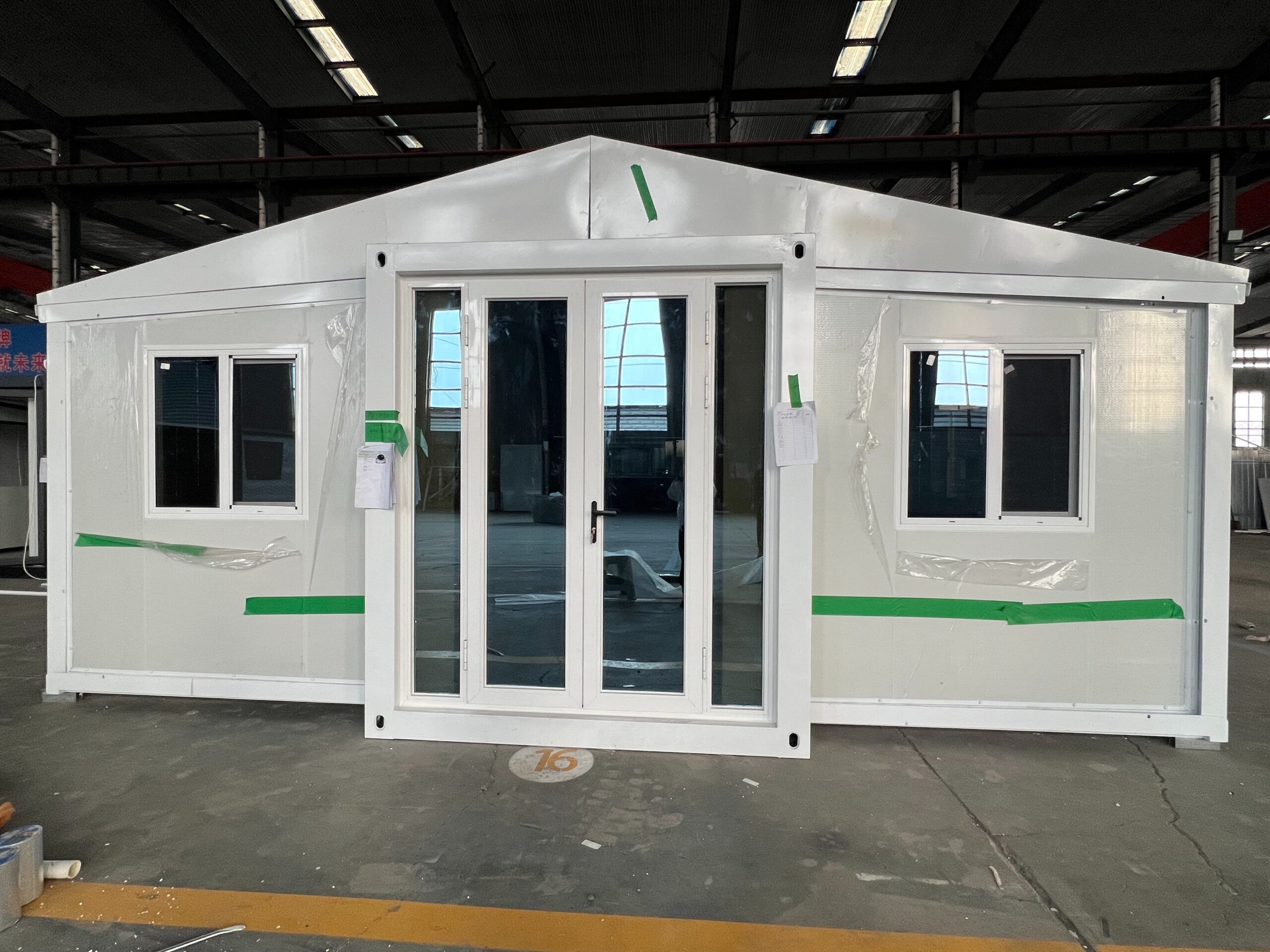
What makes this particular design stand out is its transformative nature. When folded for transport, it maintains standard container dimensions, but once deployed, its wings expand to create nearly double the usable floor area. This space efficiency directly impacts the container house cost per square foot, making it one of the most economical modular solutions available in the Australian market today.
The 40-Foot Double-Wing Expansion Room: A Closer Look
At first glance, the double-wing expansion room appears as a standard shipping container, but its hidden engineering brilliance unfolds during deployment. This modular wonder represents the pinnacle of space-efficient design, offering unparalleled flexibility for various applications across Australia’s diverse landscapes.
Design Philosophy and Structural Innovation
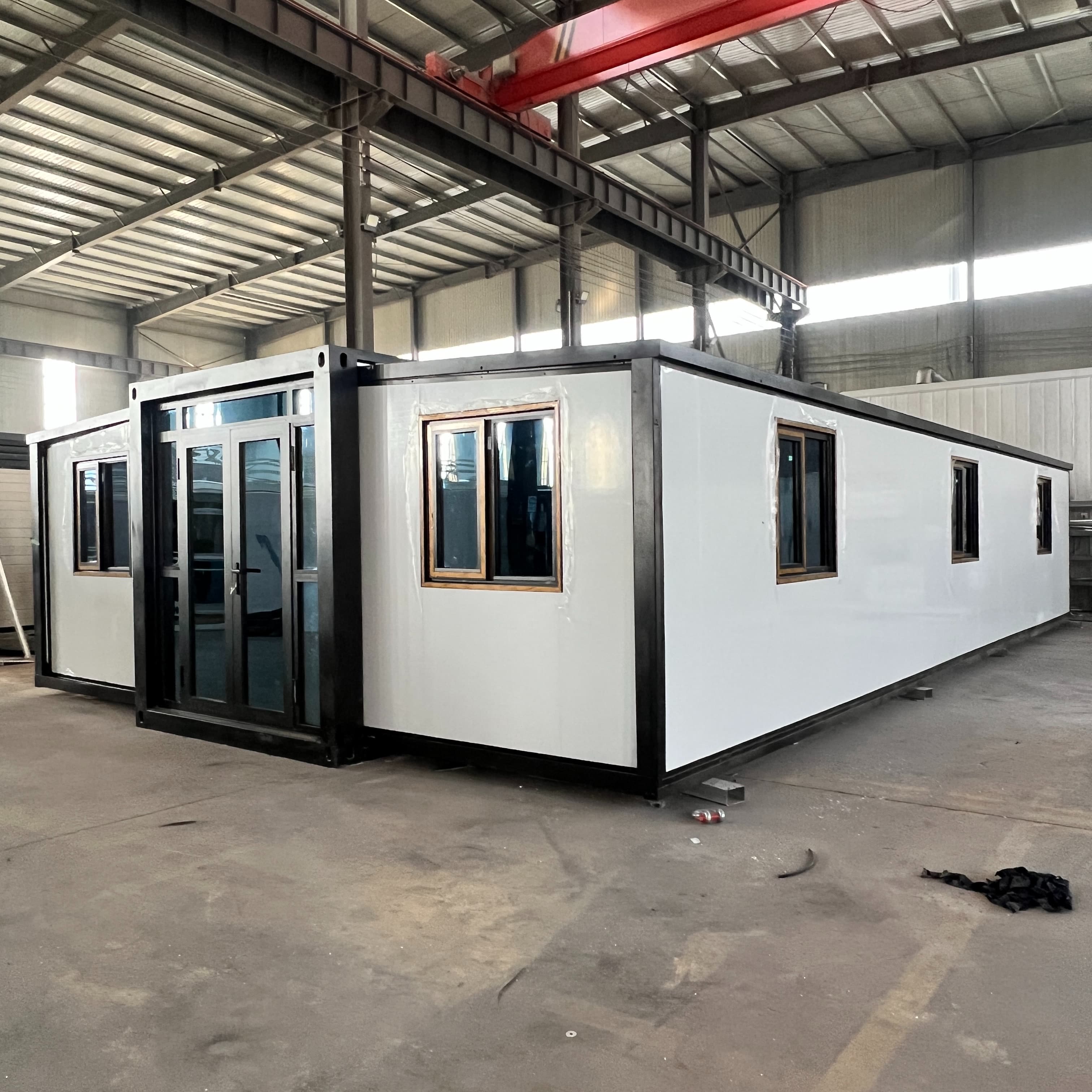
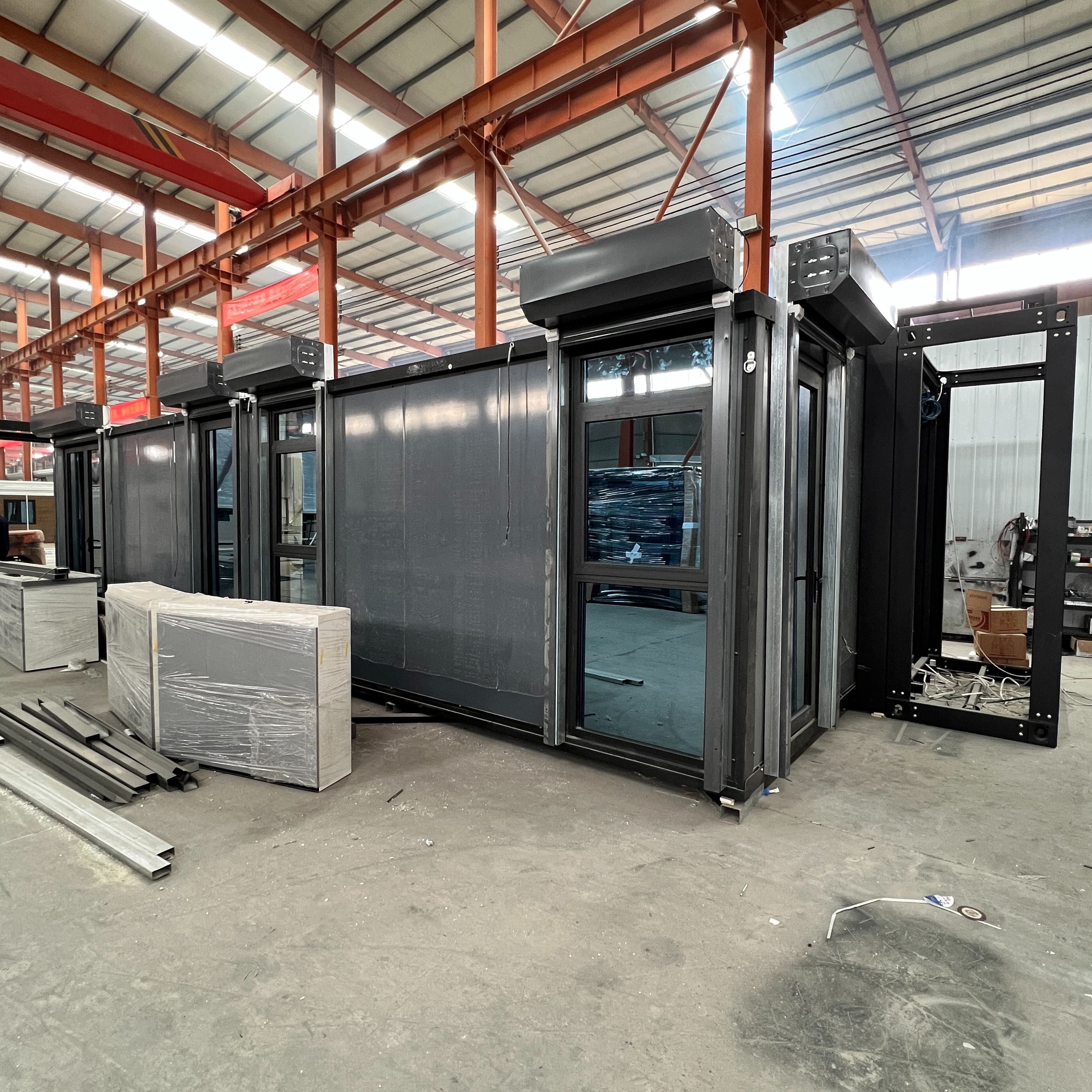
The double-wing configuration draws inspiration from origami principles, with two symmetrical “wings” that fold inward during transport and expand outward at the destination. This intelligent design solves the fundamental challenge of container housing: maximizing interior space while maintaining transportability. The expansion mechanism transforms a compact 12m x 2.2m x 2.5m unit into a generous 12m x 6.24m living area, effectively doubling the usable floor space upon deployment.
Technical Specifications
- Expanded Dimensions: 11.8m (L) x 6.24m (W) x 2.48m (H)
- Internal Dimensions: 11.54m (L) x 6.08m (W) x 2.2m (H)
- Folded Dimensions: 11.8m (L) x 2.2m (W) x 2.48m (H)
- Frame Material: Hot-dip galvanized steel
- Insulation: Polyurethane or rock wool panels
- Expansion Ratio: 180% increase in floor area
Single-Wing Alternative: Compact Efficiency
For projects requiring smaller footprints, the single-wing variation offers similar benefits in a more compact package. With one expandable side, it provides 150-200% space expansion while maintaining all the structural and environmental advantages of its double-wing counterpart. This model particularly suits urban infill projects in dense Australian cities like Adelaide or Darwin where space constraints are more pronounced.
Container House Cost Per Square Foot: Detailed Analysis
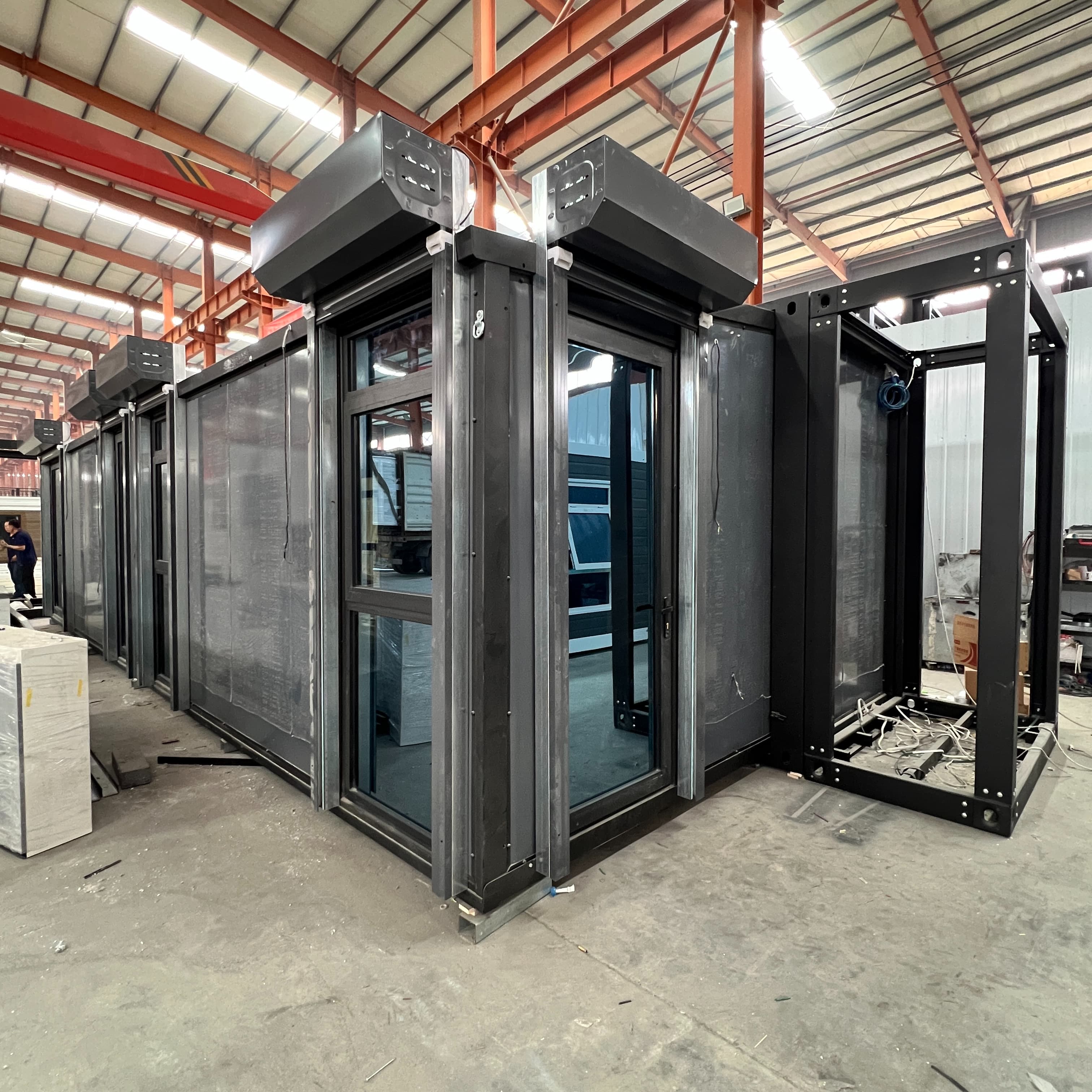
The true value proposition of the 40-foot double-wing expansion room becomes evident when examining its cost efficiency. When folded, the unit occupies approximately 26.4 square meters, but once expanded, it provides approximately 73.7 square meters of usable space. This dramatic increase directly impacts the container house cost per square foot calculation, making it one of the most economical solutions in Australia’s modular housing market.
Base Cost Structure
- Basic Shell (Unfurnished): AUD 25,000 – 35,000
- Standard Fit-Out: AUD 45,000 – 65,000
- Premium Configuration: AUD 70,000 – 95,000
When calculated per square meter (including the expanded space), this translates to:
- Basic Shell: AUD 340 – 475 per square meter
- Standard Fit-Out: AUD 610 – 880 per square meter
- Premium Configuration: AUD 950 – 1,290 per square meter
For comparison, traditional construction in Australia typically costs AUD 1,200 – 3,000 per square meter, demonstrating the significant cost advantage of this modular approach.
Cost Breakdown by Component
| Component | Cost Range (AUD) | Percentage of Total |
|---|---|---|
| Steel Frame & Structure | $12,000 – 18,000 | 25-30% |
| Insulation & Cladding | $8,000 – 12,000 | 15-20% |
| Expansion Mechanism | $5,000 – 8,000 | 10-15% |
| Windows & Doors | $4,000 – 7,000 | 8-12% |
| Electrical & Plumbing | $6,000 – 10,000 | 12-18% |
| Interior Finishes | $7,000 – 15,000 | 15-25% |
| Appliances & Fixtures | $5,000 – 12,000 | 10-20% |
Regional Cost Variations Across Australia
The container house cost per square foot varies significantly across Australian states due to transportation expenses, local labor rates, and regulatory requirements:
- Eastern Seaboard (Sydney, Brisbane, Melbourne): +10-15% premium due to higher land and labor costs
- Western Australia (Perth): +5-10% for remote area deliveries
- South Australia (Adelaide): Near-average pricing with good accessibility
- Northern Territory (Darwin): +15-20% for tropical adaptations and transport
- Tasmania (Hobart): +8-12% for ferry transportation
Key Features Impacting Container House Cost Per Square Foot
The 40-foot double-wing expansion room incorporates several innovative features that directly influence its cost efficiency and value proposition. Understanding these elements helps explain why this modular solution offers superior economics compared to traditional construction.
1. Advanced Expansion Mechanism
The hydraulic or mechanical wing system represents the most significant engineering innovation. This mechanism allows for rapid deployment (often under 30 minutes) and secure locking in the expanded position. The precision engineering required for this system adds to initial costs but dramatically reduces on-site labor expenses, positively affecting the overall container house cost per square foot.
2. Structural Integrity and Durability
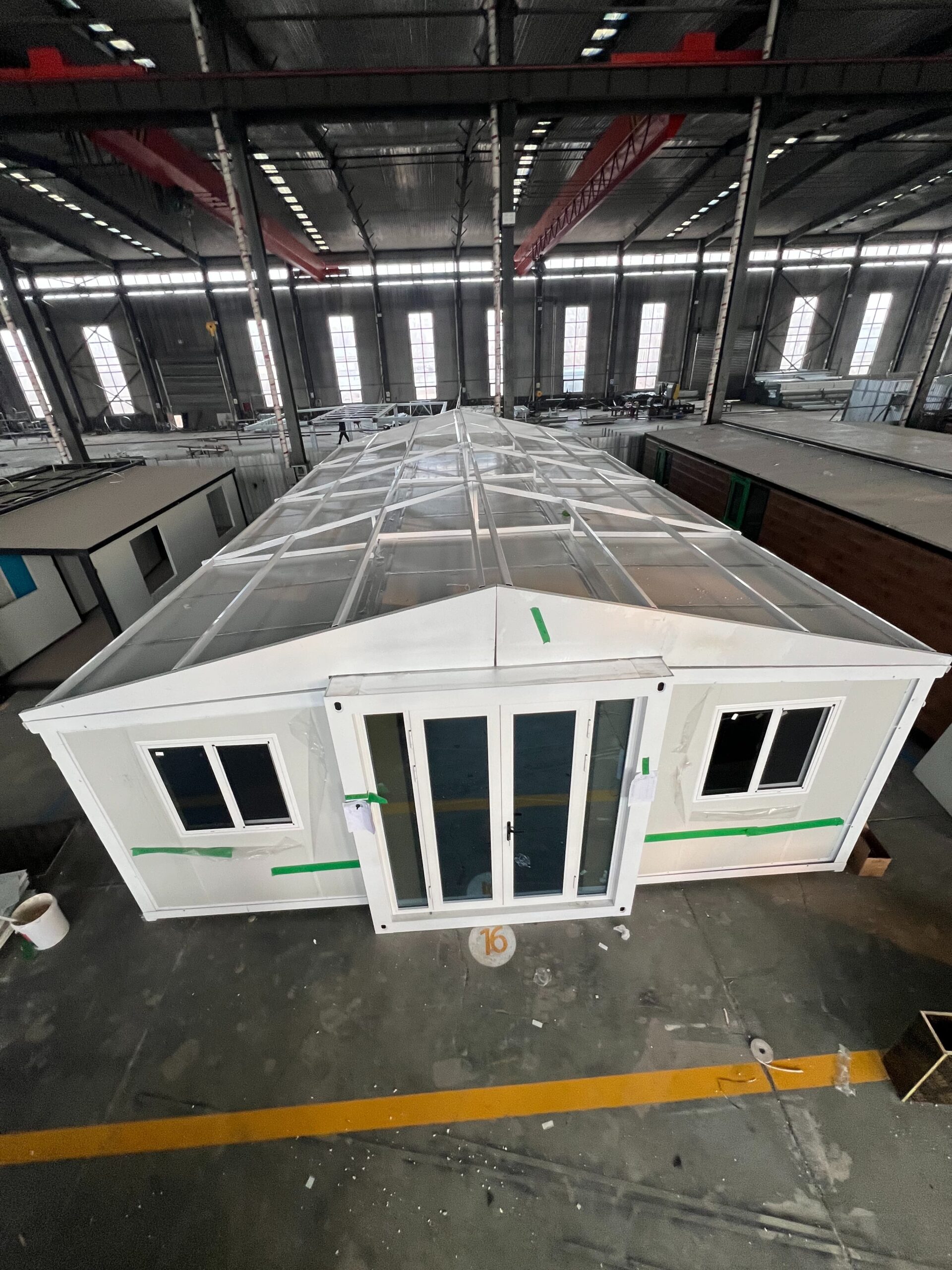
Constructed with hot-dip galvanized steel frames, these units are built to withstand Australia’s harsh environmental conditions. The structural system provides:
- Seismic resistance up to Richter scale 8
- Wind load capacity for 150km/h winds (Category 2 cyclone)
- Corrosion resistance for coastal applications
- 30+ year structural lifespan
This durability reduces long-term maintenance costs and extends the service life, improving the lifetime cost per square meter calculation.
3. Superior Insulation Systems
Australian climates demand exceptional thermal performance, and the double-wing expansion room delivers with advanced insulation options:
- Polyurethane Foam: R-value 6.5 per inch, ideal for temperature extremes
- Rock Wool: Fire-resistant with R-value 4.0 per inch
- Aerogel Panels: Premium option with R-value 10+ per inch
These insulation systems reduce energy consumption by 40-60% compared to conventional construction, significantly lowering operational costs over the building’s lifetime.
4. Integrated Systems Approach
The modular design incorporates all building systems during factory fabrication:
- Pre-installed electrical wiring with Australian safety certification
- Plumbing systems ready for connection
- HVAC ductwork integrated into walls
- Smart home wiring packages available
This integration reduces on-site work by 85%, slashing installation costs and timeline while improving quality control.
5. Interior Space Optimization
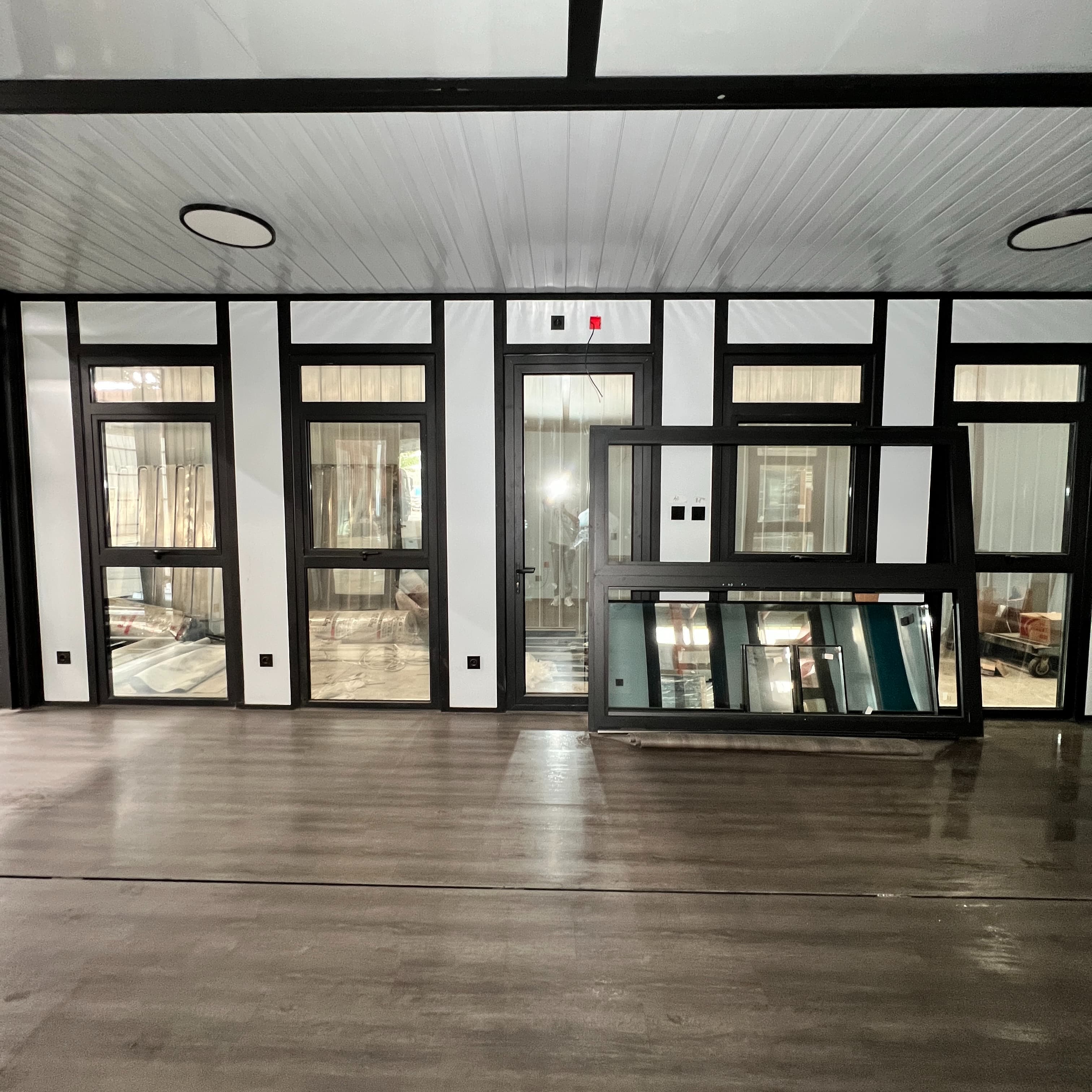
The expansion design creates a column-free interior with 90%+ space utilization efficiency. Typical configurations include:
- Open-plan living areas
- Partitioned bedroom spaces
- Integrated kitchen and bathroom modules
- Loft options for additional sleeping areas
Factors Influencing Container House Cost Per Square Foot
While the base pricing provides a general framework, several factors can significantly impact the final container house cost per square foot for Australian projects. Understanding these variables allows for accurate budgeting and informed decision-making.
1. Level of Customization
The degree of customization directly affects pricing:
- Standard Models: Pre-designed layouts with basic finishes offer the lowest cost per square meter
- Semi-Custom: Modifications to standard plans (e.g., window placement, partition adjustments) increase costs by 10-20%
- Fully Custom: Bespoke designs with premium materials can increase costs by 30-50% or more
2. Material Selection
Material choices significantly influence both initial costs and long-term value:
| Component | Standard Option | Premium Upgrade | Cost Impact |
|---|---|---|---|
| Exterior Cladding | Colorbond steel | Timber-look composite | +15-25% |
| Windows | Single-glazed aluminum | Double-glazed UPVC | +20-30% |
| Flooring | Laminate | Engineered hardwood | +25-40% |
| Bathroom | Standard fixtures | Premium designer suite | +30-50% |
3. Site Conditions and Preparation
Australian terrain diversity impacts installation costs:
- Level Sites: Minimal preparation required (base cost)
- Sloped Terrain: Additional foundation work (+$5,000-15,000)
- Remote Locations: Transport and access challenges (+10-25%)
- Urban Settings: Crane access and permitting (+$3,000-8,000)
4. Regulatory Compliance
Australian building codes and local regulations affect costs:
- Standard residential compliance typically included
- Commercial use certifications (+$2,000-5,000)
- Special environmental requirements (e.g., bushfire zones) (+$5,000-15,000)
- Heritage area restrictions (+$3,000-10,000 for adaptations)
5. Transportation and Logistics
Geographic factors significantly impact delivery costs:
- Metropolitan Areas: Standard delivery rates
- Regional Centers: +$500-1,500 per unit
- Remote/Outback: +$2,000-5,000+ per unit
- Island Locations: Ferry costs and special handling (+$3,000-8,000)
Advantages of the 40-Foot Double-Wing Expansion Room
Beyond the favorable container house cost per square foot, this modular solution offers numerous advantages that enhance its value proposition for Australian homeowners, businesses, and developers.
1. Unmatched Deployment Speed
Traditional construction in Australia typically takes 6-12 months for a comparable dwelling. The double-wing expansion room transforms this timeline:
- Factory production: 4-6 weeks
- Site preparation: 1-2 weeks
- Delivery and installation: 1-3 days
- Total timeline: 6-9 weeks (80% faster than conventional builds)
This rapid deployment significantly reduces financing costs and accelerates return on investment for commercial applications.
2. Exceptional Mobility and Reusability
Unlike permanent structures, these units offer complete mobility:
- Relocate entire buildings without demolition
- Reconfigure layouts as needs change
- Temporary use with permanent quality
- 90%+ material recyclability at end-of-life
This flexibility proves invaluable for Australian businesses needing to adapt to changing market conditions or for homeowners planning future relocations.
3. Superior Environmental Performance
Sustainability considerations increasingly influence Australian construction decisions. The double-wing expansion room delivers:
- 50-70% less construction waste
- 40-60% reduced energy consumption
- Low-VOC materials and finishes
- Solar-ready designs with battery integration
These features align with Australia’s National Construction Code (NCC) energy efficiency requirements and contribute to Green Star certification points.
4. Design Versatility
The modular system supports diverse architectural expressions:
- Modern minimalist aesthetics
- Rural outback character
- Coastal holiday home style
- Urban industrial look
5. Financial Flexibility
The favorable container house cost per square foot creates diverse financial opportunities:
- Lower entry barrier for property development
- Reduced financing requirements
- Faster cash flow conversion for commercial projects
- Modular expansion as budget allows
Application Scenarios Across Australia
The versatility of the 40-foot double-wing expansion room makes it suitable for diverse applications across Australia’s varied landscapes and urban centers. Each use case demonstrates unique value propositions beyond the basic container house cost per square foot calculation.
1. Residential Housing Solutions
For Australian homeowners, these units provide affordable, quality housing options:
- Primary Residences: Complete homes for first-time buyers or downsizers
- Granny Flats: Multigenerational living solutions in suburban backyards
- Holiday Homes: Cost-effective beach houses or bush retreats
- Rental Properties: High-yield investment units with quick deployment
In Sydney’s competitive housing market, a double-wing unit can be installed as a secondary dwelling for approximately AUD 70,000-90,000, generating rental income of AUD 400-600 per week while adding property value.
2. Commercial and Business Applications
Australian businesses leverage these modular units for rapid commercial space creation:
- Pop-Up Retail: Temporary shops in high-traffic areas
- Construction Site Offices: Durable, relocatable project headquarters
- Tourism Accommodation: Eco-friendly glamping pods in scenic locations
- Food Service: Quick-service restaurants or cafes
A Melbourne café chain recently deployed double-wing units in three locations, reducing setup time by 75% compared to traditional construction while maintaining premium aesthetics that attract customers.
3. Specialized Functional Uses
The modular system adapts to specialized requirements across Australian industries:
- Remote Workstations: Mining and resource sector accommodations
- Educational Facilities: Classrooms for rural schools or expanding campuses
- Healthcare Spaces: Rural clinics or temporary medical facilities
- Emergency Housing: Disaster response accommodation
During the 2019-2020 Australian bushfires, these units provided critical temporary housing in New South Wales and Victoria, with deployment times under 48 hours in accessible areas.
4. Tourism and Hospitality
Australia’s tourism sector embraces container architecture for unique guest experiences:
- Luxury Eco-Lodges: Sustainable accommodations in sensitive environments
- Glamping Sites: Premium camping experiences with full amenities
- Backpacker Hostels: Budget-friendly group accommodations
- Event Spaces: Temporary venues for festivals and gatherings
A Queensland tourism operator developed a luxury eco-resort using double-wing units, achieving 85% occupancy rates despite premium pricing due to the unique architectural appeal and environmental credentials.
Interior Design and Functional Spaces
The interior configuration of the 40-foot double-wing expansion room maximizes both functionality and comfort, directly impacting the perceived value beyond the basic container house cost per square foot. The expanded space allows for thoughtful room divisions and high-quality finishes that challenge conventional housing expectations.
Living Area Design
The central living space benefits from the expansion design, creating open-plan areas perfect for Australian indoor-outdoor lifestyles:
- Generous window placements for natural light and views
- Sliding glass doors connecting to decks or patios
- Flexible furniture arrangements
- Integrated storage solutions
Standard living area finishes include:
- Hybrid flooring (waterproof laminate in living areas)
- LED downlighting with dimmer controls
- Power outlets with USB charging points
- Reverse-cycle air conditioning
Kitchen Configuration
The kitchen module balances functionality and space efficiency:
<img src="https://www.huaying1.com/wp-content/uploads/2026/03/