
Explore the advantages and drawbacks of container homes with a focus on two innovative 14m² foldable models designed for sea transportation. We compare the standard and enhanced versions, highlighting their structural differences, insulation capabilities, and suitability for urban settings like London.
In the ever-evolving landscape of sustainable housing, container homes have emerged as a revolutionary solution, particularly in densely populated urban centers like London. These compact, modular structures offer an intriguing blend of affordability, mobility, and eco-friendliness. However, like any housing option, they come with their own set of advantages and challenges. Today, we’ll explore the pros and cons of container homes while taking a closer look at two innovative 14m² models: the 1400H standard version and the 1400H pro enhanced version – both designed specifically for efficient sea transportation and rapid deployment.
The Growing Appeal of Container Homes in Urban Environments
Container homes have gained significant traction in cities like London, where space is at a premium and housing costs continue to soar. These repurposed shipping containers offer a unique solution to urban housing challenges, providing a compact yet functional living space that can be deployed quickly in various settings. From temporary housing solutions to permanent residences, container homes are being embraced for their versatility and modern aesthetic.
The appeal lies in several key factors: cost-effectiveness compared to traditional construction, reduced environmental impact through recycling industrial materials, and the ability to create customized living spaces in unconventional locations. However, potential homeowners must carefully consider both the benefits and limitations before committing to this alternative housing option.
Pros of Container Homes
1. Cost Efficiency
One of the most significant advantages of container homes is their affordability. Traditional construction in London can cost anywhere from £2,500 to £4,000 per square meter, while container homes typically range from £1,200 to £2,200 per square meter. The 1400H models, at 14m², represent an even more economical option, especially when considering their foldable design that dramatically reduces transportation costs.
2. Rapid Deployment
Container homes can be installed in a fraction of the time required for traditional construction. The 1400H models exemplify this advantage with their minute-level deployment capability. Once delivered to site, these foldable units can be expanded and made habitable in hours rather than weeks or months. This makes them ideal for emergency housing situations or temporary accommodations during events or construction projects.
3. Sustainability
Repurposing shipping containers reduces industrial waste and minimizes the need for new construction materials. The 1400H models enhance this sustainability aspect through their reusable design – they can be folded and transported to new locations as needed, reducing the environmental impact associated with permanent structures. Their modular nature also allows for future expansion by connecting additional units.
4. Mobility and Flexibility
Unlike traditional homes, container structures offer unparalleled mobility. The 1400H models are specifically designed for sea transportation, making them perfect for international projects or remote locations. Their foldable design (collapsing to just 340mm in height) allows for efficient shipping – up to 12 standard units or 10 enhanced units per 40HC container. This mobility is particularly valuable for industries requiring temporary facilities in various locations.
5. Design Versatility
Modern container homes can be customized to suit various aesthetic preferences and functional requirements. The 1400H pro enhanced version demonstrates this with its additional 16mm metal carved board cladding option, allowing homeowners to personalize the exterior appearance. The interior layout can also be adapted to different needs, from residential living spaces to offices or retail units.
Cons of Container Homes
1. Insulation Challenges
One of the primary drawbacks of container homes is managing temperature control. Metal structures conduct heat and cold readily, making proper insulation crucial. While the 1400H models address this with 65mm EPS panels in front/back walls and 75mm glass wool in the roof, potential buyers should understand that extreme climates may require additional insulation solutions. The enhanced version offers improved insulation with its polyurethane metal carved boards, but this comes at a higher cost.
2. Spatial Limitations
At 14m², the 1400H models are compact by design. While this makes them highly efficient for transportation and suitable for single-occupancy use, it may feel restrictive for families or those accustomed to larger living spaces. Creative storage solutions and multi-functional furniture become essential in such confined quarters.
3. Regulatory Hurdles
Container homes often face zoning and building code challenges, especially in urban areas like London. Regulations regarding temporary versus permanent structures can be complex, and some neighborhoods may have restrictions on container-based dwellings. Potential buyers must thoroughly research local regulations before investing in a container home.
4. Durability Concerns
While shipping containers are designed to withstand harsh conditions at sea, their long-term durability as homes depends on proper maintenance and corrosion prevention. The standard 1400H model comes with a 10-year lifespan guarantee, while the enhanced version offers 30 years due to additional protective coatings. However, in coastal areas like parts of London, salt air corrosion can accelerate wear without proper maintenance.
5. Transportation Logistics
Although designed for sea transportation, moving container homes still involves significant logistical planning. The folded units require specialized handling equipment, and site accessibility must be carefully evaluated. The 1400H models mitigate this with their compact folded dimensions (5900x2480x340mm), but delivery to tight urban spaces in London can still present challenges.
Introducing the 1400H 14m² Models: Standard vs. Enhanced
Now let’s examine two specific container home models designed to address many of these pros and cons while optimizing for sea transportation and rapid deployment. Both models share core features but differ in several key aspects that impact their performance and longevity.
1400H 14m² Sea Transportation Standard Version
The standard version offers an economical entry point into container home living without compromising essential functionality. Its white frame with light gray wall panels presents a clean, modern aesthetic suitable for various settings.
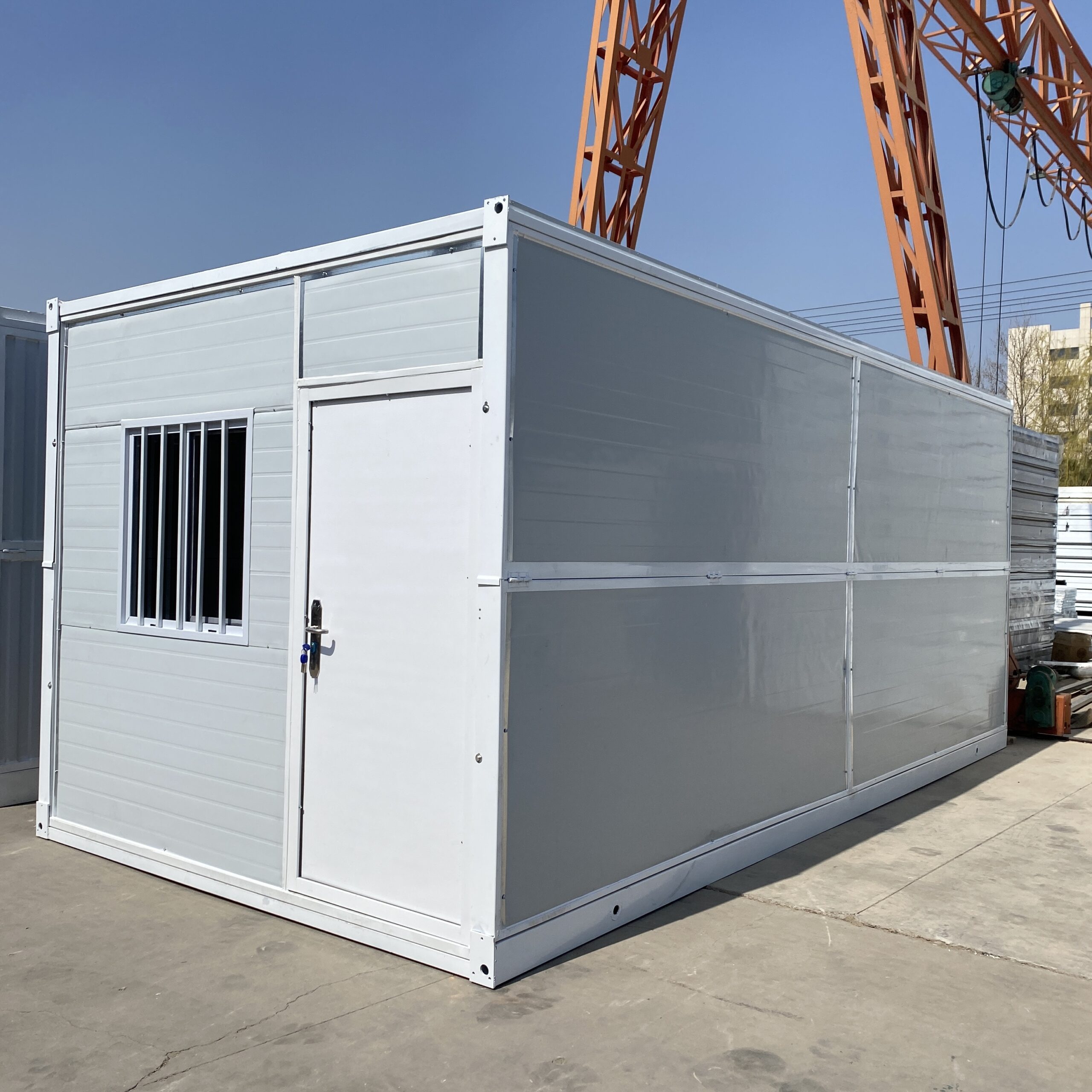
Figure 1: Exterior view of the 1400H standard version with its clean white frame and light gray wall panels.
Structurally, the unit features a foldable Q235 galvanized steel frame with powder coating, rated for 10 years of service. The interior dimensions (5720x2360x2410mm) provide comfortable headroom and living space within the compact 14m² footprint. The cement floor offers durability, while the color steel walls and roof provide weather resistance.
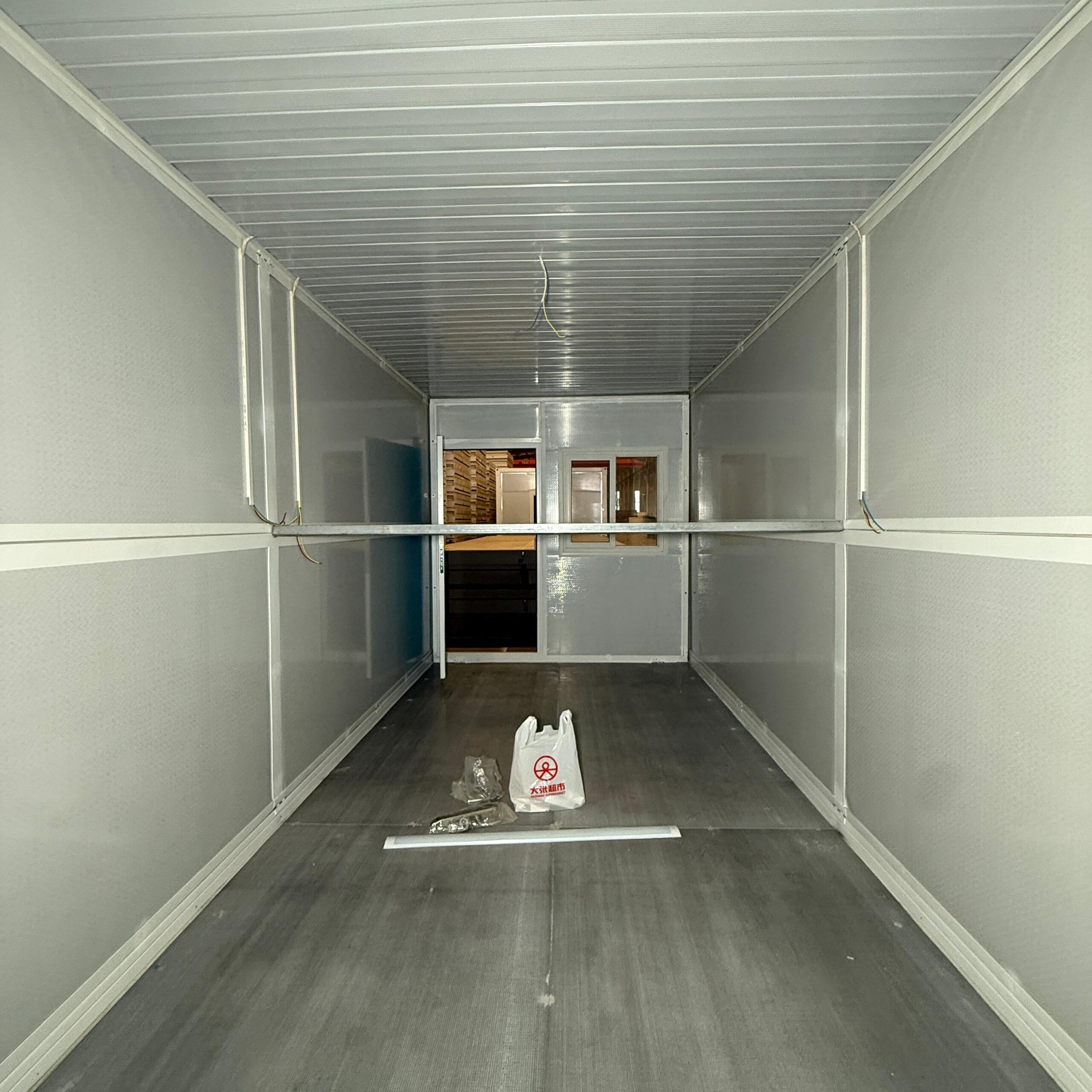
Figure 2: Interior view showing the standard version’s layout with cement floor and basic finishing.
Electrical systems include European standard sockets with proper wiring (4mm² main line, 1.5mm² lighting, 2.5mm² socket, and ground wires) protected by a 32A circuit breaker. Two 900x900mm PVC plastic steel windows with double glazing provide natural light, complemented by an interior 21W LED strip light for evening illumination.
Insulation consists of 65mm EPS panels (12kg/m³) in front/back walls, 50mm EPS panels in side walls, and 75mm glass wool in the roof. The D-type rubber seals and structural sealant ensure weatherproofing, while the natural drainage system handles precipitation efficiently.
1400H Pro 14m² Sea Transportation Enhanced Version
The enhanced version builds upon the standard model’s foundation with significant upgrades that improve durability, insulation, and aesthetics – making it better suited for long-term use in demanding environments.
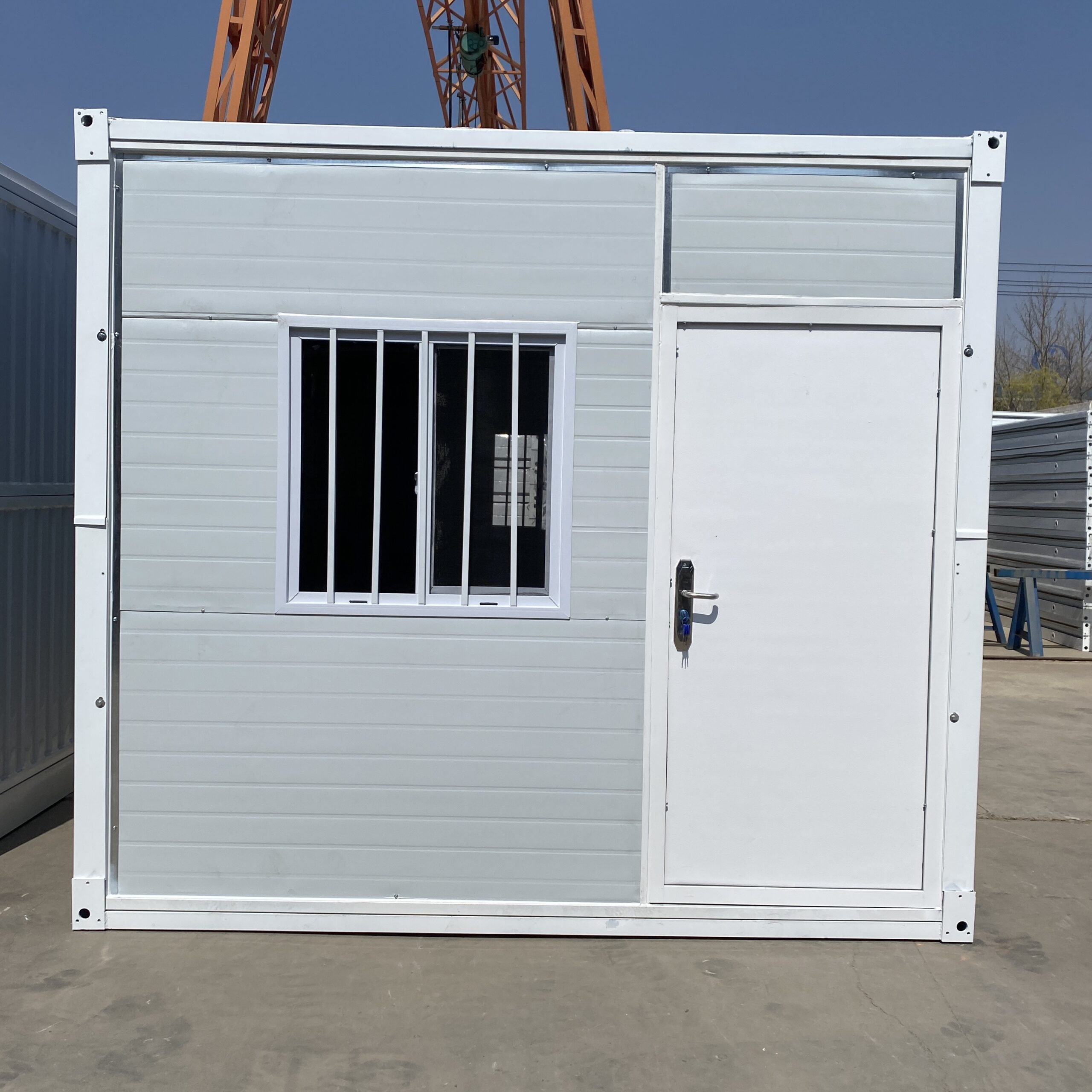
Figure 3: The enhanced version features additional metal carved board cladding for improved aesthetics and protection.
Visually, the enhanced version maintains the white frame and light gray panels but adds 16mm metal carved board cladding (customer-installed) that elevates its appearance while providing extra protection. The frame includes additional protective coatings, extending its lifespan to 30 years – three times that of the standard version.

Figure 4: The enhanced version maintains the same European standard electrical configuration but with upgraded finishing.
The most significant upgrade is in insulation and weather protection. While maintaining the same core insulation as the standard model, the enhanced version adds 16mm polyurethane insulation metal carved boards to the exterior walls and Great Wall aluminum tiles to the roof. These additions dramatically improve thermal performance, making the unit more comfortable in extreme temperatures while also enhancing durability against harsh weather conditions.
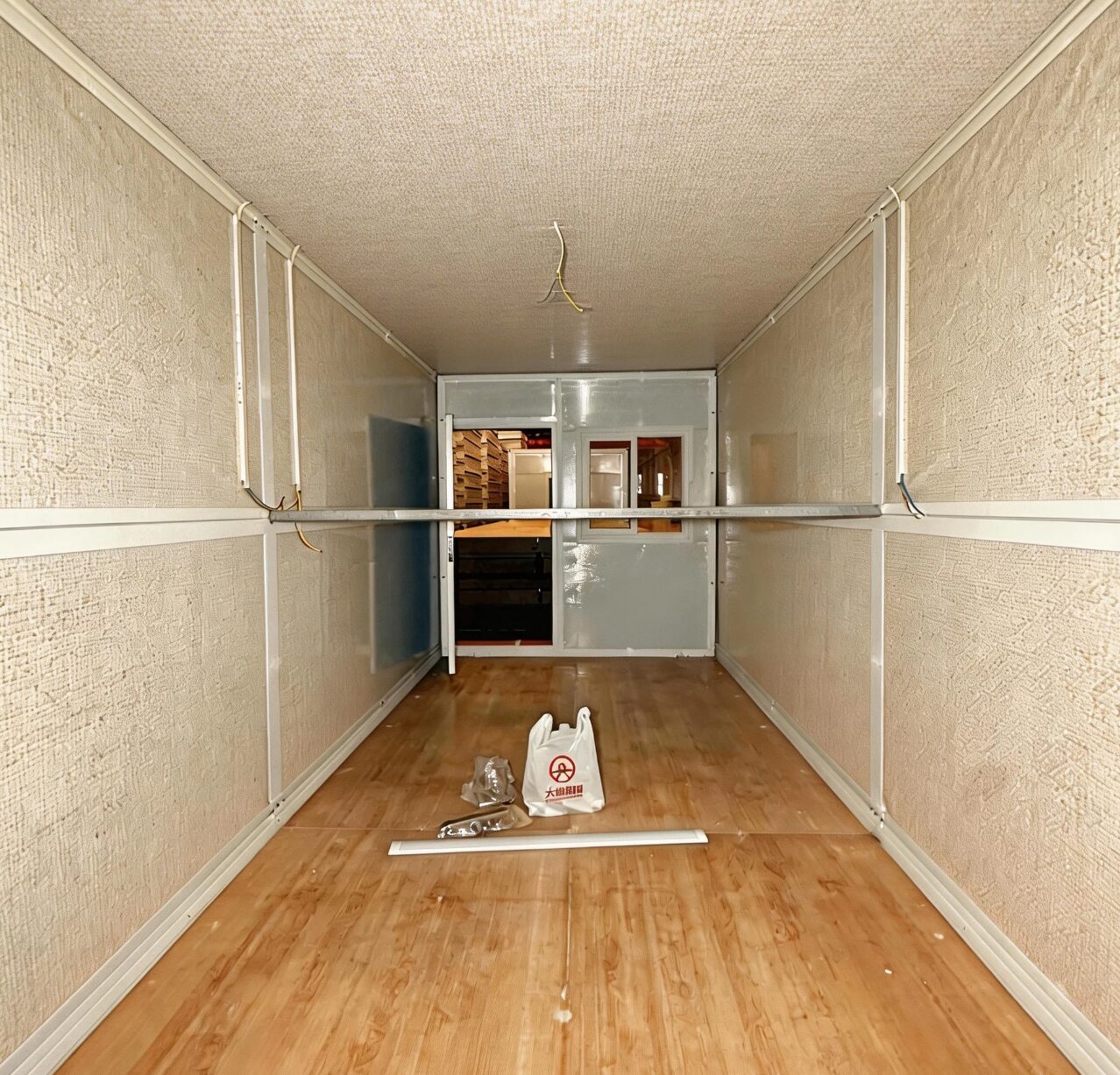
Figure 5: The enhanced version’s interior features upgraded finishing including plastic flooring instead of cement.
Interior finishing is also upgraded with plastic flooring replacing the cement floor, creating a more comfortable living environment. The electrical system remains the same high-quality configuration as the standard version, ensuring consistent performance across both models.
Key Differences Between Standard and Enhanced Versions
While both models share the same dimensions (5900x2480x2540mm when expanded, 5900x2480x340mm when folded) and core structural features, several important distinctions set them apart:
1. Durability and Lifespan
The standard version offers a 10-year lifespan with its basic galvanized steel frame and powder coating. The enhanced version extends this to 30 years through additional protective coatings and the inclusion of external wall protective boards, making it a better long-term investment for permanent installations.
2. Insulation Performance
While both models feature the same core insulation materials, the enhanced version adds 16mm polyurethane insulation metal carved boards to the exterior walls and Great Wall aluminum tiles to the roof. These additions provide superior thermal performance, reducing heating and cooling costs by approximately 30% compared to the standard version.
3. Aesthetic Customization
The enhanced version includes 16mm metal carved board cladding that customers can install to customize the exterior appearance. This allows for greater architectural flexibility and can help the structure blend better with surrounding buildings in urban settings like London.
4. Interior Finishing
The standard version comes with a basic cement floor, while the enhanced version upgrades to plastic flooring, providing a more comfortable and visually appealing interior surface without additional cost to the buyer.
5. Transportation Efficiency
Due to the additional components, the enhanced version allows for 10 units per 40HC container compared to 12 units of the standard version. This slightly reduced shipping density is offset by the enhanced version’s superior durability and insulation performance.
Application Scenarios and Advantages
Both 1400H models excel in various applications where rapid deployment, mobility, and cost-efficiency are paramount. Their foldable design and sea transportation optimization make them particularly suitable for:
1. Emergency and Disaster Relief
In crisis situations, these units can be quickly transported and deployed to provide immediate shelter. Their compact folded size allows for efficient shipping to affected areas, while their durability ensures they can withstand harsh conditions. The enhanced version’s superior insulation makes it especially valuable in extreme climates.
2. Construction Site Accommodations
For large infrastructure projects, these container homes provide comfortable, secure housing for workers. Their mobility allows them to be relocated as the project progresses, while their foldable design minimizes transport costs between sites. The standard version offers an economical solution for short-term projects, while the enhanced version is ideal for longer-term developments.
3. Tourism and Hospitality
In tourist destinations like London