Explore space-efficient small container house plans with loft featuring Canada-inspired 40-foot double-wing expansion designs. This comprehensive guide reveals modular architecture that transforms compact spaces into luxurious, sustainable homes with rapid deployment, stunning aesthetics, and customizable layouts for modern living.
In the evolving landscape of sustainable architecture, small container house plans with loft are improving compact living across North America. Among these innovations, Canada’s pioneering 40-foot customized double-wing expansion rooms demonstrate practical engineering – transforming standard shipping containers into spacious, loft-equipped habitats with unprecedented flexibility. This engineered design, born from Vancouver’s modern modular housing scene, addresses urban density challenges while offering a blueprint for affordable, eco-conscious living worldwide.
The Double-Wing Phenomenon in Container Architecture
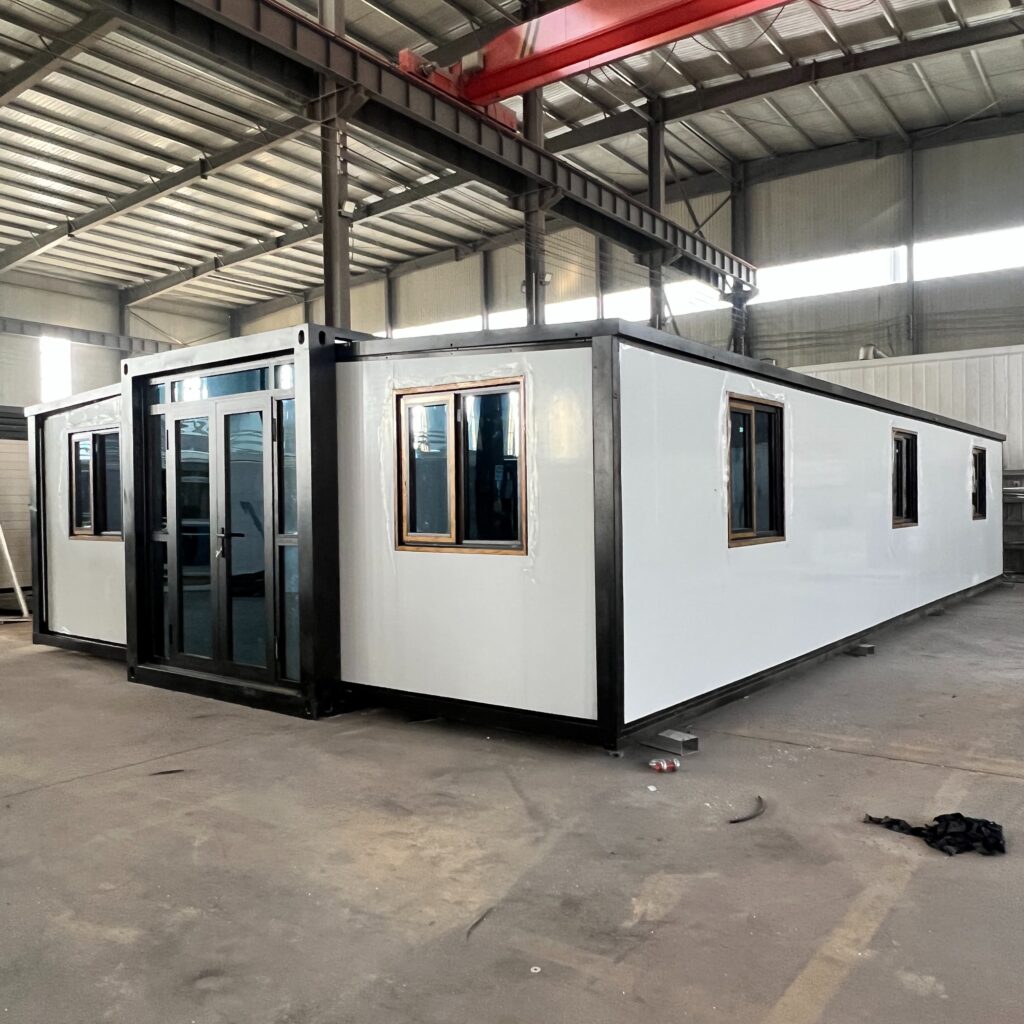
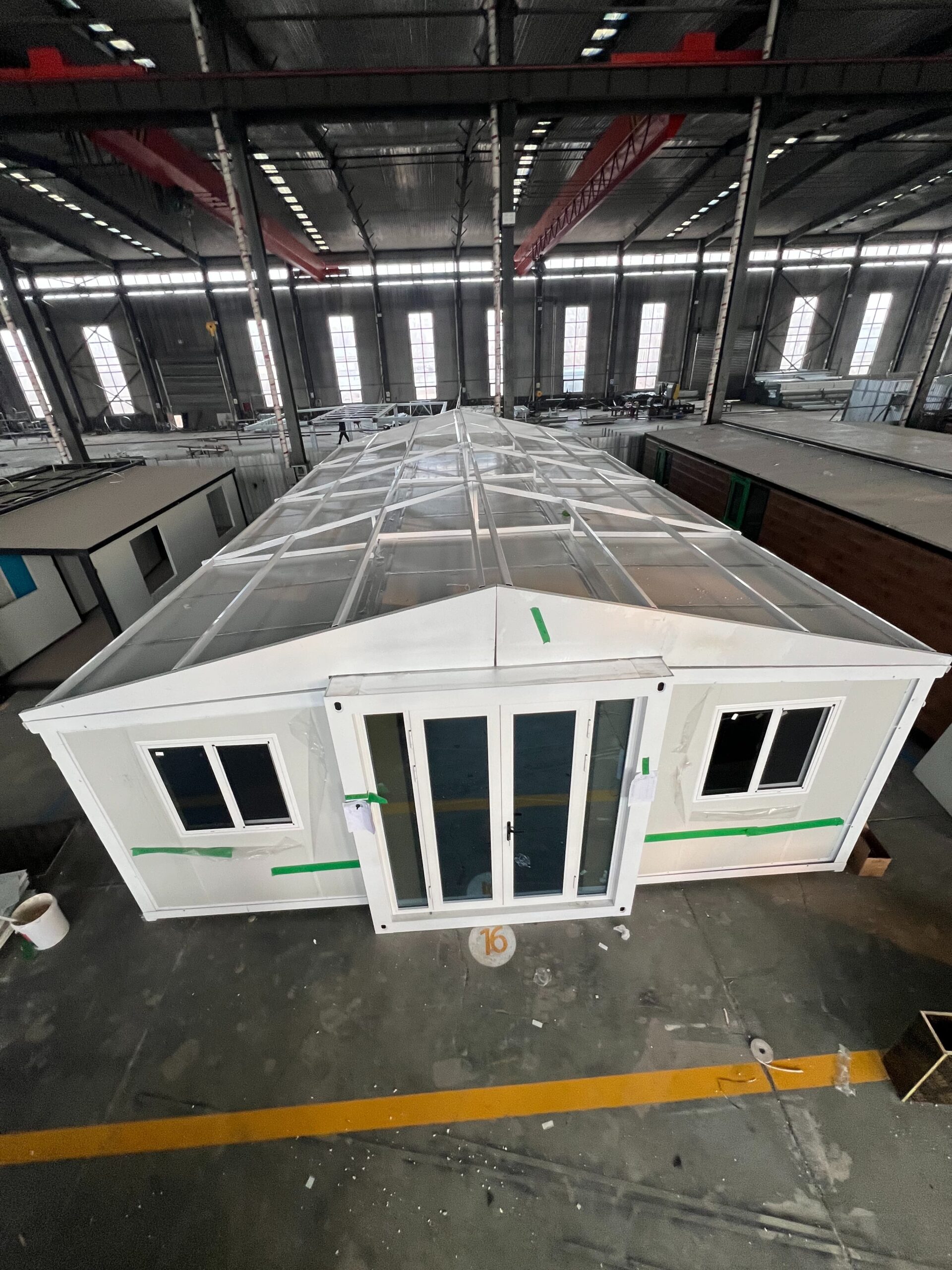
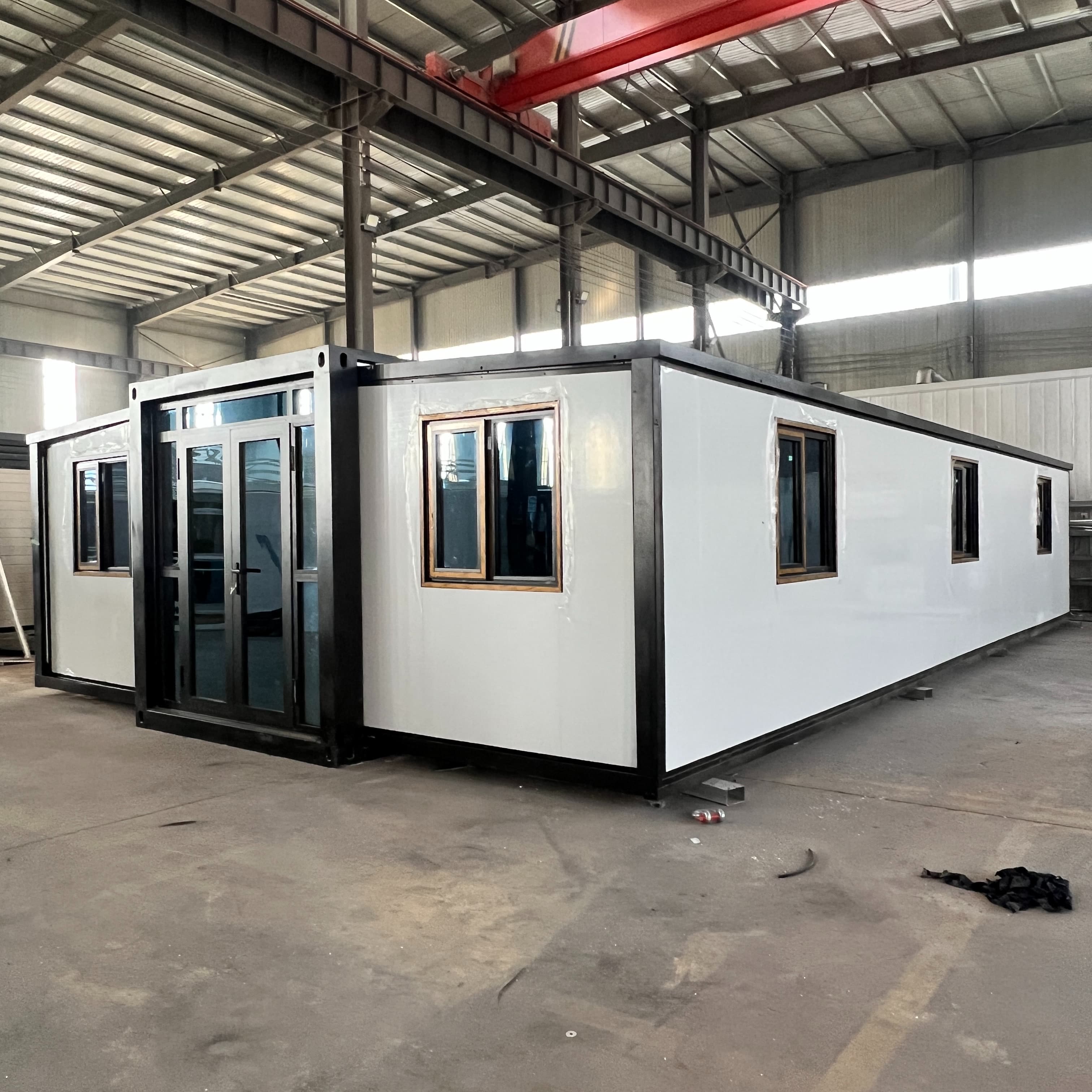
Imagine a standard shipping container arriving at your property, only to unfold like origami into a 6240mm-wide living space – that’s the benefits of double-wing expansion technology. Unlike static container conversions, these engineered habitats feature lateral “wings” that deploy hydraulically, increasing usable floor area by 70-80% while maintaining structural integrity. This design evolution, perfected in Toronto’s modular housing labs, allows homeowners to achieve genuine one-bedroom layouts within a compact footprint – a practical choice for urban infill lots, rural retreats, and vacation properties.
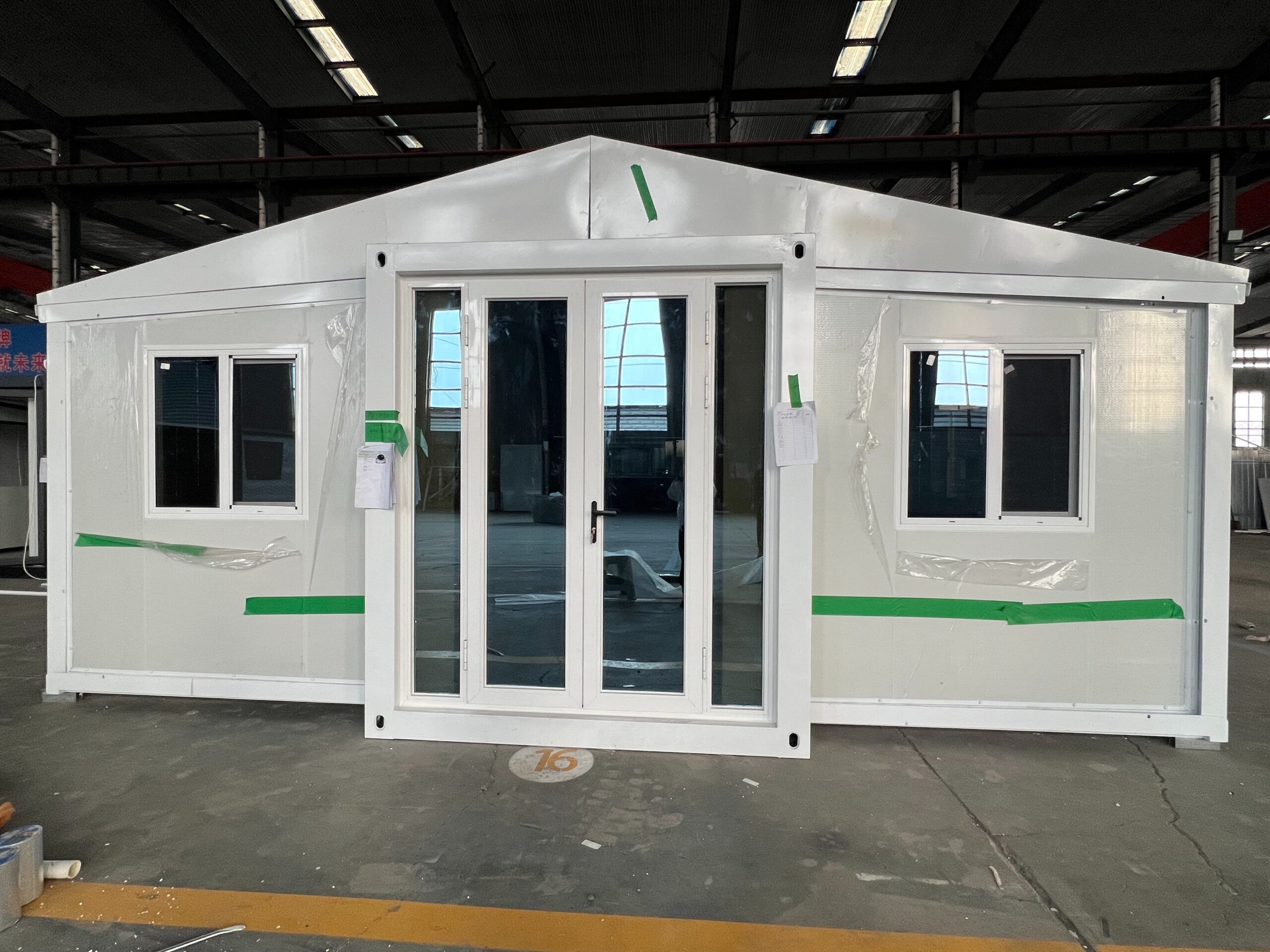
The genius lies in the transformation: When folded for transport, the unit maintains standard container dimensions (11800×2200×2480mm), complying with global shipping regulations. Once deployed, it blossoms into a spacious 11800×6240×2480mm habitat with 2200mm ceiling heights – suited to loft integration. This metamorphosis occurs in hours, not weeks, making it ideal for time-sensitive projects from Calgary to Montreal.
Engineering Excellence: Core Features of Double-Wing Systems
1. Structural Innovation
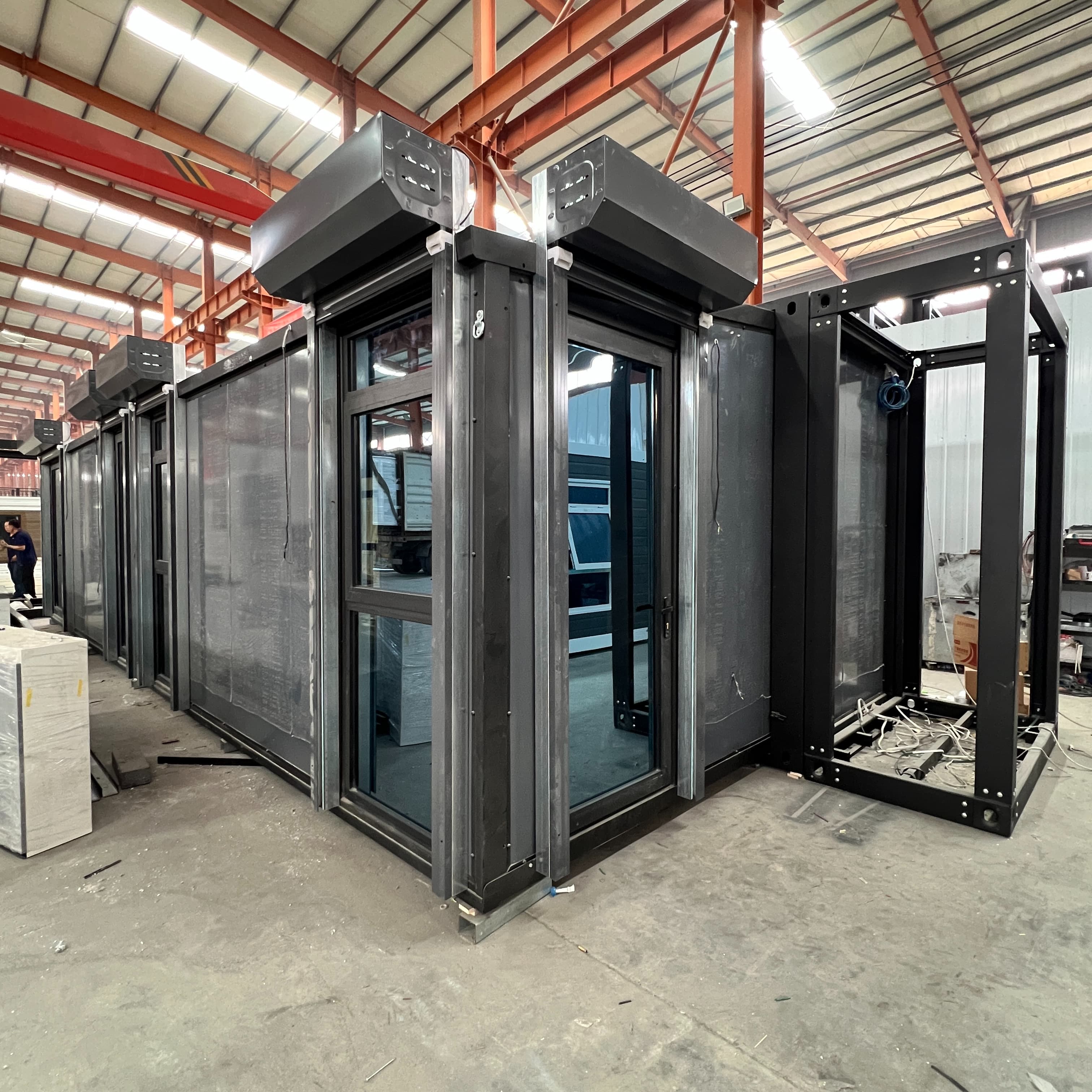
At the heart of these designs lies a hot-dip galvanized steel frame – the same corrosion-resistant technology used in Canadian bridge construction. This skeleton provides seismic resilience (withstanding 8.0 magnitude tremors) and wind resistance (up to 150km/h gusts). The foldable wings utilize aerospace-grade hinges that endure thousands of deployment cycles without degradation, while precision-engineered locking mechanisms create a monolithic structure once expanded.
2. Material Science
Walls combine 75mm polyurethane foam insulation (R-value 30) with recycled steel panels, creating thermal envelopes that reduce heating/cooling costs by 40% compared to traditional structures. Windows feature triple-glazed Low-E argon-filled units with thermally broken aluminum frames – meeting Canada’s stringent Energy Star requirements. Flooring utilizes cross-laminated timber (CLT) from sustainably managed British Columbia forests, providing both structural stability and biophilic warmth.
3. Loft Integration
The loft space – the signature feature of these small container house plans – is engineered for maximum functionality. Accessed via space-saving spiral stairs or alternating tread designs, it typically accommodates a queen bedroom suite with 1200mm headroom clearance. The loft platform employs steel mesh decking to allow light penetration while supporting 200kg/m² live loads. Clever design incorporates integrated storage beneath stair treads and recessed LED lighting along loft perimeters.
4. Smart Home Integration
Modern iterations come pre-wired for IoT ecosystems: Smart thermostats learn occupancy patterns, motion-sensor LED lighting reduces energy consumption, and app-controlled security systems include 4K cameras with facial recognition. Solar-ready roof supports accommodate up to 5kW photovoltaic arrays, while battery storage systems provide off-grid capability – essential for remote Canadian cottage country deployments.
Single-Wing Alternatives: Streamlined Solutions
For projects requiring smaller footprints or budget-sensitive developments, the single-wing variant offers compelling advantages. This configuration expands 1.5-2x the original container width, making it ideal for backyard studios, home offices, or accessory dwelling units (ADUs). The single-wing design maintains all structural benefits while reducing material costs by approximately 25%.
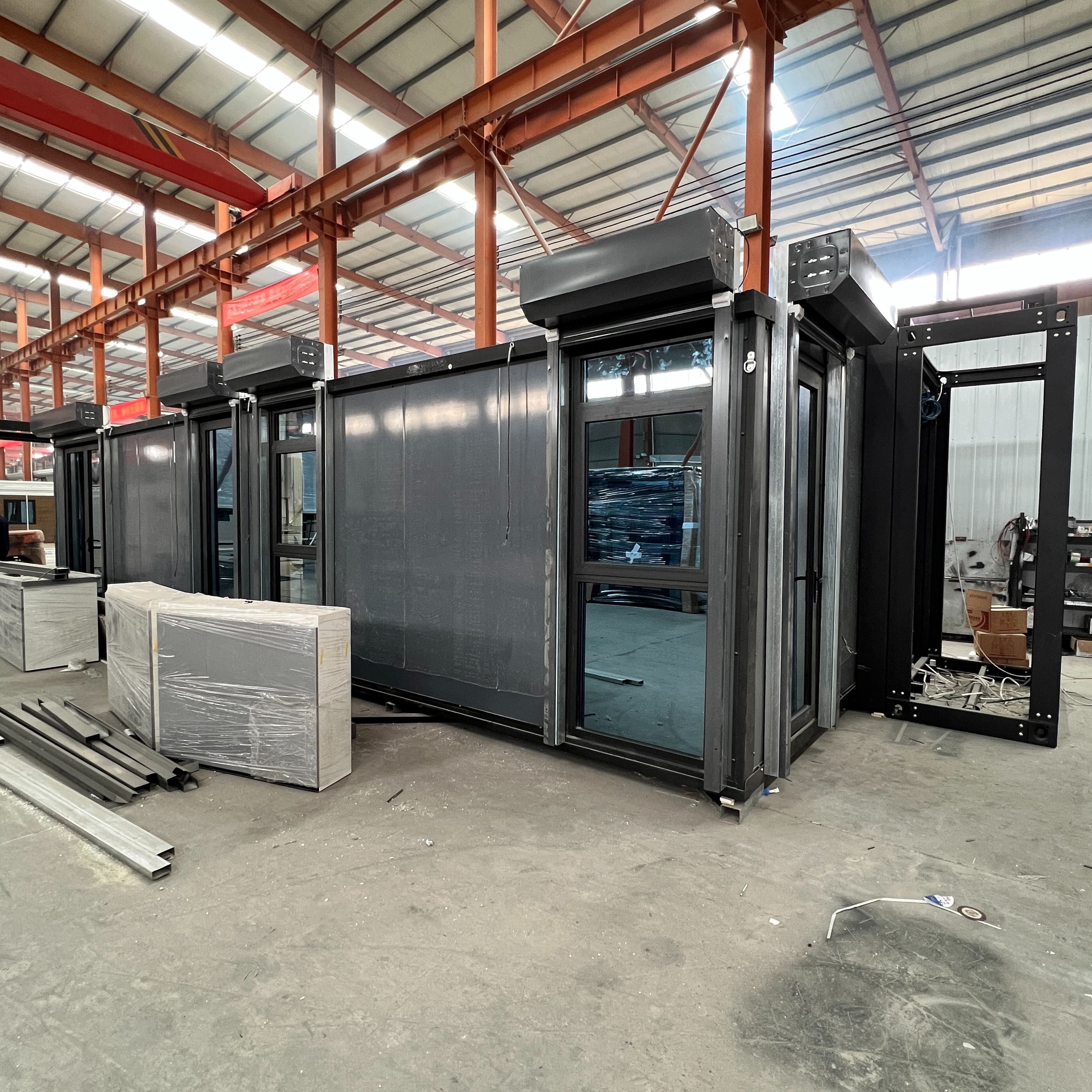
Interior layouts maximize efficiency through ingenious space planning: The ground level typically houses a full kitchen, bathroom, and living area, while the loft serves as a private sleeping sanctuary. This configuration has become popular in Vancouver’s laneway housing initiatives, addressing urban density challenges without compromising livability.
Interior Design Mastery: Functional Aesthetics
Step inside these transformed containers, and you’ll encounter interiors that rival luxury apartments. The factory-fitted approach ensures millimeter-practical precision – every cabinet, fixture, and finish is installed before leaving the production facility.
Kitchen Excellence
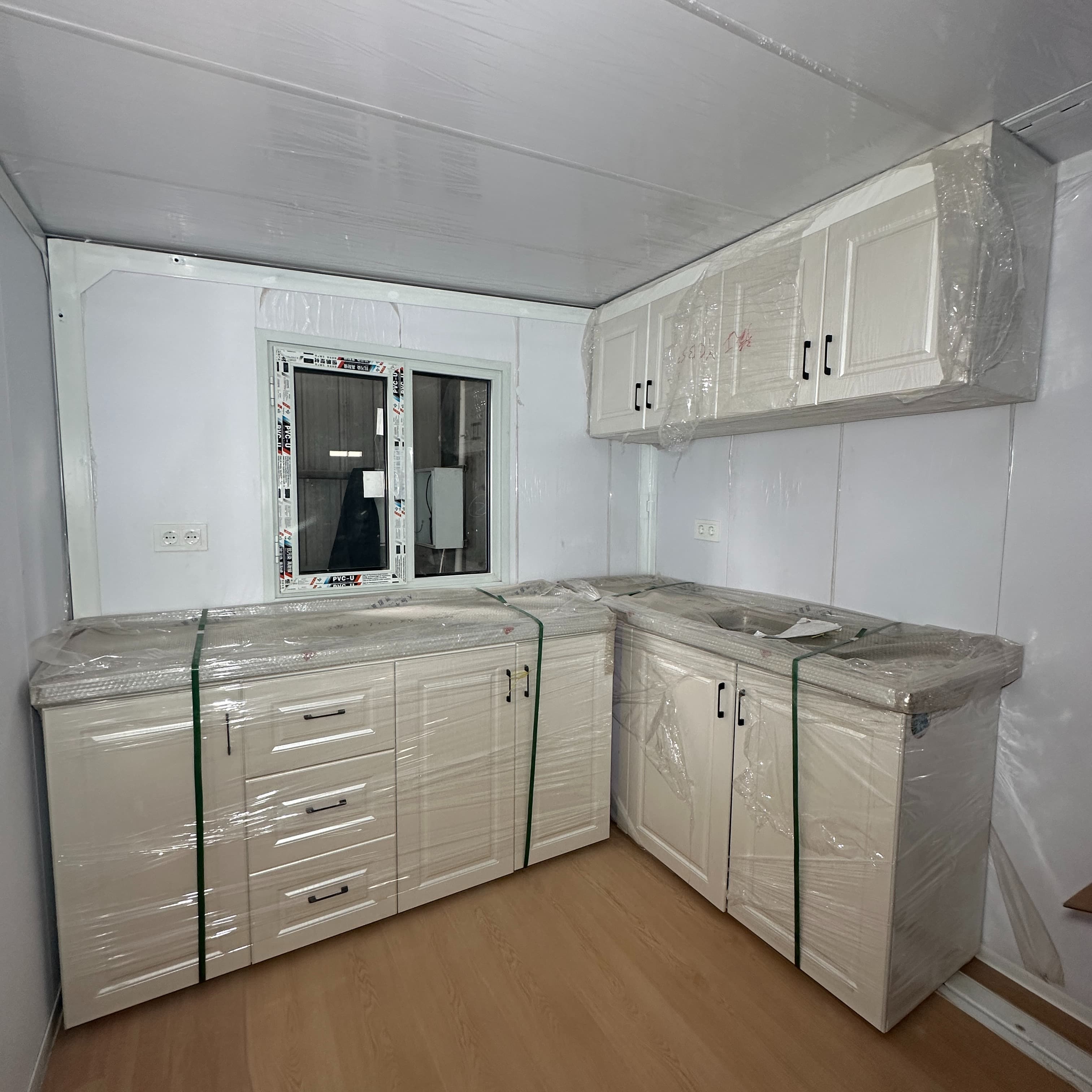
Kitchens feature European-inspired modular designs with:
– Quartz countertops with integrated sinks
– Soft-close cabinetry maximizing vertical space
– Induction cooktops and convection microwaves
– Under-counter refrigeration with freezer drawers
– Pull-out pantries utilizing 150mm gaps
– LED task lighting under wall cabinets
The galley layout optimizes the 11540×6080mm interior dimensions, creating efficient work triangles while maintaining open sightlines to living areas. Materials range from sustainable bamboo finishes to recycled glass countertops – reflecting Canada’s commitment to eco-conscious design.
Bathroom Innovations
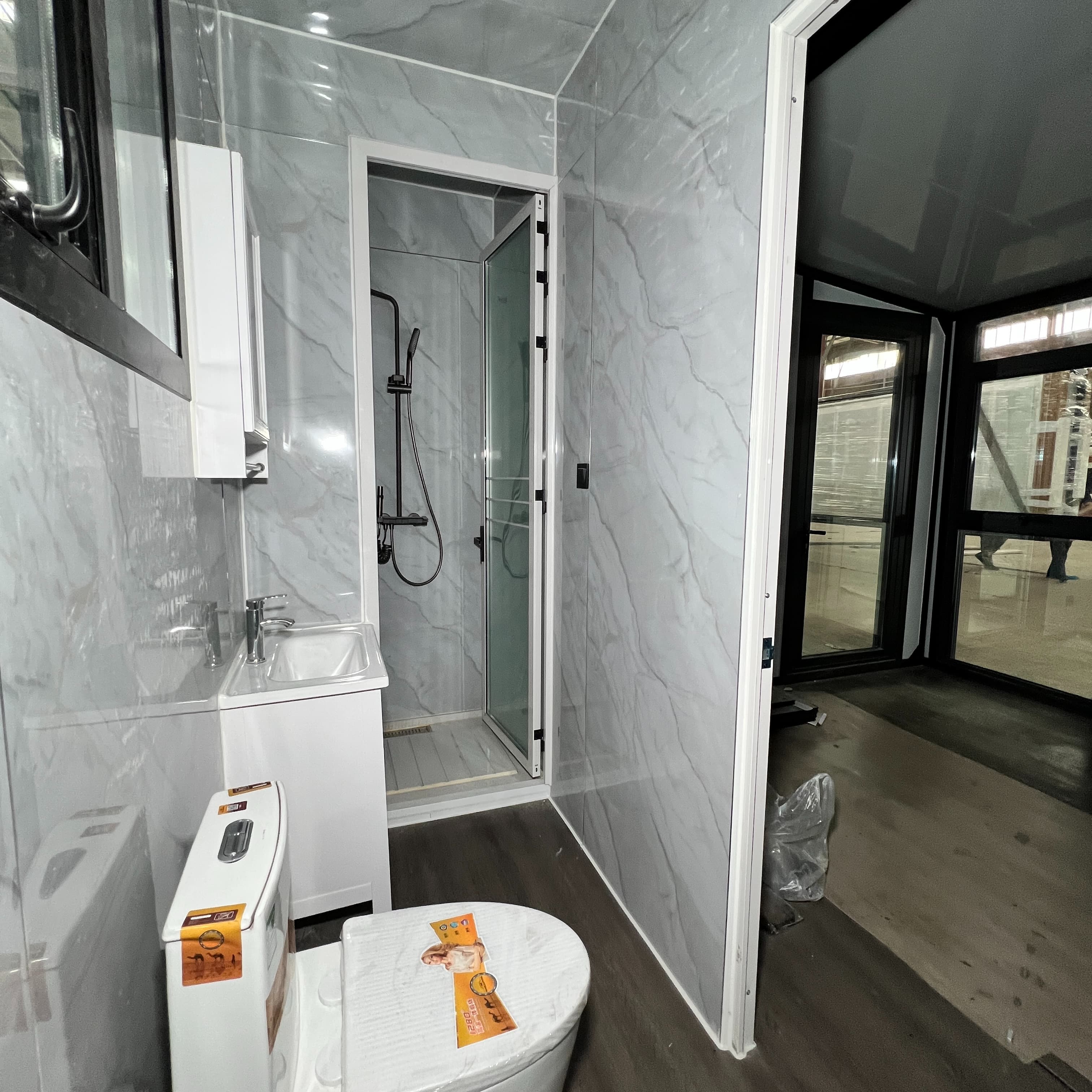
Bathrooms defy spatial limitations through:
– Wall-hung fixtures creating visual openness
– Frameless glass shower enclosures
– Vessel sinks with slim-profile vanities
– Heated towel racks doubling as space heaters
– Recessed medicine cabinets with integrated mirrors
– Wet-area wall panels eliminating grout maintenance
Living Area Dynamics
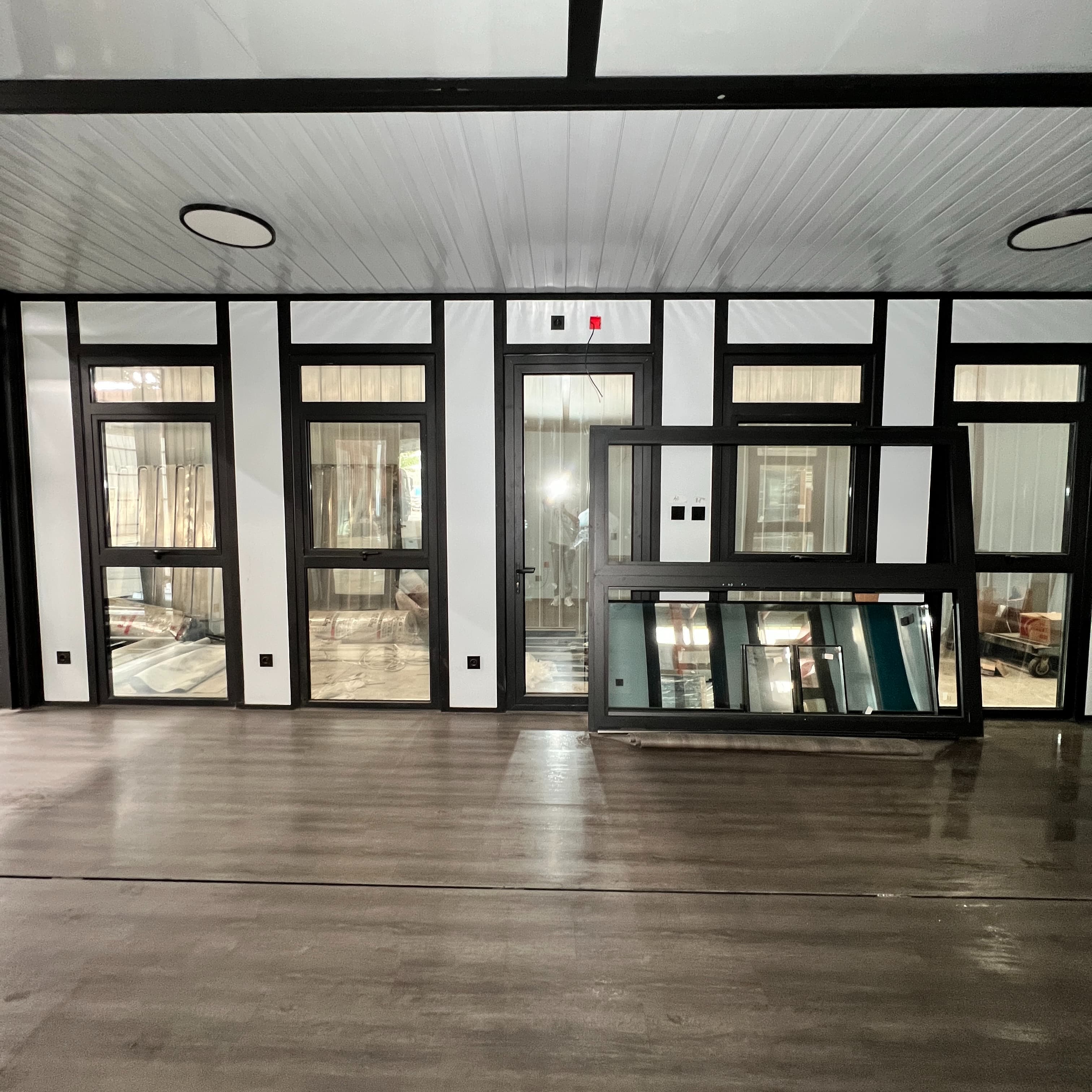
The open-plan living area adapts to multiple functions:
– Murphy beds converting day spaces to guest rooms
– Expandable dining tables seating 6-8 people
– Built-in sofas with storage compartments
– Drop-down projection screens for entertainment
– Fold-down desks creating workstations
– Sliding partitions for privacy when needed
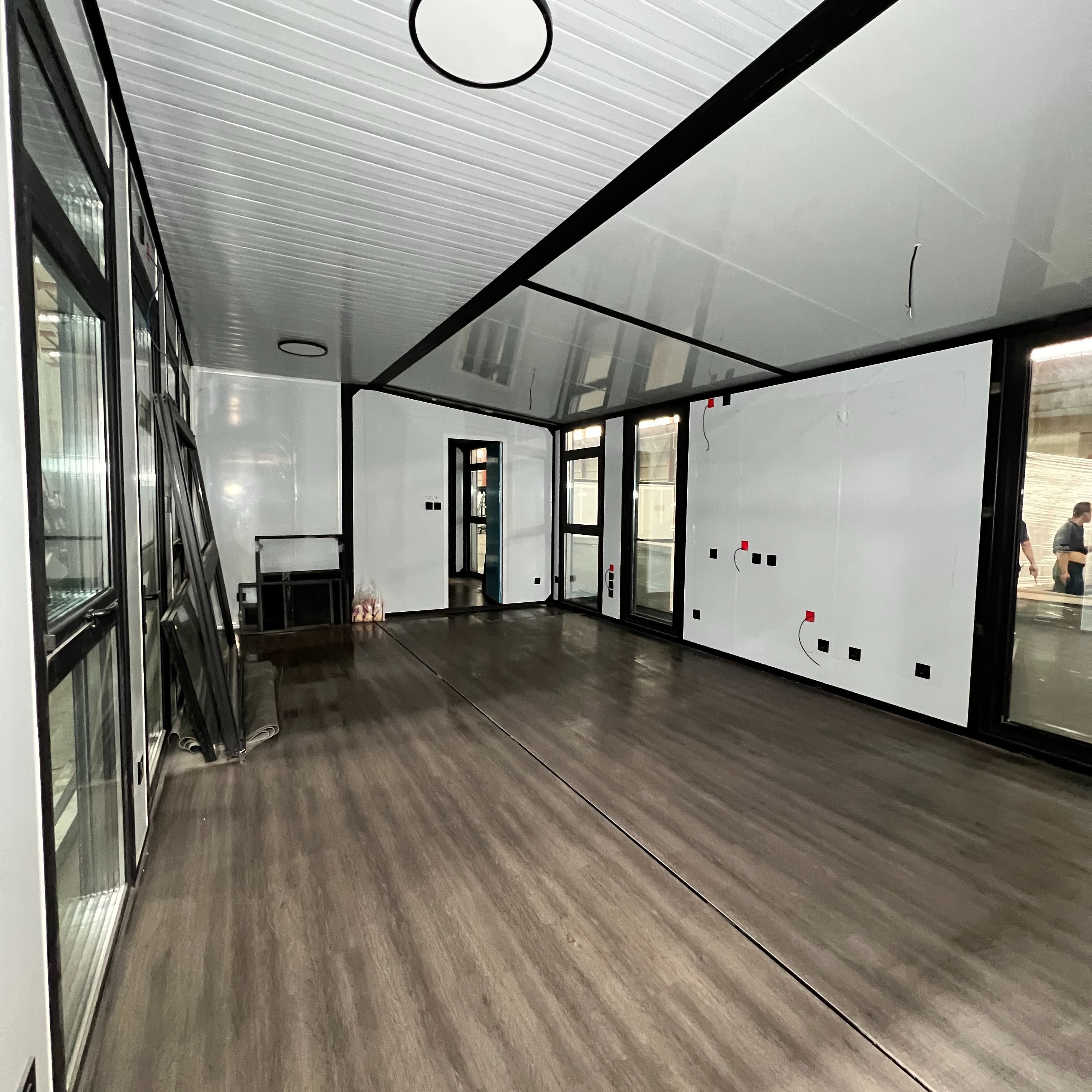
Deployment Advantages: Speed Meets Sustainability
Rapid Installation
Traditional construction timelines shatter against these modular systems:
– Factory completion: 85-95% of build process
– On-site deployment: 4-6 hours for single units
– Full occupancy: Same day as arrival
– Multi-unit complexes: 1-3 days for complete assembly
– Weather independence: Factory-controlled environment eliminates delays
This velocity makes them ideal for disaster relief scenarios – as demonstrated during Canadian wildfire evacuations – where housing solutions must deploy within hours, not months.
Environmental Credentials
These structures embody circular economy principles:
– 90%+ material recyclability at end-of-life
– 40% less embodied energy than stick-built structures
– Zero construction waste (all materials pre-cut in factory)
– FSC-certified wood and recycled steel components
– Low-VOC finishes and formaldehyde-free cabinetry
– Water-saving fixtures reducing consumption by 30%
Financial Intelligence
Cost analysis reveals compelling economics:
– 30-40% lower cost than traditional construction
– 60-70% faster project completion
– Reduced financing costs due to shorter timelines
– Depreciation advantages over conventional buildings
– Resale value retention through relocatability
– Lower insurance premiums for fire-resistant materials
Application Spectrum: Beyond Residential Use
Tourism & Hospitality
Canadian resort operators have embraced these units for:
– Glamping retreats in Banff and Jasper National Parks
– Lakeside cabins in Muskoka with minimal environmental impact
– Ski-in/ski-out accommodations in Whistler
– Vineyard guest suites in Okanagan Valley
– Coastal eco-lodges in Nova Scotia
Their aesthetic versatility allows customization to match any setting – from rustic mountain lodges to modern coastal escapes.
Commercial Applications
Beyond residential use, these structures serve:
– Pop-up retail spaces in Toronto’s Distillery District
– Construction site offices in Edmonton’s oil sands
– Mobile medical clinics in remote First Nations communities
– Event venues at Montreal’s festivals
– Research stations in Arctic environments
Emergency Response
When disaster strikes, these units become lifelines:
– Hurricane shelters in Atlantic Canada
– Wildfire evacuation centers in British Columbia
– Flood recovery housing in Quebec
– Pandemic isolation facilities in Ontario
– Search and rescue bases in mountainous regions
Customization Capabilities: Your Vision, Realized
The true power of these small container house plans with loft lies in their adaptability:
– Exterior finishes: Wood siding, metal panels, stucco, or living walls
– Color schemes: Custom RAL-matched paints for seamless site integration
– Window configurations: Floor-to-ceiling glass or strategically placed openings
– Roof options: Standard pitched or modern flat-top for green roof integration
– Accessibility features: Ramps, wider doorways, and ADA-compliant bathrooms
– Climate packages: Arctic insulation for northern territories or tropical ventilation
Case Study: Muskoka Lakes Retreat
A Toronto-based family commissioned a triple-unit complex for their lakefront property:
– Central unit: Double-wing with loft serving as main living space
– Flanking units: Single-wing guest suites with private balconies
– Connecting elements: Glass-enclosed walkways with heated floors
– Exterior: Cedar siding with charred accents (Shou Sugi Ban technique)
– Sustainability: 8kW solar array and rainwater harvesting system
– Outcome: Luxury accommodation completed in 8 weeks vs. 12 months traditionally
Regulatory Navigation: Compliance Simplified
While compact, these structures meet stringent requirements:
– CSA A277 certification for modular buildings
– National Building Code compliance across provinces
– BCIN (Building Code Identification Number) registered designs
– Structural engineering reports for permitting
– Transportation compliance for oversized loads
– Zoning adaptability for various land uses
Manufacturers typically provide complete documentation packages, streamlining approval processes that traditionally stall conventional projects for months.
Investment Considerations: Making Informed Decisions
Cost Factors
Pricing varies based on specifications:
– Base double-wing unit: CAD $65,000-$85,000
– Fully furnished turnkey: CAD $95,000-$120,000
– Custom premium packages: CAD $130,000+
– Delivery fees: Distance-dependent (typically CAD $3,000-$8,000)
– Site preparation: CAD $2,000-$15,000 depending on complexity
Long-Term Value
Ownership benefits include:
– 20-30 year structural lifespan with proper maintenance
– Relocatable assets retaining 70-80% resale value
– Potential rental income of CAD $1,200-$2,500/month
– Reduced property tax assessments in some jurisdictions
– Eligibility for green building incentives
Maintenance Mastery: Ensuring Longevity
Preserving your investment requires minimal effort:
– Annual hinge lubrication and seal inspection
– Bi-annual roof debris removal and gutter cleaning
– HVAC system servicing every 2 years
– Exterior finish touch-ups every 5-7 years
– Structural inspection every decade
Manufacturers typically provide comprehensive maintenance guides and service networks across Canada.
The Future of Compact Living
As housing affordability challenges persist globally, these double-wing expansion systems represent a paradigm shift. They demonstrate how compact engineering can transform industrial components into human-centered habitats without compromising quality, sustainability, or aesthetic appeal. For Canadians seeking alternatives to skyrocketing real estate prices, these small container house plans with loft offer not just shelter, but a reimagined relationship with space itself.
Whether nestled in the Rocky Mountains, perched on a Toronto rooftop, or serving disaster relief in remote communities, these adaptable structures prove that thoughtful design can create extraordinary living experiences within ordinary containers. They embody the Canadian spirit of resourcefulness – turning practical constraints into opportunities for innovation.
Conclusion: Your Compact Living Journey Begins
The 40-foot double-wing expansion container house with loft stands as more than just architectural novelty – it’s a practical solution for modern housing challenges. Its ability to deploy rapidly, adapt to diverse environments, and provide genuine comfort within a compact footprint makes it ideal for anyone seeking efficient, sustainable living.
As we’ve explored, these systems excel in residential, commercial, and emergency applications while offering customization that reflects personal style. For Canadians particularly, they represent an intelligent response to urban density, rural housing shortages, and environmental stewardship.
When considering your next housing project – whether a primary residence, vacation retreat, or investment property – explore how these engineered habitats might transform your vision into reality. The future of compact living has arrived, and it’s more spacious, sustainable, and sophisticated than ever before.
For pricing and lead times, contact Jack at jack@huayinghouse.com or WhatsApp +86 153-0318-4505.