
Off-grid modified container homes are one of the most searched container house topics this year, and for good reason: a shipping container starts as a watertight steel box, so turning it into a self-powered home is a smaller job than building from scratch. This guide covers what a modified off-grid container home really costs from factory to finished site, the solar and water systems you need to budget for, and the compliance checks that vary by country.
What Counts as an Off-Grid Modified Container Home?
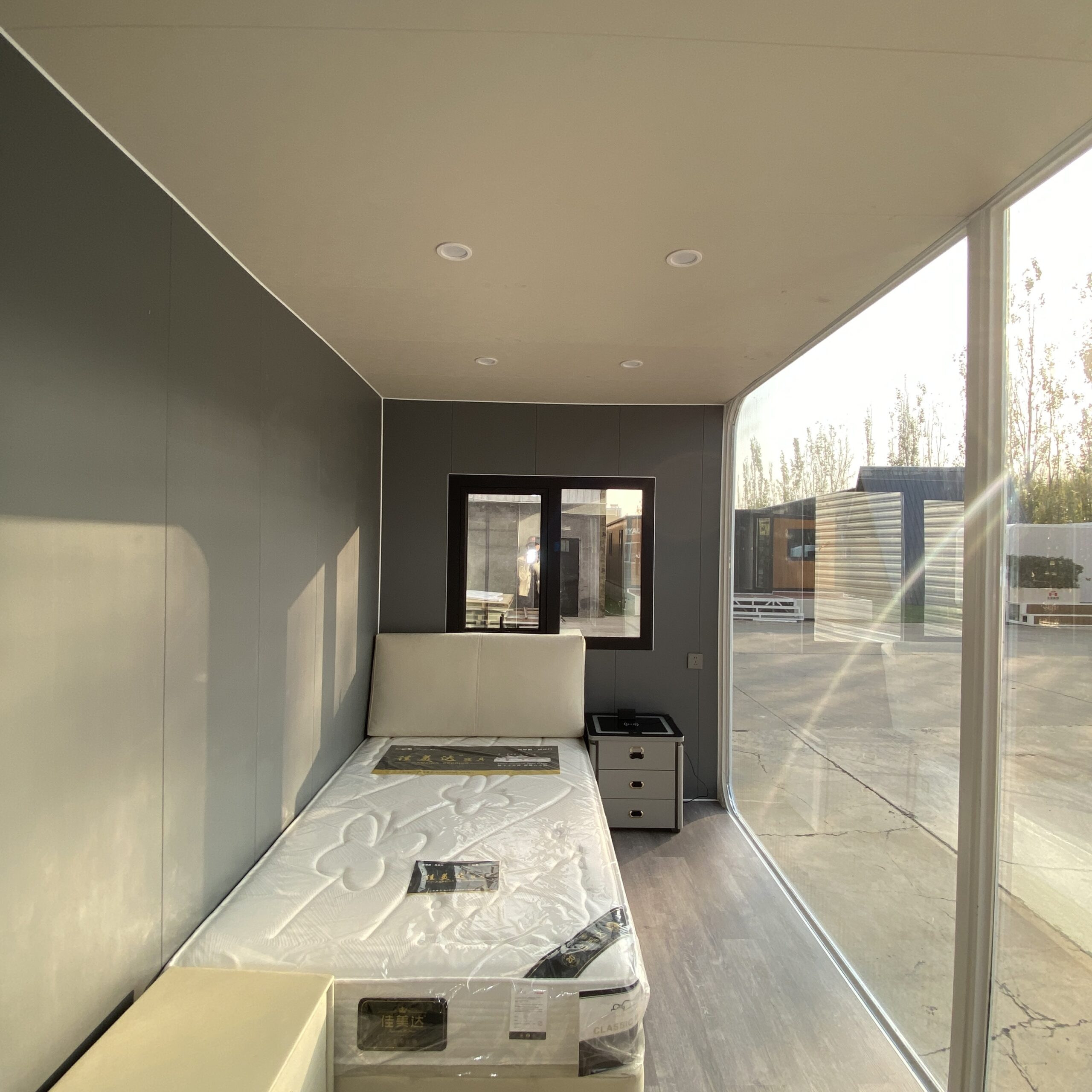
A modified container home goes beyond a bare steel box. The factory (or a local builder) cuts openings for doors and windows, insulates the walls, runs electrical and plumbing lines, and installs a kitchen and bathroom core. An off-grid setup then adds the systems that let the home run without mains connections:
- Solar array with battery storage for electricity
- Water tanks with filtration or rainwater catchment
- Composting toilet or sealed black-water system
- Gas or induction cooking, with LPG storage where needed
- Heating or cooling sized for the local climate
Buyers usually choose between two routes. The first is a factory-finished unit: the container arrives as a complete home with openings and utilities pre-installed, and you add solar and water on site. The second is buying a bare or one-trip container and modifying it locally, which gives full control over layout but takes longer and depends on local labor quality.
FOB-to-Landed Cost Breakdown for an Off-Grid Modified Container Home
Factory-finished expandable container homes from China are the most cost-effective option for most buyers. The table below shows a realistic 2026 cost chain for a 20ft and a 40ft unit, based on HUAYING’s ex-works pricing and typical freight and taxes for a North American or Australian delivery. Adjust the duty and tax lines for your own country.
| Cost Item | 20ft Expandable (USD) | 40ft Expandable (USD) | Notes |
|---|---|---|---|
| FOB factory price | 8,500 – 11,000 | 15,000 – 20,000 | Ex-works Tianjin, sea-worthy packing, kitchen/bath core included |
| Sea freight (port to port) | 2,200 – 3,400 | 3,200 – 4,800 | 40HQ container or LCL; rates vary by route and season |
| Import duty | 0 – 25% of CIF | 0 – 25% of CIF | 0% under ChAFTA (AU) or China-ASEAN FTA; 25% Section 301 (US); 2.7% EU common tariff |
| VAT / GST | 5 – 23% | 5 – 23% | 10% GST in Australia, 5%+state in Canada, 21% VAT in Spain/Italy |
| Port handling, customs, local trucking | 600 – 1,300 | 900 – 1,800 | Broker fees, port charges, low-loader delivery |
| Foundation and site prep | 1,500 – 4,000 | 2,500 – 6,000 | Concrete pads, piers, or screw piles; varies with soil |
| Solar + battery system (3–6 kW) | 4,000 – 9,000 | 6,000 – 12,000 | Panels, inverter, LiFePO4 battery, wiring, installation |
| Water system (tank, pump, filter) | 1,200 – 3,000 | 1,800 – 4,000 | Rainwater tank or pressurized supply |
| Installation and fit-out on site | 1,500 – 4,000 | 2,500 – 6,000 | Crane hire, connections, finishing touches |
| Total landed, off-grid ready | USD 21,000 – 36,700 | USD 35,000 – 58,600 | Excludes permits and land |
Two figures stand out. First, the solar and battery package is often 20–30% of the total build, so get three quotes and size the system to your real usage rather than an installer’s default. Second, duty and VAT alone can add several thousand dollars, so confirm the correct HS code (9406.00 for prefabricated buildings) and any free-trade agreement before you order.
Country-Specific Compliance for Off-Grid Container Homes
Australia
Container homes fall under the NCC 2022 (National Construction Code). Most local councils treat a habitable container home as a Class 1a building, which means it needs a building permit and must meet energy-efficiency requirements. Imported units benefit from the 0% ChAFTA duty on HS 9406.00, but GST at 10% applies on the CIF value. Off-grid setups must comply with AS/NZS 3000 for electrical work and the relevant plumbing code; many rural councils accept septic or composting toilet systems under local health regulations. For short-stay or farm use, check whether a temporary occupation permit is available before investing in a full permit.
United States
Chinese-made container homes face a 25% Section 301 tariff on top of the standard 1.1% MFN rate, which is why the landed price in the US is noticeably higher than in Australia or ASEAN markets. Building code compliance is local: the IRC or IBC applies in most states, and jurisdictions like California require Title 24 energy standards and a HUD/ADU classification for accessory units. Off-grid homes must also meet local electrical and plumbing inspections, and some counties restrict full-time occupancy without a certified septic system. Check with the county building department before buying; the permit path is usually the deciding factor.
UK and Europe
The EU common external tariff on HS 9406.00 is 2.7% for units from China, with national VAT on top (20% UK, 21% Spain, 22% Italy, 23% Ireland). Since 1 July 2026, container homes sold in the EU need a CE mark under the Construction Products Regulation, with fire and structural performance documentation (EN 16034 where relevant) supplied by the factory – ask your supplier for the DoP (Declaration of Performance) before ordering. In the UK, a container home used as permanent residence requires planning permission and must meet Building Regulations Part L (energy), Part F (ventilation) and Part P (electrical).
Key Systems to Budget For
Solar and Battery
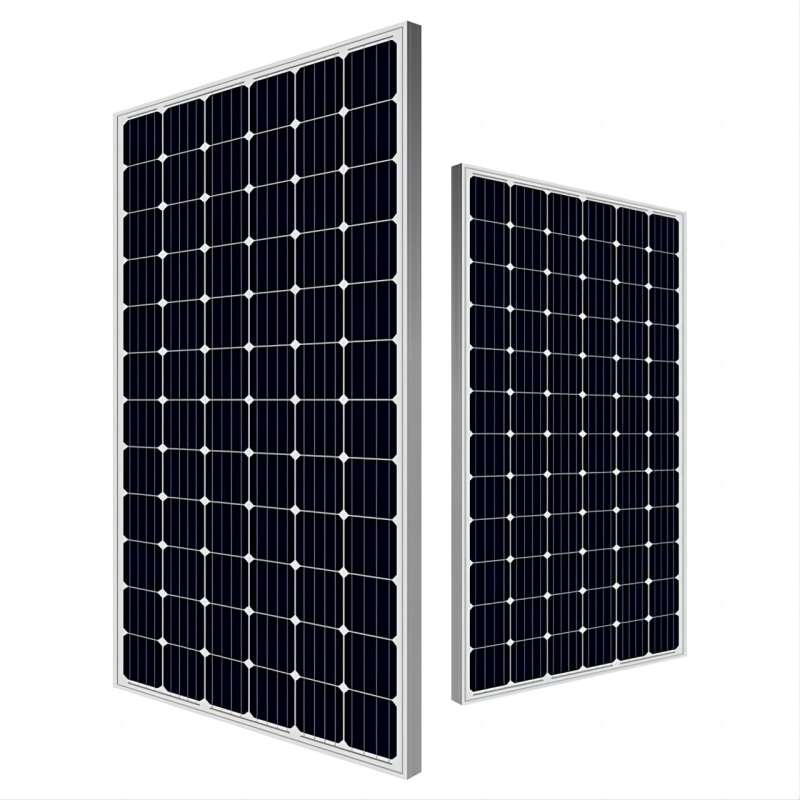
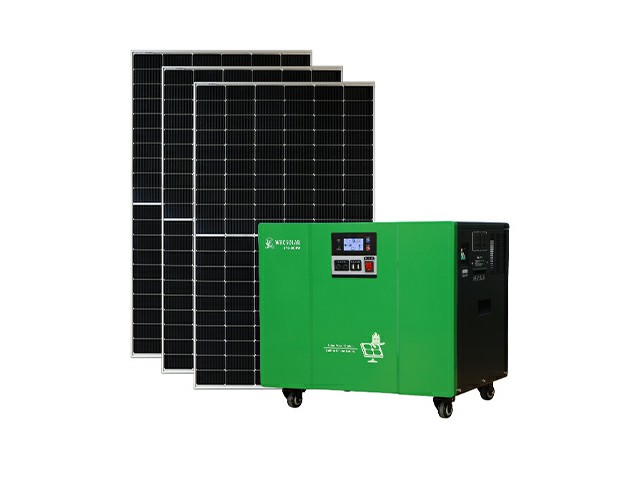
A practical off-grid system for a 20ft unit is 3–4 kW of solar with 10–15 kWh of LiFePO4 battery storage. This covers lights, a fridge, a laptop, a water pump and modest appliance use in most climates. A 40ft unit with air conditioning needs 6–8 kW and 20–30 kWh, especially in tropical or desert regions. Use a hybrid inverter with generator input so you have a fallback for consecutive overcast days.
Water and Sanitation
Rainwater catchment with a 2,000–5,000 L tank is the standard approach in rural Australia and many island locations. Fit a sediment filter and UV disinfection for drinking water. For sanitation, a composting toilet avoids the cost of a septic field and is legal in most off-grid areas, while a sealed black-water tank with pump-out is required in some jurisdictions.
Heating, Cooling and Insulation
Steel conducts heat quickly, so insulation quality matters more than the brand of the unit. Look for closed-cell foam or sandwich-panel walls with an R-value appropriate to your climate zone (R-14–22 in cold regions). This keeps heating and cooling loads small enough that a modest solar system can cover them.
Common Mistakes When Buying Off-Grid Container Homes
- Underestimating the permit process. The container itself is the cheapest part; the permit, foundation and services often cost more than the unit. Confirm the path to occupancy before you pay.
- Skipping the wiring and plumbing spec. Factory units ship with the internal electrical core complete, but the site connection (inverter, isolator, water hookup) is your responsibility. Ask the factory for a single-line diagram and a materials list so your local electrician can sign off quickly.
- Buying on FOB price alone. Two suppliers can quote the same FOB number but ship different insulation, door quality and window glazing. Ask for a full specification sheet and compare the landed cost, not the ex-works price.
- Oversizing or undersizing solar. Size the system to winter usage, not summer. A system that works in July will not run a heater in January.
How to Get a Factory-Direct Quote
HUAYING manufactures expandable and modified container homes in China and ships worldwide from Tianjin port. To get a complete FOB-to-landed cost breakdown for your location, contact jack@huayinghouse.com or WhatsApp +86 153-0318-4505. Include your country, site conditions, and whether you plan to run fully off-grid or with a grid backup – that lets us quote the right solar and insulation package.
FAQ
How much does an off-grid container home cost in 2026?
A factory-finished 20ft expandable unit costs roughly USD 21,000–36,000 fully landed with solar, water and installation, depending on your country’s duty and VAT. A 40ft unit runs USD 35,000–58,000. The FOB price is typically 40–50% of the final figure.
Can a container home be fully off-grid?
Yes. With a 3–6 kW solar array, battery storage, rainwater catchment and a composting toilet, a container home can operate without mains power, water or sewer. The main constraints are local building and health codes, not the technology.
How long does an off-grid container home last?
A corten steel container with proper exterior coating lasts 25–50 years. The off-grid components (inverter, battery, pump) have shorter lives – typically 8–15 years for batteries – and are the main ongoing cost.
Do I need planning permission for an off-grid container home?
In almost every country, yes, if the unit is used for permanent habitation. Australia requires a Class 1a building permit under the NCC; the US requires local building code compliance; the UK requires planning permission and Building Regulations. Always confirm with your local authority before purchase.
What is the difference between a modified container and an expandable container home?
A modified container is a standard shipping container cut and fitted out on site or at a workshop. An expandable container home is a factory-built unit that folds down for shipping and expands to 2–3 times its transport width on site. Expandable units are faster to install and better insulated; modified containers are cheaper and fully customizable.
Can I install the solar system myself?
You can install panels and racking yourself, but grid-connecting or certifying battery systems usually requires a licensed electrician. In Australia, AS/NZS 3000 work must be done by a qualified electrician; the same applies in most US states and EU countries.