
摘要: Discover how Australia’s innovative 20-foot customized double-wing expansion container house is transforming modern living with its rapid deployment, eco-friendly materials, and versatile applications for residential, commercial, and emergency scenarios.
In the ever-evolving landscape of sustainable architecture, Australia emerges as a pioneer with its groundbreaking approach to modular living. The modern expandable container house design represents not just a structural innovation but a paradigm shift in how we conceptualize living spaces. Today, we’re exploring a revolutionary product that’s redefining portable housing – the 20-foot customized double-wing expansion container house that’s making waves from Sydney’s urban developments to the rugged outback.
The Genesis of Double-Wing Expansion Architecture
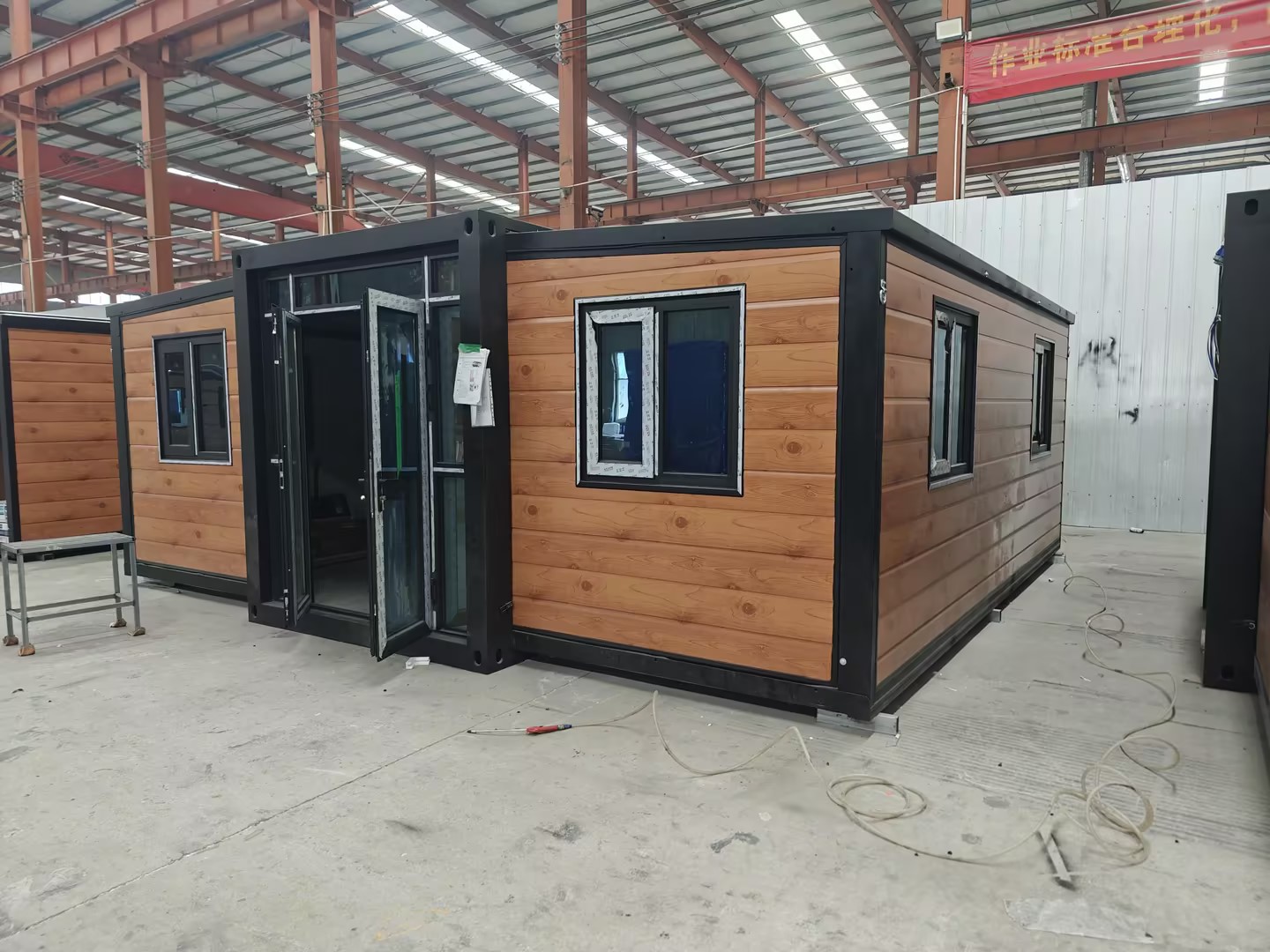
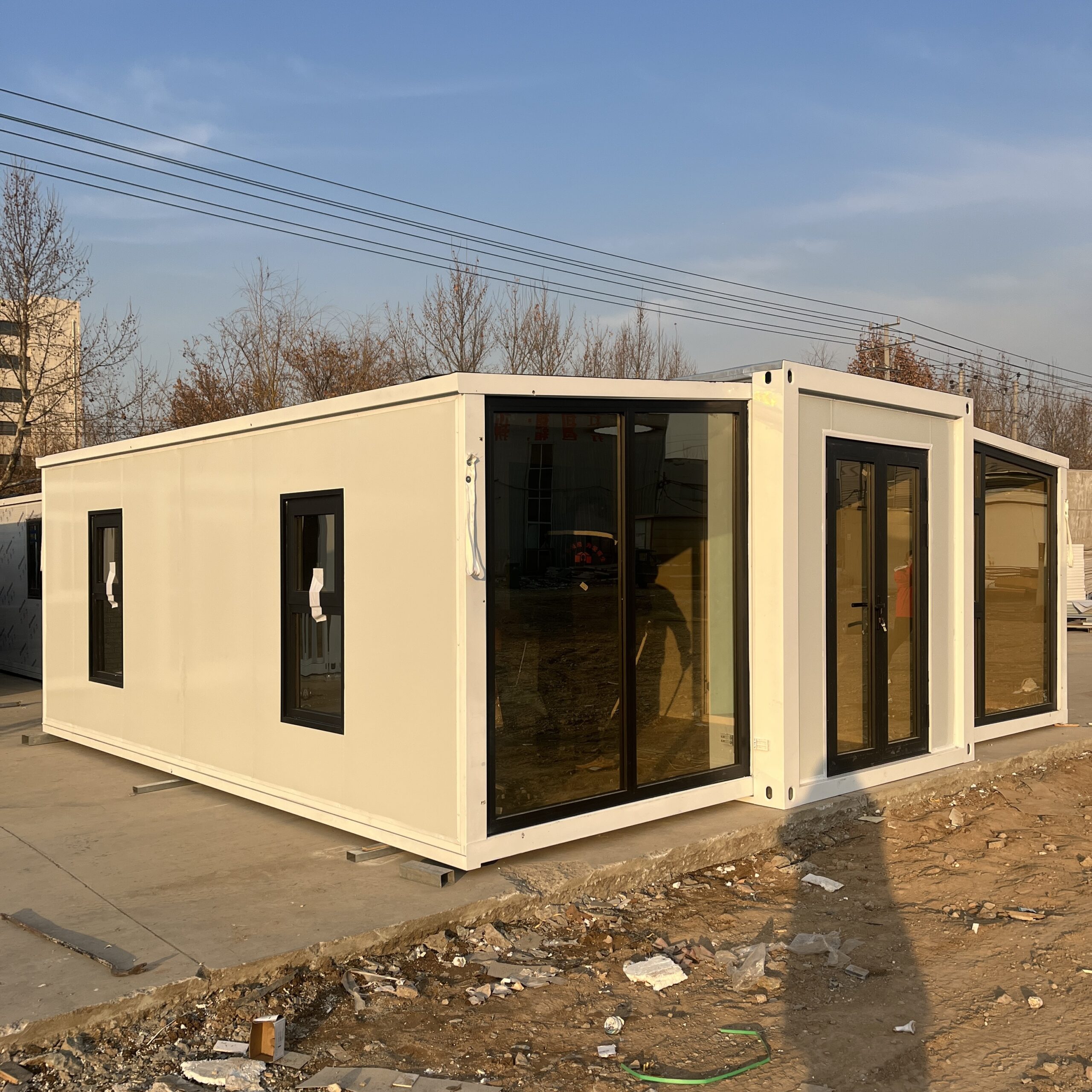
Imagine a structure that transforms at the push of a button, expanding like wings to create a spacious living environment from a compact transportable unit. This isn’t science fiction but reality in Australia’s architectural scene. The double-wing expandable container house draws inspiration from both nature and necessity – mimicking the efficiency of a bird’s wingspan while addressing modern demands for sustainable, adaptable housing solutions.
What sets this design apart is its ingenious transformation mechanism. During transport, the unit maintains standard container dimensions (W2200L5900H2480mm), easily fitting on trucks or ships. Yet upon arrival, its “wings” unfold to nearly triple the usable space (W6340L5900H2480mm), creating a comfortable living area that rivals traditional constructions in both functionality and aesthetics.
Engineering Marvel: Core Features Redefined
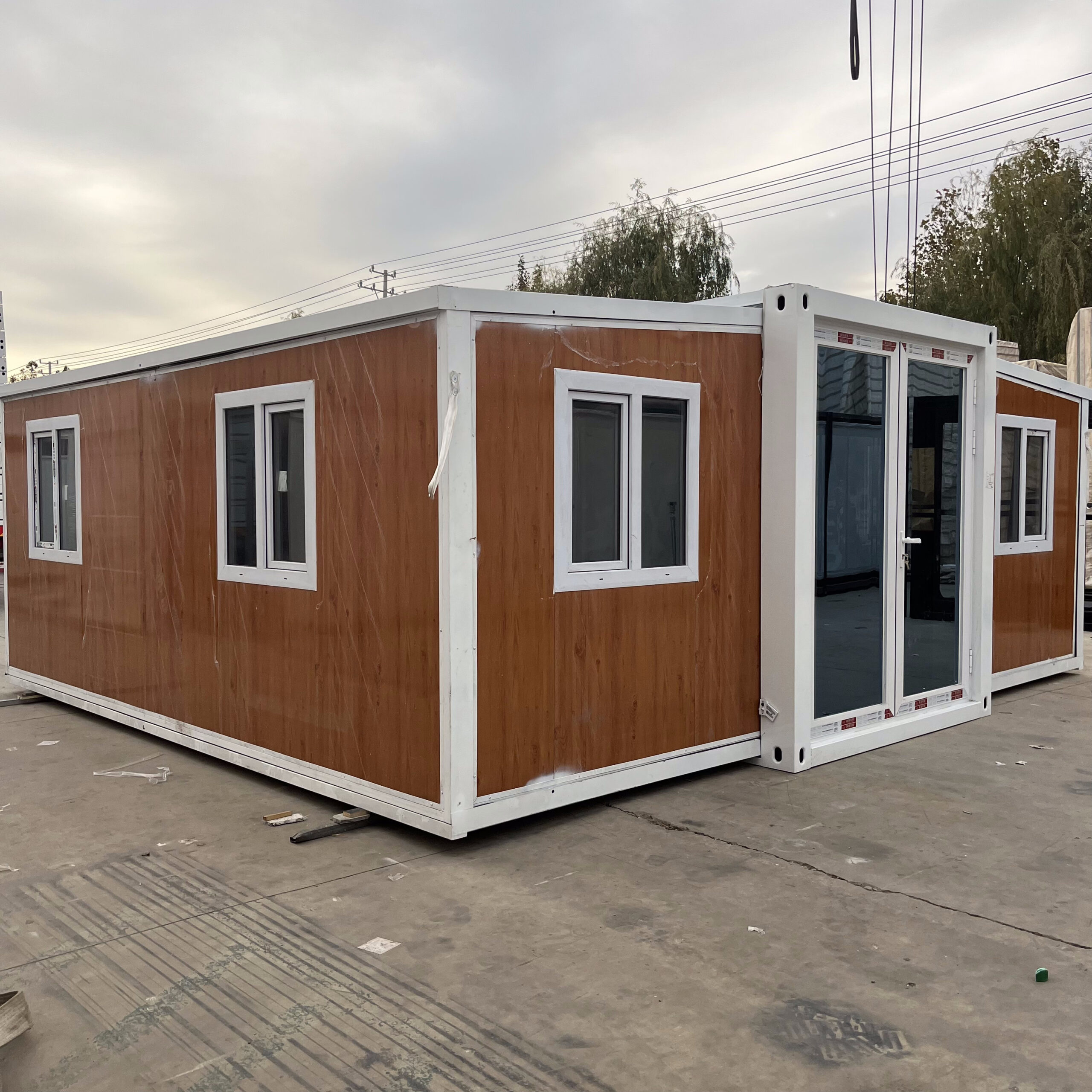
At the heart of this innovation lies sophisticated engineering that balances strength, flexibility, and efficiency. The structural framework employs hot-dip galvanized steel or advanced carbon fiber composites, providing exceptional durability while maintaining portability. This isn’t merely a shipping container repurposed – it’s a purpose-built architectural system designed for modern living.
Space transformation is the most striking feature. When folded, the unit presents a compact profile perfect for transport. Once deployed, the wings extend smoothly, increasing floor area by 70-80% – effectively turning a single container into a multi-room dwelling. This metamorphosis creates versatile layouts from one-bedroom apartments to office spaces, all within minutes of arrival on-site.
Materials That Define Modern Sustainability
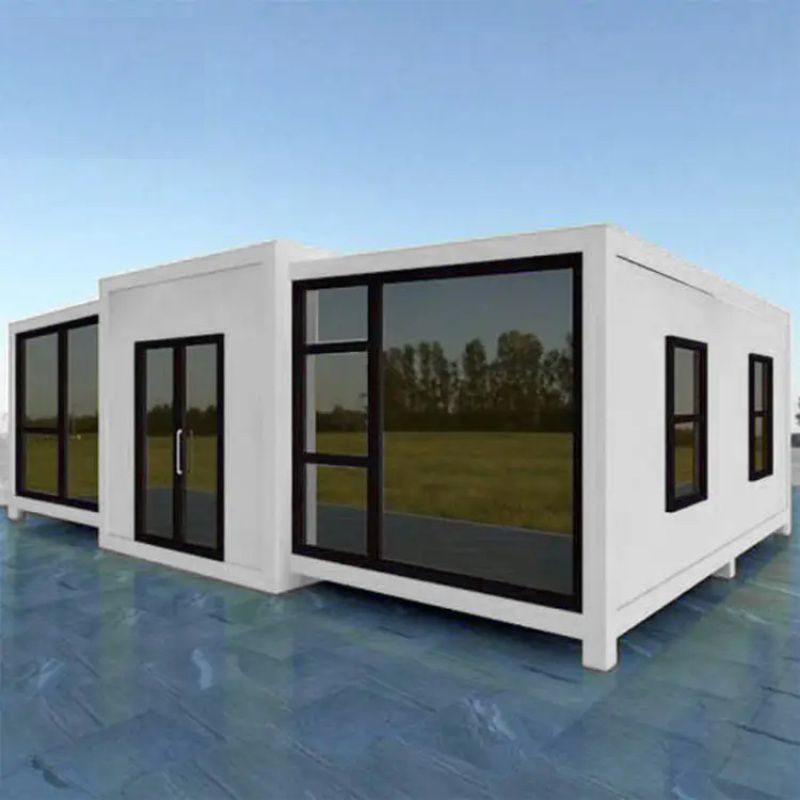
Australia’s commitment to sustainable building practices shines through in the material selection for these expandable homes. The structure combines lightweight yet robust galvanized steel frames with high-performance insulation materials. Polyurethane and rock wool panels provide exceptional thermal efficiency, reducing energy consumption by up to 40% compared to conventional buildings.
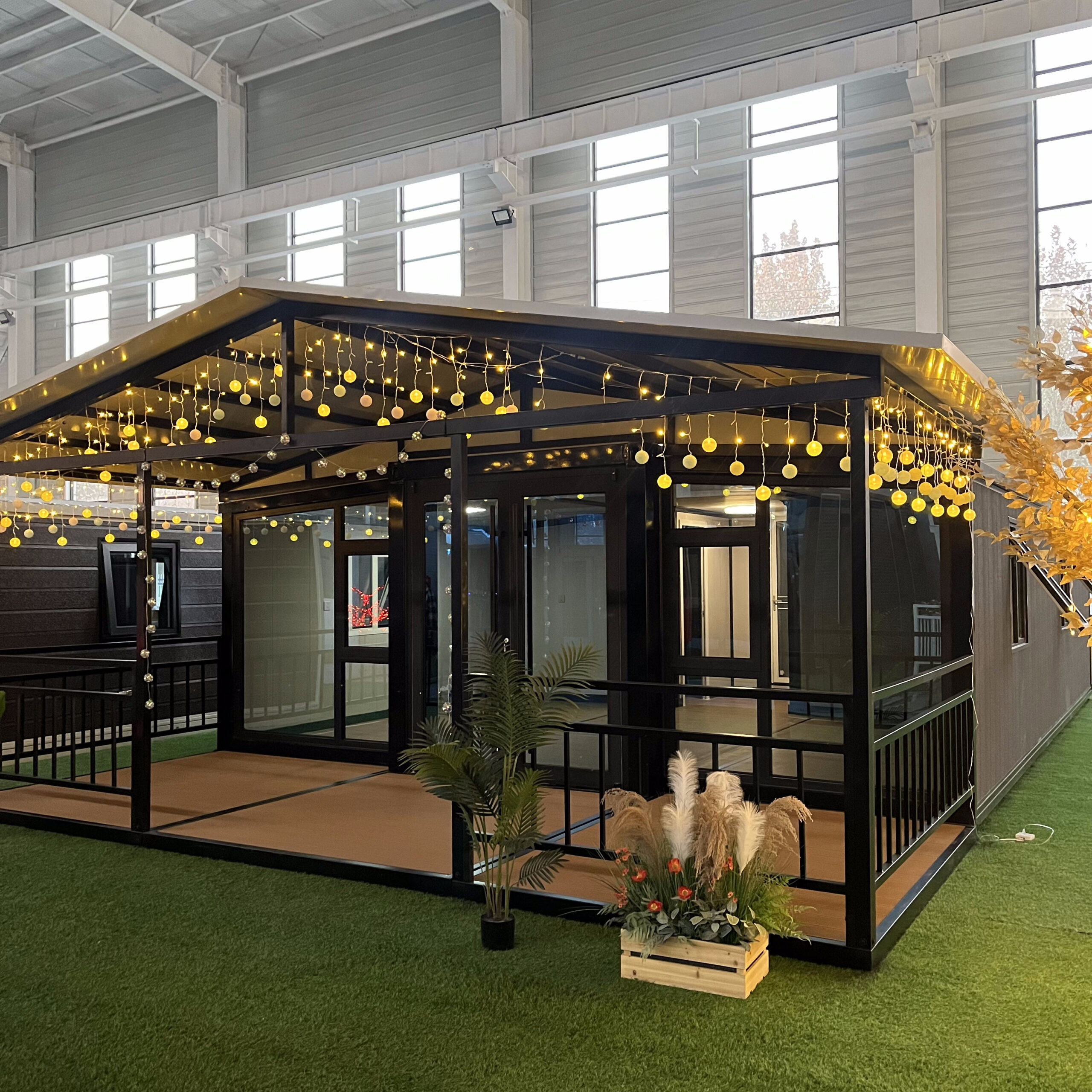
The exterior finishes showcase remarkable versatility – from sleek minimalist designs in Melbourne’s urban settings to rustic wood-grain textures perfect for Queensland’s coastal retreats. Advanced waterproofing techniques ensure seamless connections between panels, while double-glazed Low-E windows offer both insulation and panoramic views of Australia’s diverse landscapes.
Smart Integration for Modern Living
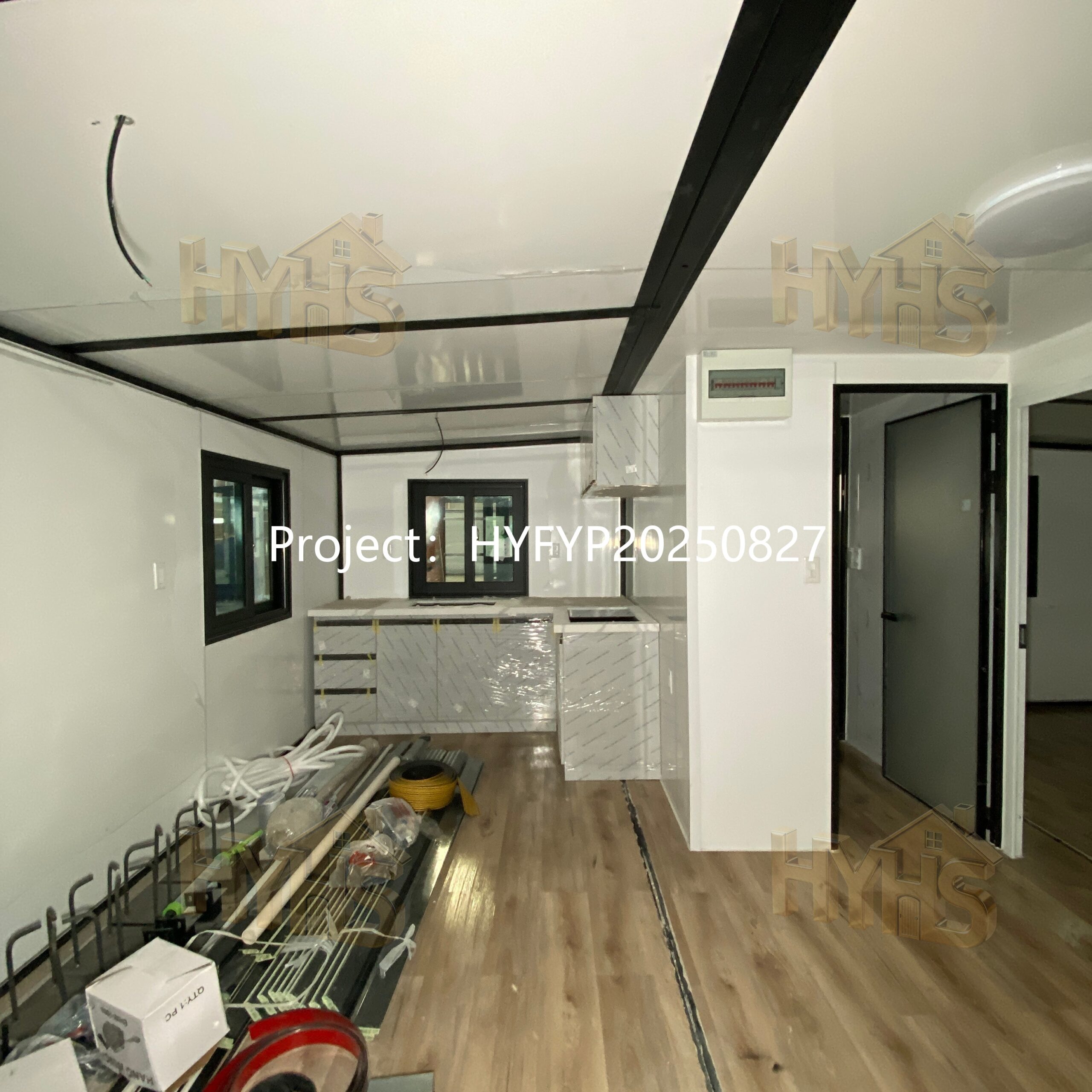
Step inside, and you’ll discover a world where technology meets comfort. The factory-prefabrication process integrates 85% of all systems before delivery, including:
- Complete electrical wiring with smart home capabilities
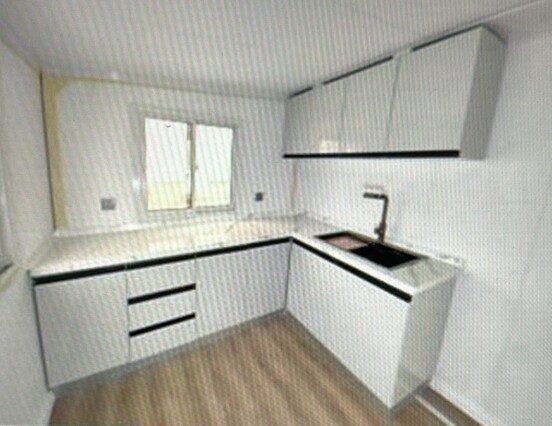
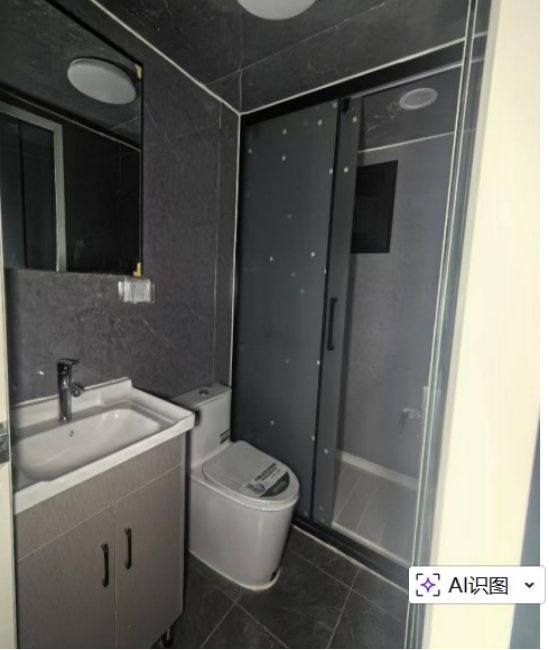
- Plumbing systems for kitchens and bathrooms
- Climate control solutions optimized for Australian weather extremes
- Customizable lighting schemes enhancing both functionality and ambiance
The open-plan design eliminates unnecessary columns, maximizing usable space to over 90% efficiency. Whether configured as a studio, one-bedroom unit, or even a loft-style arrangement, the interior adapts to diverse needs while maintaining a sense of spaciousness that defies the container’s origins.

Unparalleled Advantages for Australian Conditions
What makes these expandable container houses particularly suited to Australia’s unique challenges and opportunities? Let’s examine their standout benefits:
Rapid Deployment: From Transport to Living in Hours
In a country where time is often as valuable as resources, the deployment speed of these units is revolutionary. Unlike traditional constructions that take months, a double-wing container home can be fully installed and habitable within hours of delivery. The factory-completed modules (95% pre-fabricated) require only on-site positioning and connection to utilities.
This speed transforms project timelines across Australia – from emergency housing in bushfire-affected regions to pop-up accommodations during major events in cities like Perth or Adelaide. The minimal foundation requirements (often just simple pads or adjustable feet) further accelerate the process while preserving natural landscapes.
Mobility: Living Without Geographic Constraints
Australia’s vast geography demands flexible housing solutions. These expandable containers excel in mobility, designed for repeated relocation without structural compromise. Whether moving between mining sites in Western Australia or seasonal tourism locations in Tasmania, the units maintain integrity through multiple relocations.
Their adaptability to diverse terrains – from sandy beaches to rocky outcrops – makes them ideal for Australia’s varied landscapes. As temporary structures, they often face simplified permitting processes, though regulations vary between states and territories. This mobility also appeals to Australia’s growing “digital nomad” community seeking base camps in remote natural settings.
Environmental Stewardship: Green Building Principles in Action
Australia’s harsh climate makes energy efficiency paramount. The expandable container houses incorporate advanced insulation that significantly reduces heating and cooling demands. Polyurethane foam insulation provides exceptional thermal resistance, while Low-E windows minimize solar heat gain in Australia’s intense sunshine.
The sustainability credentials extend beyond energy efficiency:
- 90%+ recyclable steel structure
- Low-VOC interior finishes promoting healthy indoor air quality
- Water-efficient fixtures suitable for Australia’s drought-prone regions
- Optional solar integration for off-grid capabilities in remote areas
Resilience: Built for Australia’s Extremes
Australian conditions demand exceptional durability. These expandable containers are engineered to withstand:
- Cyclonic winds (rated for Category 2-3 in northern regions)
- Seismic activity (up to Richter scale 8)
- Extreme temperature variations from desert heat to alpine cold
- Corrosion-resistant treatments for coastal environments
The structural integrity comes from hot-dip galvanized steel framing that resists Australia’s corrosive coastal air and termite threats common in northern areas. This robust construction ensures a 20-30 year lifespan with minimal maintenance – a crucial factor for remote deployments where service access is limited.
Economic Efficiency: Smart Investment in Australian Property
When comparing costs, these expandable containers present compelling economics:
- 30-40% lower overall costs than traditional construction
- 60-70% faster completion time accelerating return on investment
- Reduced labor expenses due to factory prefabrication
- Modular design allowing phased expansion as needs grow
For Australian property investors, these units offer versatile income streams – from short-term vacation rentals in tourist hotspots like the Gold Coast to worker accommodations in resource sectors. The ability to relocate and repurpose provides long-term flexibility that static constructions cannot match.
Versatile Applications Across Australian Contexts
The true genius of these expandable containers lies in their adaptability to diverse Australian scenarios. Let’s explore how they’re transforming various sectors:
Residential Innovation: Beyond Traditional Housing
In Australia’s competitive housing market, these units offer affordable alternatives without sacrificing quality or aesthetics. They’re particularly popular as:
- First homes for young Australians in cities like Melbourne and Brisbane
- Granny flats providing multigenerational living solutions
- Holiday homes in coastal regions from New South Wales to Victoria
- Sustainable retreats in ecotourism destinations like Kangaroo Island
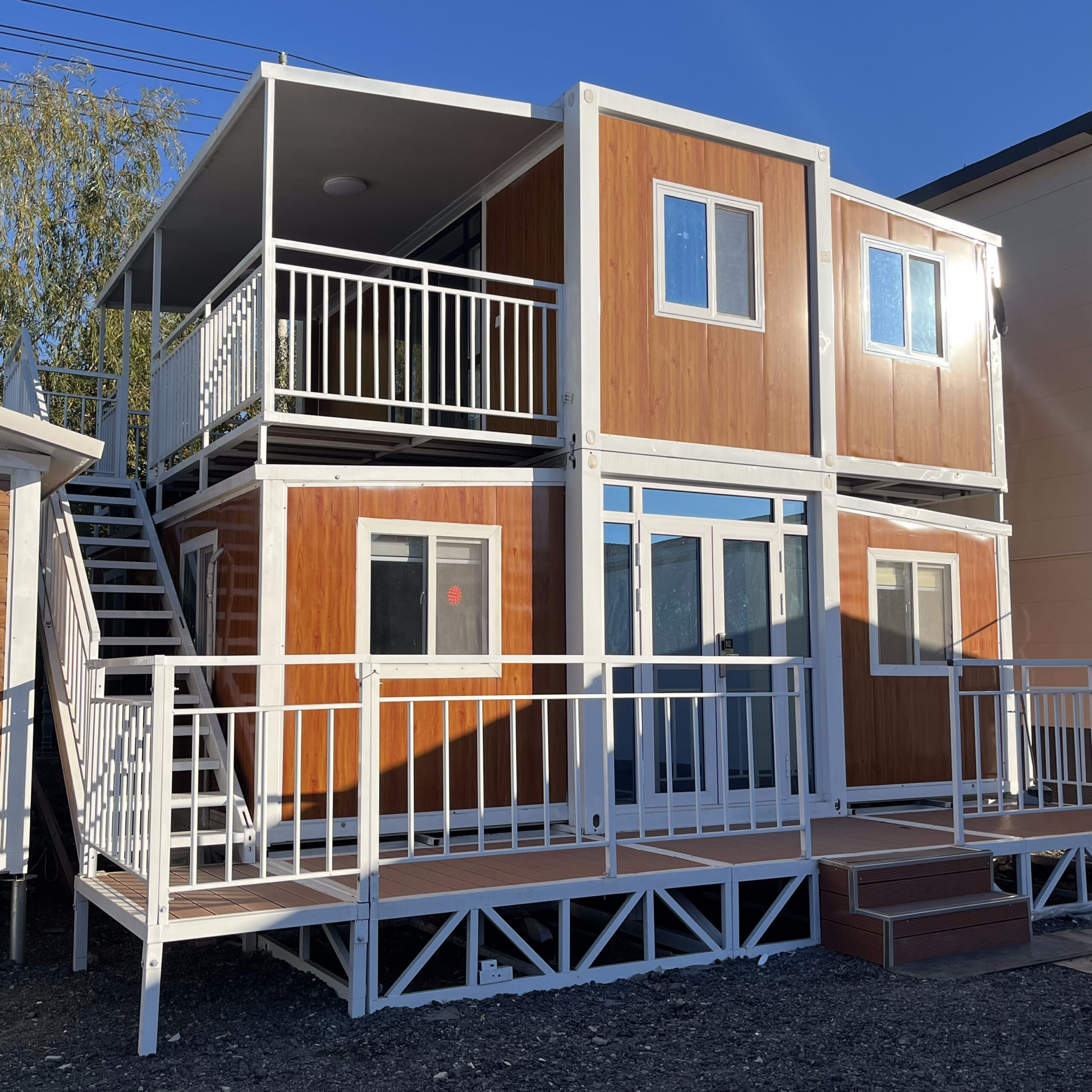
Customization options allow homeowners to express personal style while optimizing functionality. From minimalist urban designs to rustic bush cabins, each unit reflects its owner’s vision while maintaining structural integrity and efficiency.
Commercial Agility: Business Spaces That Adapt
Australian businesses increasingly value flexibility in their physical spaces. These expandable containers serve as:
- Pop-up retail stores in high-footfall areas like Sydney’s Circular Quay
- Mobile offices for construction sites across the Nullarbor Plain
- Event hospitality spaces during festivals in Byron Bay or Margaret River
- Remote research stations in Australia’s vast outback regions
The ability to brand exteriors and configure interiors specifically for commercial purposes makes these units powerful marketing tools. Their mobility allows businesses to test new markets without long-term lease commitments – a significant advantage in Australia’s dynamic commercial landscape.
Emergency Response: Rapid Deployment When Every Minute Counts
Australia’s susceptibility to natural disasters makes emergency housing critical. These expandable containers excel as:
- Immediate shelter after bushfires in Victoria or New South Wales
- Mobile medical clinics during flood responses in Queensland
- Command centers for disaster management coordination
- Temporary school facilities while permanent buildings undergo reconstruction
Their rapid deployment capability – often operational within hours of arrival – addresses the critical gap between disaster occurrence and traditional aid response. The units’ durability ensures they can withstand harsh conditions while providing safe, comfortable shelter during recovery periods.
Tourism Innovation: Unique Accommodations in Spectacular Settings
Australia’s tourism industry thrives on unique experiences. These expandable containers enable:
- Glamping retreats in the Kimberley region with minimal environmental impact
- Wine country accommodations in Barossa Valley or Margaret River
- Coastal eco-lodges along the Great Ocean Road
- Outback experience centers near Uluru with off-grid capabilities
Their ability to be placed in environmentally sensitive areas with minimal disruption makes them ideal for Australia’s ecotourism sector. The customizable designs allow operators to create distinctive accommodations that complement rather than compete with natural surroundings.
Customization: Where Australian Creativity Meets Engineering
One of the most compelling aspects of these expandable containers is their customization potential. Australian clients have embraced this flexibility, creating spaces ranging from ultra-modern urban dwellings to rustic bush retreats. Let’s explore the customization dimensions:
Architectural Expression: Beyond the Container Aesthetic
While some clients appreciate the industrial chic of exposed container elements, many opt for complete exterior transformations:
- Wood-grain finishes perfect for rainforest settings in Queensland
- Corrugated metal panels reflecting Australia’s rural heritage
- Modern glass facades maximizing views in coastal locations
- Stone-look cladding blending with outback environments
The modular nature allows for creative combinations of materials, colors, and textures. Some Australian clients have even incorporated indigenous art motifs into exterior designs, creating culturally significant architectural statements.
Interior Design: Personalized Living Spaces
Inside, the possibilities are equally extensive. Australian interior designers have created spaces ranging from minimalist Scandinavian-inspired layouts to warm, bohemian retreats. Popular customization options include:
- Loft configurations creating distinct sleeping and living zones
- Kitchen designs from compact functional spaces to gourmet setups
li>Bathroom configurations including luxurious wet rooms
li>Integrated storage solutions maximizing space efficiency
The ability to specify finishes, fixtures, and layouts ensures each unit reflects its owner’s lifestyle and aesthetic preferences while maintaining structural integrity and efficiency.
Your browser does not support the video tag.
Functional Specialization: Purpose-Built Solutions
Beyond aesthetics, many Australian clients require specialized functional configurations:
- Home offices with enhanced connectivity and ergonomic design
- Art studios with optimized lighting and storage
li>Accessible designs for aging-in-place or disability accommodation
li>High-security configurations for remote valuable storage
The engineering team works closely with clients to develop solutions that meet specific needs while maintaining the expandable container’s core advantages of speed, mobility, and efficiency.
Practical Considerations for Australian Adoption
While these expandable containers offer remarkable benefits, prospective Australian owners should consider several practical factors:
Regulatory Navigation: Understanding Australian Requirements
Building regulations vary across Australian states and territories. Key considerations include:
- Classification as temporary vs. permanent structures
li>Council approval processes for different applications
li>Building code compliance for safety and accessibility
li>Connection to utilities in remote or off-grid locations
Reputable manufacturers provide guidance on navigating these regulations, often offering documentation packages to streamline approval processes. In some cases, the temporary nature of these structures significantly reduces regulatory hurdles compared to traditional construction.
Site Preparation: Setting the Foundation for Success
While minimal compared to traditional buildings, site preparation remains crucial:
- Leveling the ground to ensure proper expansion and operation
li>Utility access points for water, electricity, and sewage
li>Access considerations for delivery trucks and cranes
li>Environmental protection measures during placement
Many Australian sites, particularly in remote areas, require creative solutions for these challenges. Experienced providers offer site assessment services to identify and address potential issues before delivery.
Long-Term Maintenance: Preserving Your Investment
Though designed for durability, these structures benefit from regular maintenance:
- Annual inspections of expansion mechanisms and seals
li>Cleaning and treatment of exterior surfaces in harsh climates
li>System checks for electrical, plumbing, and climate control
li>Pest prevention particularly in Australia’s termite-prone regions
Maintenance requirements vary based on location and usage – coastal environments may require more frequent attention than inland settings. Manufacturers typically provide maintenance schedules and recommendations tailored to Australian conditions.
Financial Planning: Understanding Total Costs
Beyond the purchase price, Australian owners should consider:
- Delivery and installation costs, especially for remote locations
li>Utility connection expenses
li>Site preparation and permitting fees
li>Insurance considerations for movable structures
Despite these additional costs, the overall investment typically remains significantly below traditional construction. Financing options specifically designed for modular housing are increasingly available through Australian financial institutions.
The Future of Expandable Living in Australia
As Australia continues to grapple with housing affordability, sustainability challenges, and changing lifestyle preferences, these expandable container houses represent more than just a building trend – they offer a glimpse into the future of Australian living. The convergence of several factors suggests their growing importance:
Demographic Shifts: Meeting New Housing Needs
Australia’s changing demographics create demand for diverse housing solutions:
- Aging population requiring accessible, low-maintenance homes
li>Young professionals seeking affordable entry points to property ownership
li>Remote workers wanting flexible living arrangements
li>Multigenerational families seeking adaptable living spaces
Expandable containers address these needs through their combination of affordability, adaptability, and accessibility features that can be customized for different life stages and abilities.
Technological Integration: Smart Homes on the Move
The next generation of these structures will incorporate even more advanced technology:
- Integrated renewable energy systems for off-grid capability
li>Advanced automation for climate control and security
li>Smart monitoring systems for predictive maintenance
li>Enhanced connectivity solutions for remote work and education
Australian innovators are already prototyping these advancements, positioning the country at the forefront of modular housing technology.
Sustainable Development: Aligning with Australian Values
As Australia strengthens its commitment to sustainability, these structures naturally align with national priorities:
- Reduced construction waste through factory precision
li>Lower carbon footprint compared to traditional building methods
li>Adaptive reuse potential across multiple applications
li>Energy-efficient performance reducing ongoing environmental impact
The circular economy principles embedded in their design – from recyclable materials to reconfigurable spaces – resonate with Australia’s growing environmental consciousness.
Conclusion: Australia’s Expandable Living Revolution
The 20-foot customized double-wing expansion container house represents more than just architectural innovation – it embodies Australia’s pioneering spirit in addressing contemporary challenges through practical, sustainable solutions. From the sun-scorched outback to urban centers, these versatile structures are redefining how Australians live, work, and interact with their environment.
As we’ve explored, their advantages span rapid deployment, exceptional mobility, environmental sustainability, and economic efficiency – all while maintaining the durability and comfort expected in modern housing. The customization potential allows each unit to reflect Australia’s diverse landscapes and lifestyles, from coastal retreats to urban micro-apartments.
For Australians seeking alternatives to traditional construction – whether for primary residences, vacation homes, commercial spaces, or emergency response – these expandable containers offer a compelling solution that combines innovation with practicality. As this technology continues to evolve, it will undoubtedly play an increasingly significant role in shaping Australia’s built environment.
The transformation we witnessed in the opening video – where a compact container unfolds into a spacious, comfortable living space within seconds – serves as a powerful metaphor for the potential these structures hold. They don’t just expand physically; they expand possibilities for how we think about housing in Australia and beyond.
As Australia continues to lead in sustainable architecture and innovative housing solutions, the modern expandable container house stands as a testament to human ingenuity – proving that necessity truly is the mother of invention, and that the future of housing can be both practical and extraordinary.
本文由人工智能技术生成,基于公开技术资料和厂商官方信息整合撰写,以确保信息的时效性与客观性。我们建议您将所有信息作为决策参考,并最终以各云厂商官方页面的最新公告为准。