
Navigating Australia’s container house regulations requires understanding building codes, permits, and local council requirements. This guide covers compliance essentials while introducing an innovative 20-foot double-wing expansion container home that meets Australian standards for rapid deployment and sustainable living.
Building a container house in Australia presents an exciting opportunity for sustainable, cost-effective housing, but navigating the complex web of building codes and permits can be daunting. As container homes gain popularity from Sydney’s suburbs to Perth’s coastal communities, understanding regulatory frameworks becomes crucial for anyone considering this innovative housing solution. This comprehensive guide will demystify Australia’s container house regulations while introducing a revolutionary product that makes compliance simpler – the 20-foot customized double-wing expansion container home.
Understanding Australia’s Container House Regulations
Australia’s building regulations for container homes operate through a multi-layered system involving the National Construction Code (NCC), Australian Standards, and local council requirements. Unlike traditional construction, container homes often fall into a regulatory gray area, making professional guidance essential. The NCC provides minimum requirements for safety, health, and sustainability, while Australian Standards like AS/NZS 1170 (structural design) and AS 3610 (formwork for concrete) indirectly apply to container modifications.
Local councils across Australia interpret these regulations differently. For instance, Brisbane City Council has specific provisions for transportable buildings, while Melbourne’s councils focus on aesthetic integration into existing neighborhoods. Key regulatory considerations include:
- Building Classification: Container homes typically fall under Class 1a (single dwelling) or Class 4 (residential part of commercial building)
- Structural Certification: Requires engineering certification proving compliance with AS/NZS 1170
- Energy Efficiency: Must meet NCC Section J requirements for insulation, glazing, and sealing
- Fire Safety: Compliance with Building Code of Australia (BCA) specifications for fire resistance and separation
- Plumbing and Drainage: Must connect to approved systems or meet on-site wastewater treatment standards
Permit Pathways for Container Homes in Australia
The permitting process varies significantly between states and territories. In New South Wales, a Development Application (DA) through the local council is typically required, while Queensland offers a more streamlined process through the Queensland Building and Construction Commission (QBCC). Western Australia often requires both building approval and planning approval.
Common permit types include:
- Development Application (DA): Required for most permanent installations, especially in urban areas
- Compliance Development Certificate (CDC): Alternative pathway in NSW for projects meeting predetermined criteria
- Building Approval: Mandatory in all states before construction begins
- Plumbing Approval: Separate permit for water and sanitation systems
Permit processing times range from 4-12 weeks depending on location and application complexity. Councils in Adelaide or Darwin may process applications faster than those in high-demand areas like Sydney or Melbourne. Engaging a private certifier can accelerate the process, but they must be accredited in your state or territory.
Introducing the 20-Foot Double-Wing Expansion Container Home
Amid Australia’s regulatory landscape, the 20-foot customized double-wing expansion container home emerges as a game-changing solution designed with compliance in mind. This innovative modular building addresses many regulatory challenges while offering unprecedented flexibility for Australian homeowners, developers, and businesses.
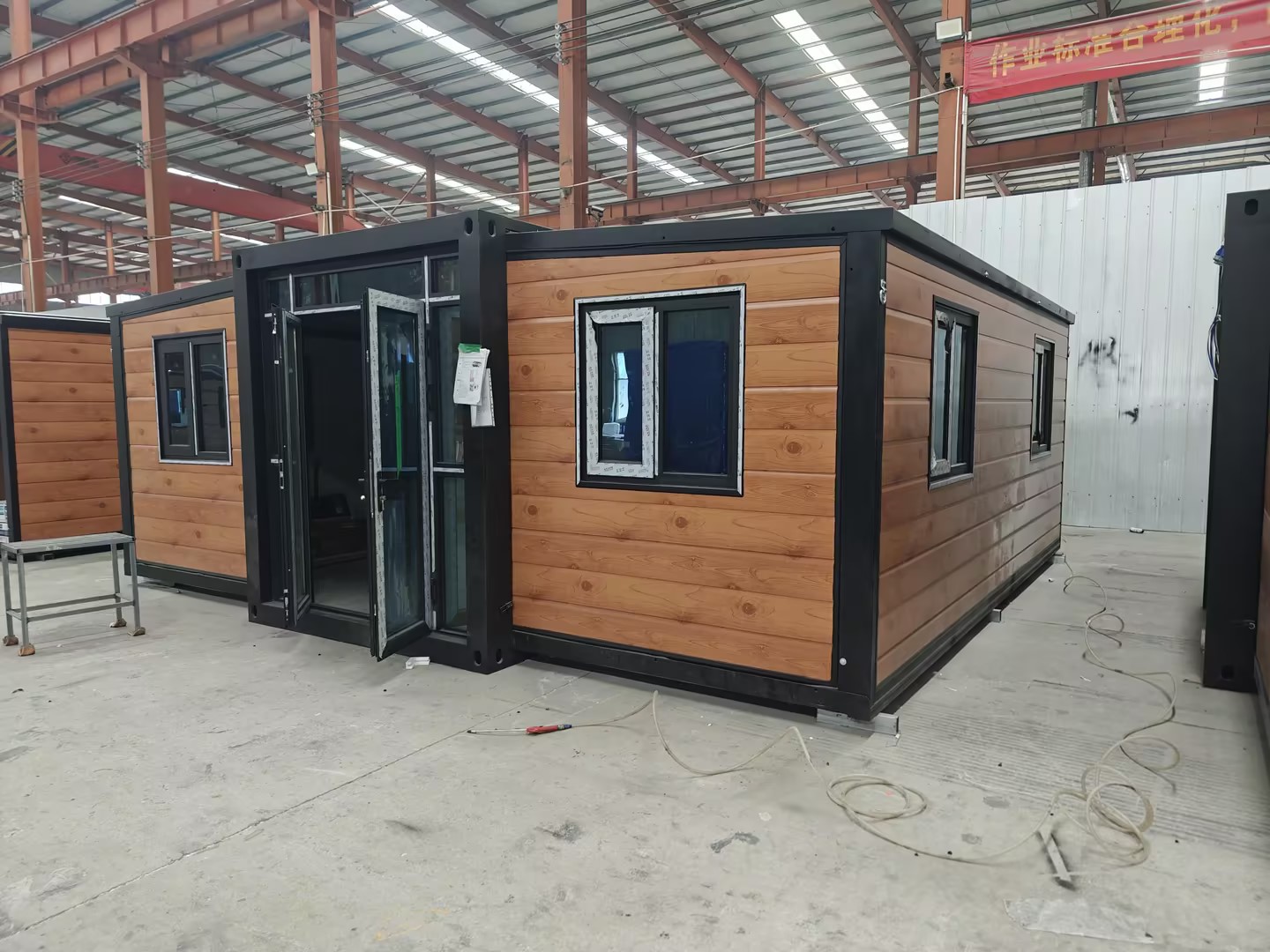
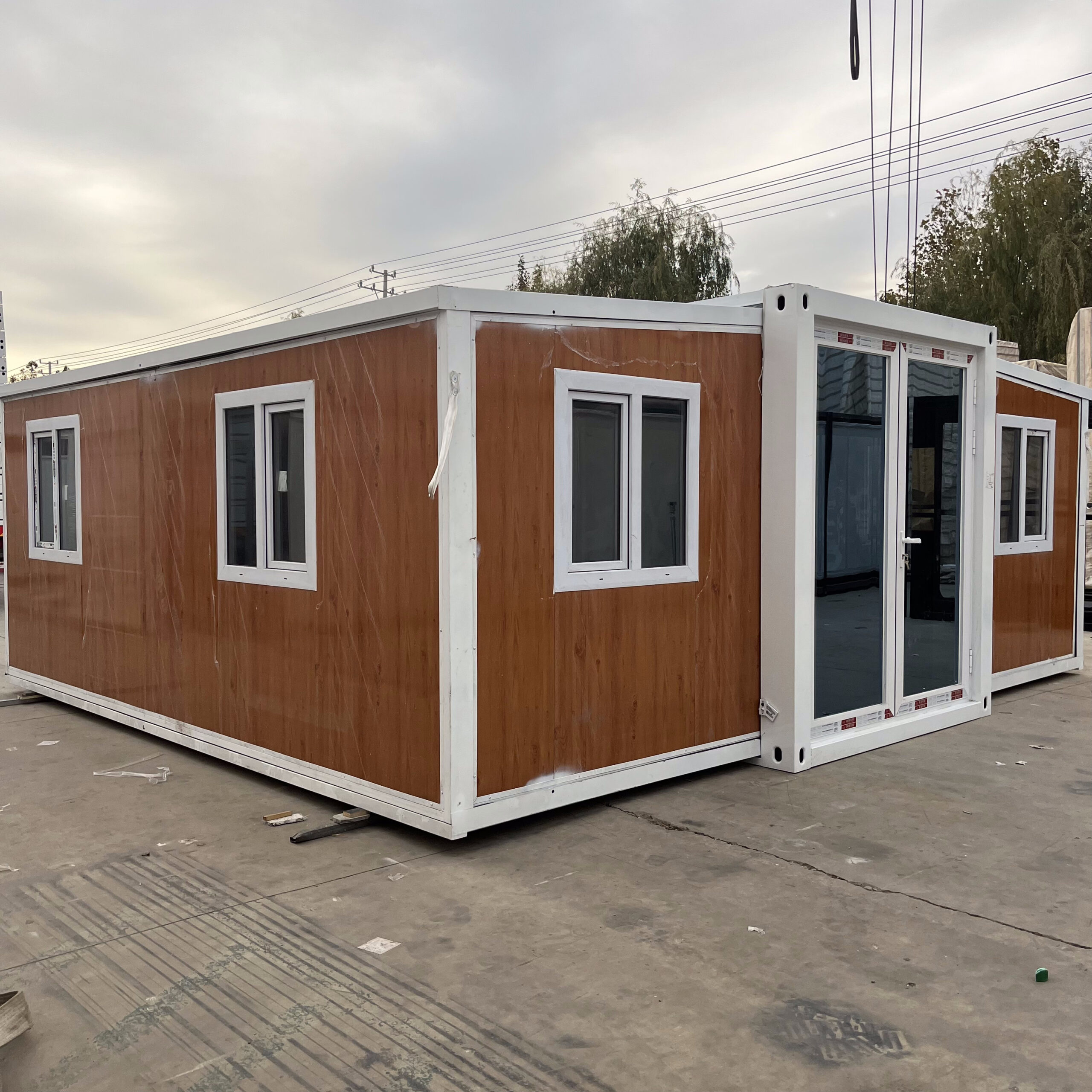
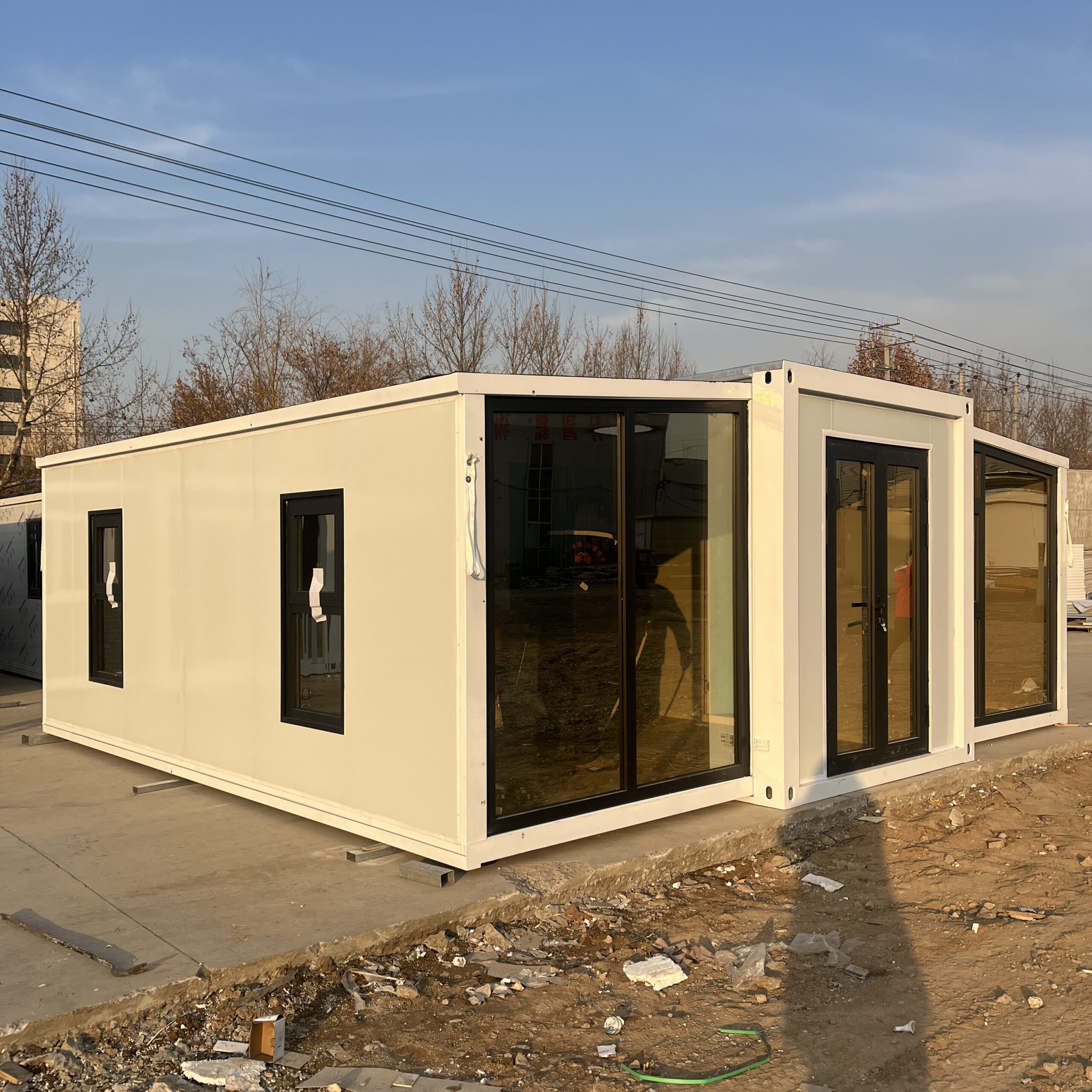
The double-wing design features expandable side sections that transform a compact 20-foot container into a spacious living area, increasing usable floor space by 70-80% when deployed. This ingenious solution meets Australian transport regulations during transit (folded dimensions: 2200mm x 5900mm x 2480mm) while providing generous living space (expanded dimensions: 6340mm x 5900mm x 2480mm) once installed.
Your browser does not support the video tag.
Core Features Engineered for Australian Conditions
This container home incorporates several design elements specifically tailored to meet Australian building codes and environmental conditions:
Structural Integrity
The unit features a hot-dip galvanized steel frame that exceeds AS/NZS 1170 structural requirements. The modular design allows for multiple configurations while maintaining compliance with Australian engineering standards. The black frame not only provides structural integrity but also meets road transport regulations for oversized loads.
Thermal Performance
Addressing Australia’s diverse climate, from tropical Darwin to alpine regions, the unit incorporates high-performance insulation materials. Polyurethane or rock wool insulation provides R-values that exceed NCC Section J requirements for energy efficiency. The seamless construction eliminates thermal bridges, while Low-E double-glazed aluminum windows reduce heat transfer by up to 40% compared to standard glazing.
Weather Resistance
Designed to withstand Australia’s harsh conditions, the unit features:
- Seamless waterproofing technology that exceeds AS/NZS 4200 standards for waterproofing membranes
- Corrosion-resistant materials suitable for coastal areas like Cairns or Fremantle
- Wind-resistant engineering capable of withstanding cyclonic conditions in Northern Australia
- Flood-safe design options for properties in Queensland’s flood-prone regions
Interior Design and Functionality
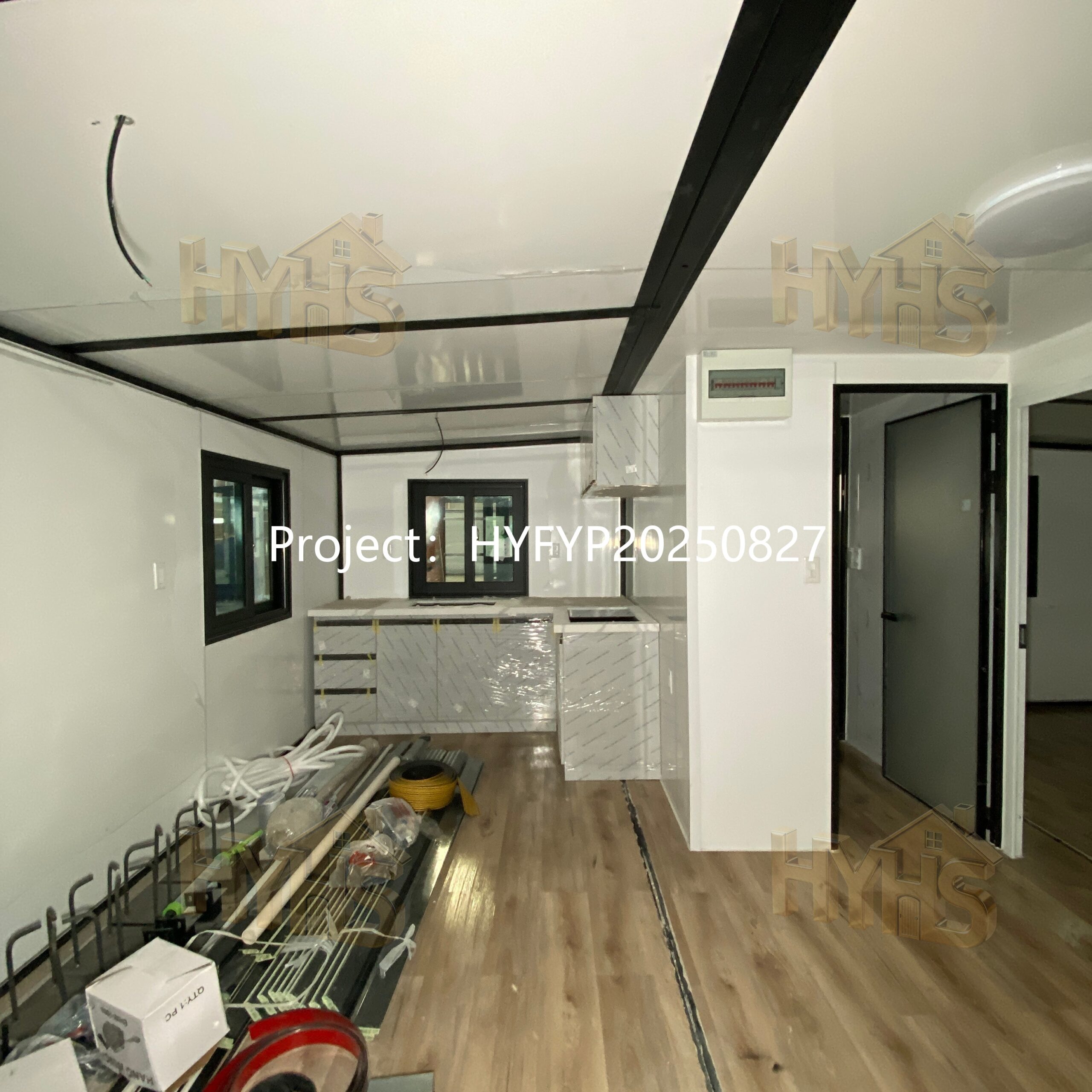
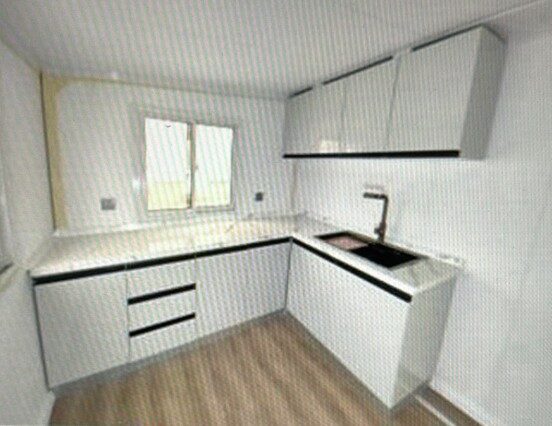
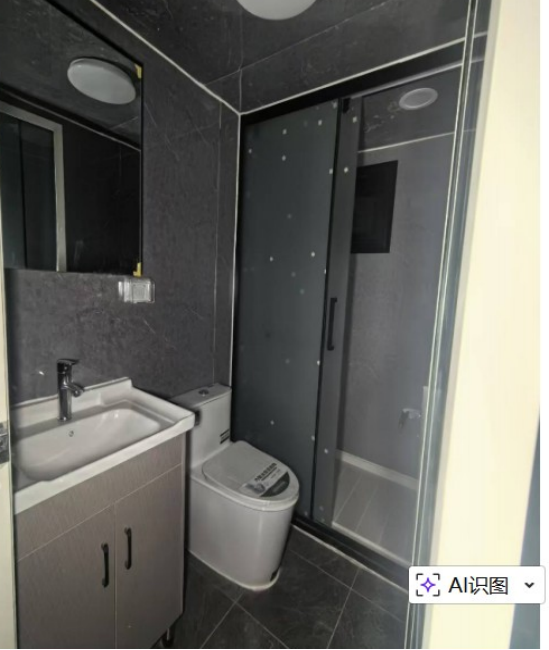
The interior maximizes space efficiency with no internal columns, achieving over 90% space utilization. The factory-fitted modular kitchen and bathroom meet Australian plumbing standards (AS/NZS 3500) and come with all necessary approvals for connection to local services.
Regulatory Advantages of the Double-Wing Design
The double-wing expansion container home offers several advantages that simplify compliance with Australian building regulations:
Transport Compliance
When folded, the unit meets standard road transport dimensions, eliminating the need for special permits during delivery. This significantly reduces the complexity and cost of moving the unit across states, whether from a manufacturing facility in Victoria to a building site in Western Australia.
Installation Efficiency
With 85% of construction completed in a controlled factory environment, on-site installation typically requires only 4-6 hours for a single unit. This rapid deployment minimizes on-site construction risks and reduces the need for lengthy council inspections during the building phase. The modular design allows for easy expansion or reconfiguration if regulations or needs change.
Environmental Compliance
The unit incorporates sustainable materials and energy-efficient systems that help meet local council sustainability targets. The steel frame is 90% recyclable, while the insulation materials have low global warming potential (GWP). The factory-controlled construction process reduces waste by up to 60% compared to traditional building methods, aligning with Australia’s National Waste Policy.
Customization Options for Australian Requirements
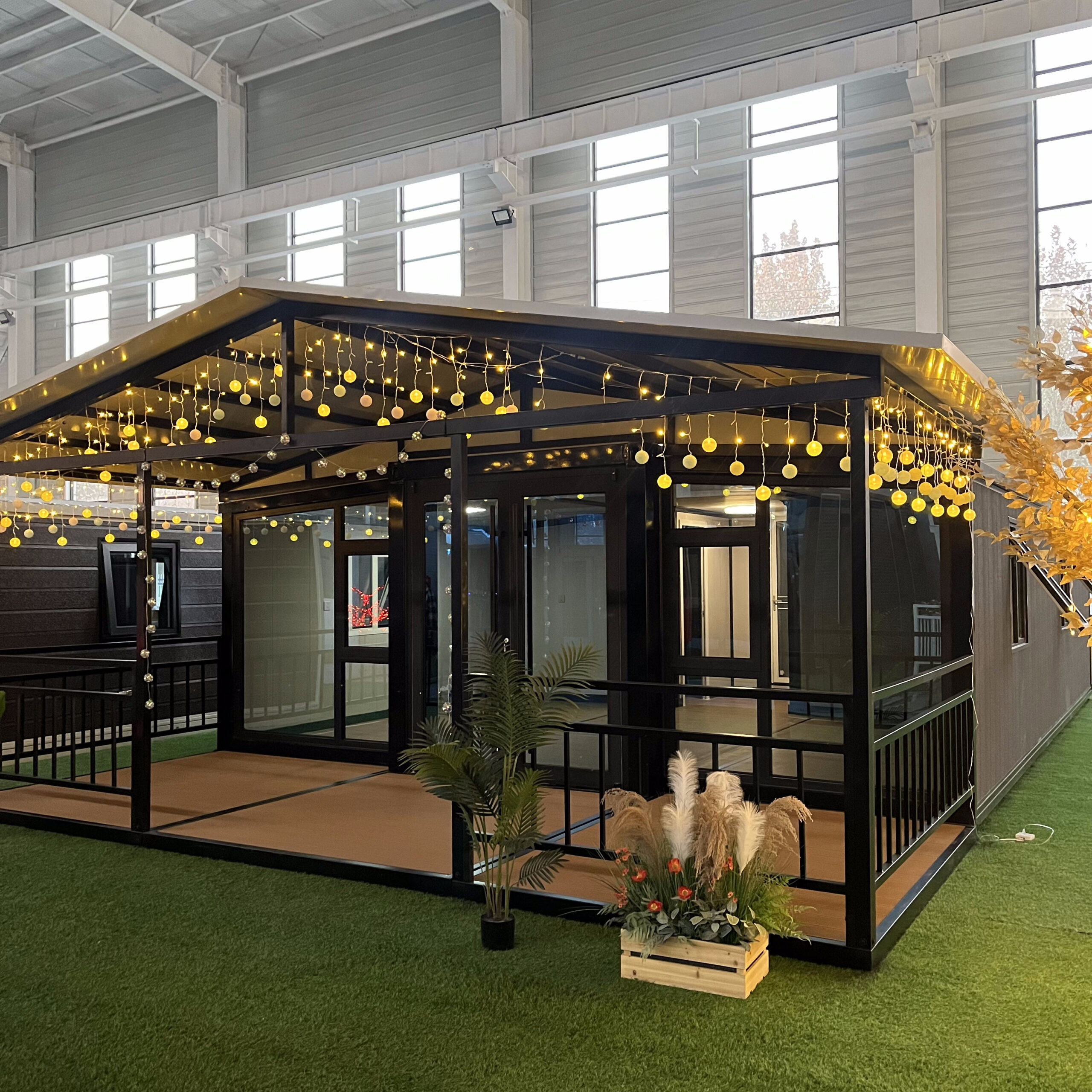
One of the most significant advantages of this container home is its adaptability to meet specific Australian regulatory requirements and lifestyle preferences:
Climate-Specific Adaptations
Units can be customized for specific Australian climates:
- Tropical North: Enhanced ventilation, elevated foundations, and cyclone-rated tie-downs
- Arid Regions: Additional insulation, reflective roofing, and water harvesting systems
- Temperate South: Heating systems, double glazing, and thermal mass elements
- Alpine Areas: Snow load reinforcements and superior insulation packages
Council-Specific Modifications
The design can be adapted to meet specific council requirements:
- Heritage overlay areas: Traditional façade options to blend with historic neighborhoods
- Fire-prone zones: Non-combustible cladding and ember-proofing features
- Coastal regions: Corrosion-resistant materials and elevated foundations
- Urban infill sites: Compact footprints for small lots
Applications Across Australia
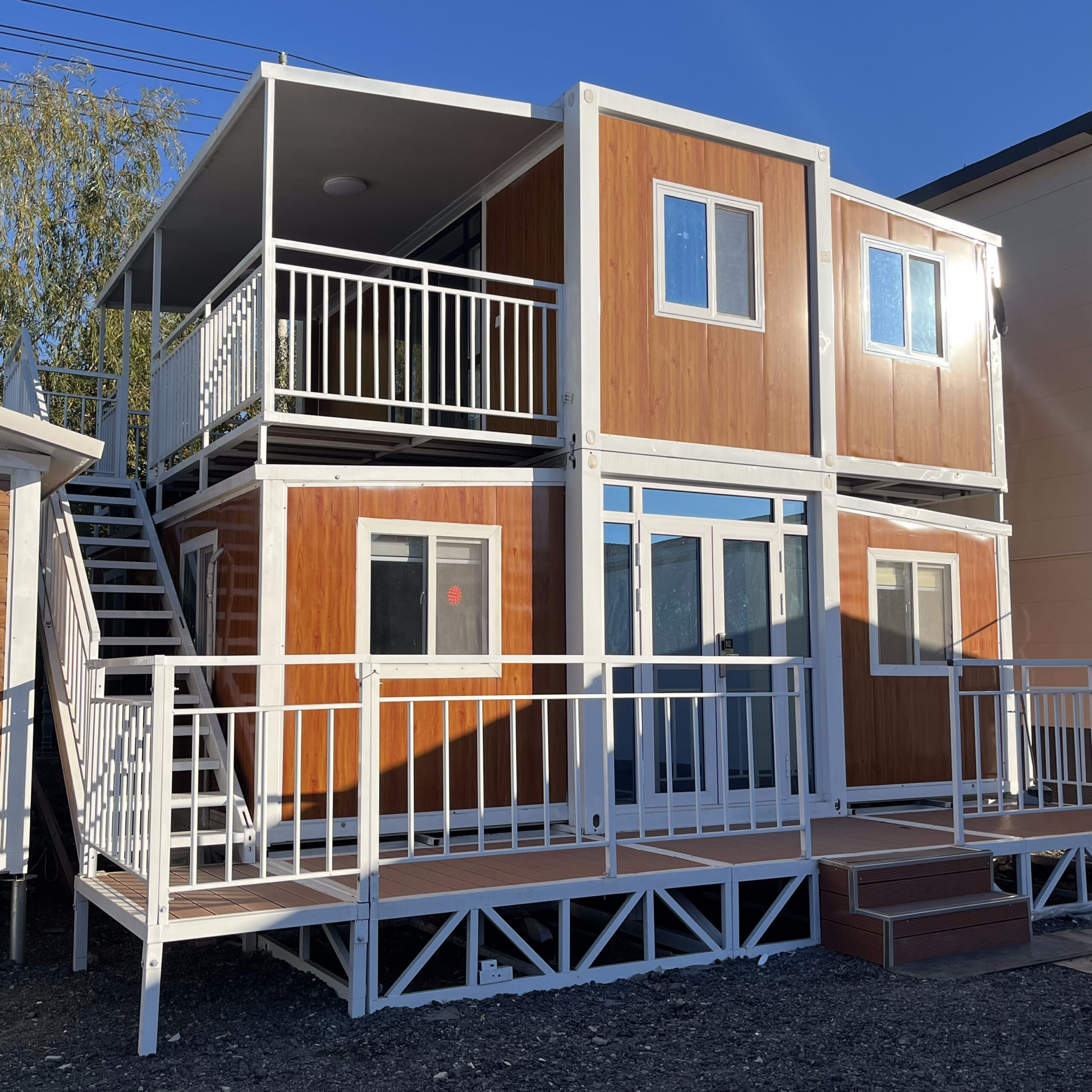
The versatility of this container home makes it suitable for various applications across Australia’s diverse landscapes and regulatory environments:
Residential Housing
As primary residences, secondary dwellings (granny flats), or holiday homes, these units offer affordable housing solutions. In areas with housing shortages like Melbourne’s growth corridors or Sydney’s western suburbs, they provide rapid deployment housing that meets all residential building codes.
Commercial and Tourism
For tourism operators in Queensland’s Whitsundays or Tasmania’s wilderness areas, the units provide stylish, compliant accommodation. As pop-up retail spaces in Adelaide’s Rundle Mall or Sydney’s Surry Hills, they offer flexible commercial spaces with minimal regulatory hurdles.
Remote and Regional Solutions
In Western Australia’s mining communities or the Northern Territory’s outback stations, these units provide durable, transportable accommodation that meets remote area building standards. Their rapid deployment makes them ideal for disaster relief housing after bushfires or floods.
Navigating the Approval Process
While the double-wing container home simplifies compliance, navigating Australia’s regulatory landscape still requires careful planning:
Pre-Application Considerations
- Site Assessment: Engage a surveyor to confirm zoning and overlay restrictions
- Design Compliance: Ensure plans meet NCC and Australian Standards
- Documentation Preparation: Gather engineering certificates, energy reports, and specifications
- Consultation: Discuss plans with council officers before formal submission
Common Approval Challenges
Despite the unit’s compliance features, applicants may face challenges with:
- Heritage conservation overlays
- Bushfire attack level (BAL) ratings
- Flood planning requirements
- Private covenant restrictions
- Local character policies
Strategies for Success
To streamline approval:
- Engage a building certifier familiar with container construction
- Submit comprehensive documentation addressing all likely concerns
- Consider staged approvals for complex developments
- Maintain open communication with council throughout the process
Cost and Timeline Considerations
Understanding the financial and temporal aspects of container home projects is crucial for Australian applicants:
Permit Costs
Application fees vary significantly:
- Development Application: $1,000 – $10,000+ depending on complexity
- Building Approval: $500 – $3,000
- Private Certification: $2,000 – $8,000
- Additional Reports: $500 – $5,000 (bushfire, flood, geotech, etc.)
Timeline Expectations
Realistic timelines for Australian container home projects:
- Design and Documentation: 4-8 weeks
- Permit Processing: 4-12 weeks
- Manufacturing: 8-12 weeks
- Site Preparation: 2-4 weeks
- Installation: 1-3 days
- Final Inspections: 1-2 weeks
Cost Comparison
When compared to traditional construction in Australia:
- Container Home: $1,500 – $3,500 per square meter
- Project Home: $1,200 – $2,500 per square meter
- Custom Brick Home: $2,000 – $4,000+ per square meter
While initial costs may be comparable, the double-wing container home offers significant savings in time, flexibility, and long-term adaptability.
Maintenance and Long-Term Compliance
Maintaining compliance with Australian regulations extends beyond initial approval:
Ongoing Requirements
- Annual fire safety checks (for multi-unit developments)
- Plumbing system maintenance every 2-3 years
- Electrical safety inspections every 5 years
- Structural inspections after extreme weather events
Adaptation to Changing Regulations
The modular nature of the double-wing container home allows for relatively straightforward updates as Australian building codes evolve. Common upgrades include:
- Enhanced insulation packages
- Renewable energy system integration
- Water efficiency improvements
- Accessibility modifications
Conclusion: Building the Future with Compliant Container Homes
Navigating Australia’s container house building codes and permits requires careful planning, expert guidance, and innovative solutions like the 20-foot double-wing expansion container home. By understanding regulatory frameworks and leveraging purpose-designed products, Australians can embrace sustainable, affordable housing without compromising on safety or compliance.
As Australia continues to face housing affordability challenges and environmental pressures, container homes represent a practical solution that balances regulatory requirements with modern living needs. The double-wing design specifically addresses many traditional container home limitations while providing the flexibility needed to meet diverse Australian conditions and council requirements.
For those considering container housing in Australia, thorough research, professional consultation, and selection of compliant products like the double-wing expansion unit are essential steps toward successful project completion. With proper planning and execution, container homes can offer a faster, more sustainable path to property ownership or development across Australia’s vast and varied landscape.
本文由人工智能技术生成,基于公开技术资料和厂商官方信息整合撰写,以确保信息的时效性与客观性。我们建议您将所有信息作为决策参考,并最终以各云厂商官方页面的最新公告为准。