
Discover how the innovative 20ft Apple Capsule container house revolutionizes tiny home living with its sleek design, sustainable materials, and efficient use of space. Perfect for eco-conscious homeowners in Canada seeking minimalist luxury.
Imagine waking up in a space that combines futuristic aesthetics with practical functionality—all within a compact 20-foot structure. Welcome to the world of the Apple Capsule container house, a groundbreaking solution in the tiny home container movement that’s capturing attention across Canada. This isn’t just a shelter; it’s a lifestyle statement for those who crave simplicity without sacrificing comfort. Let’s dive into why this modular marvel is turning heads in cities like Vancouver and Toronto.
Exterior Design: Where Meets Nature
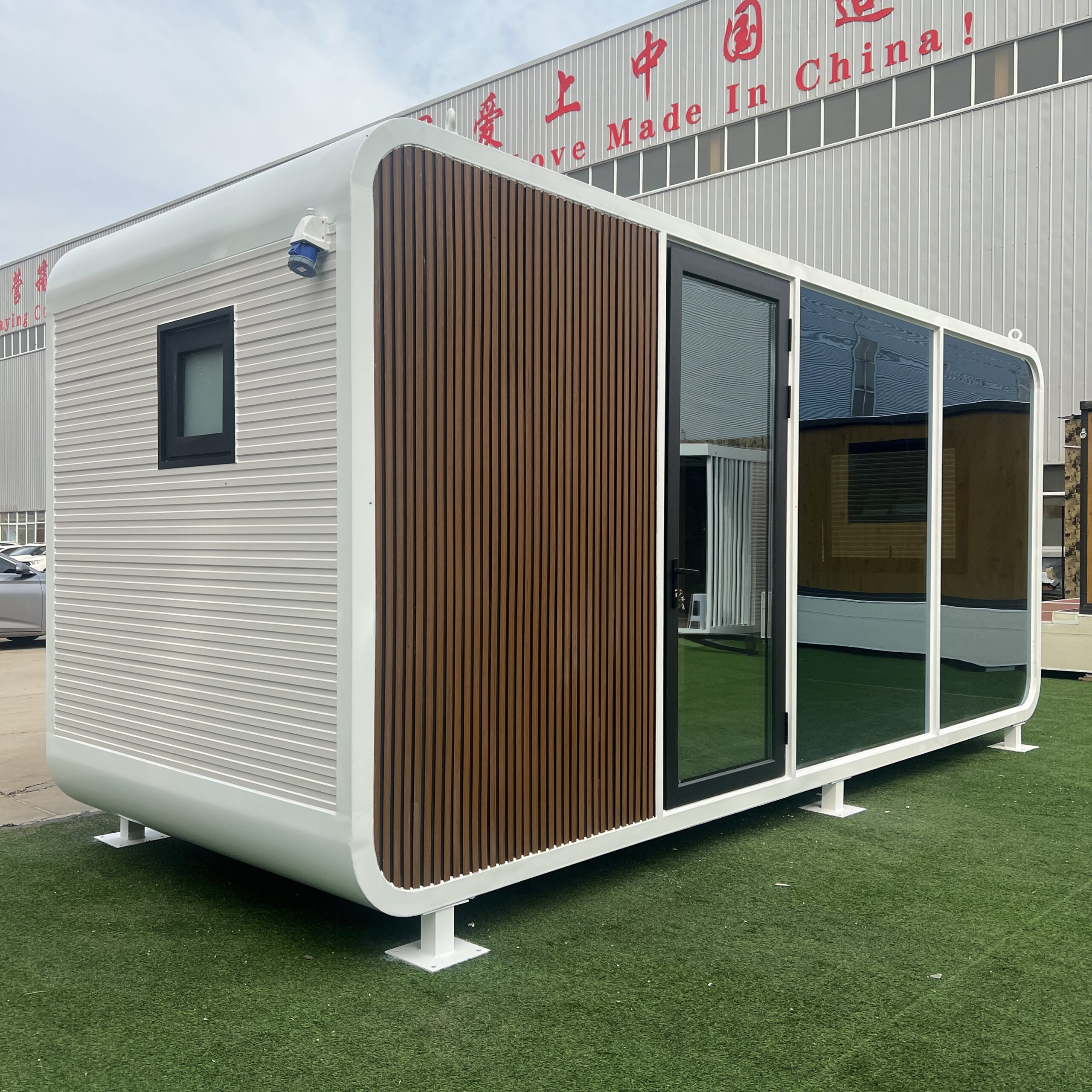
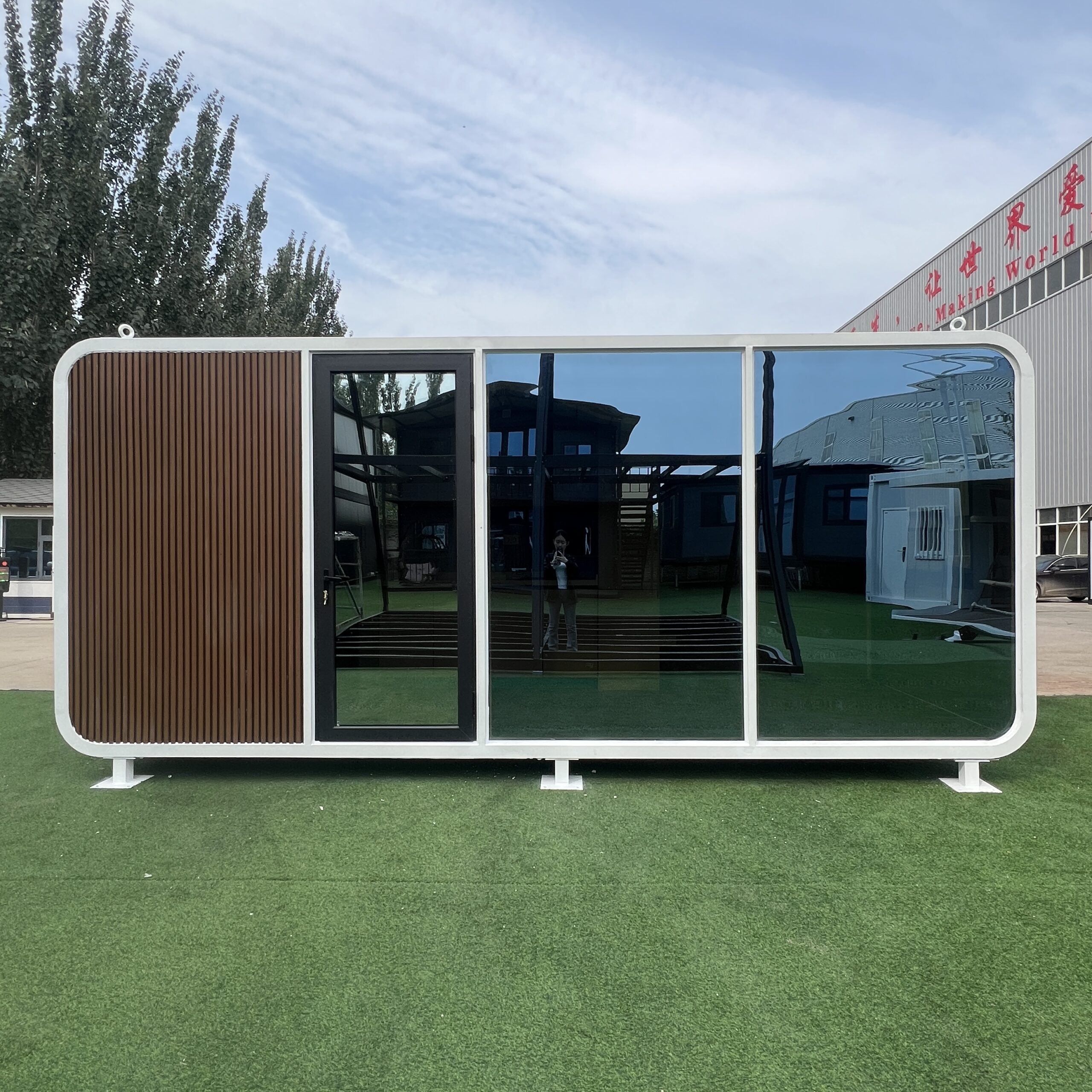
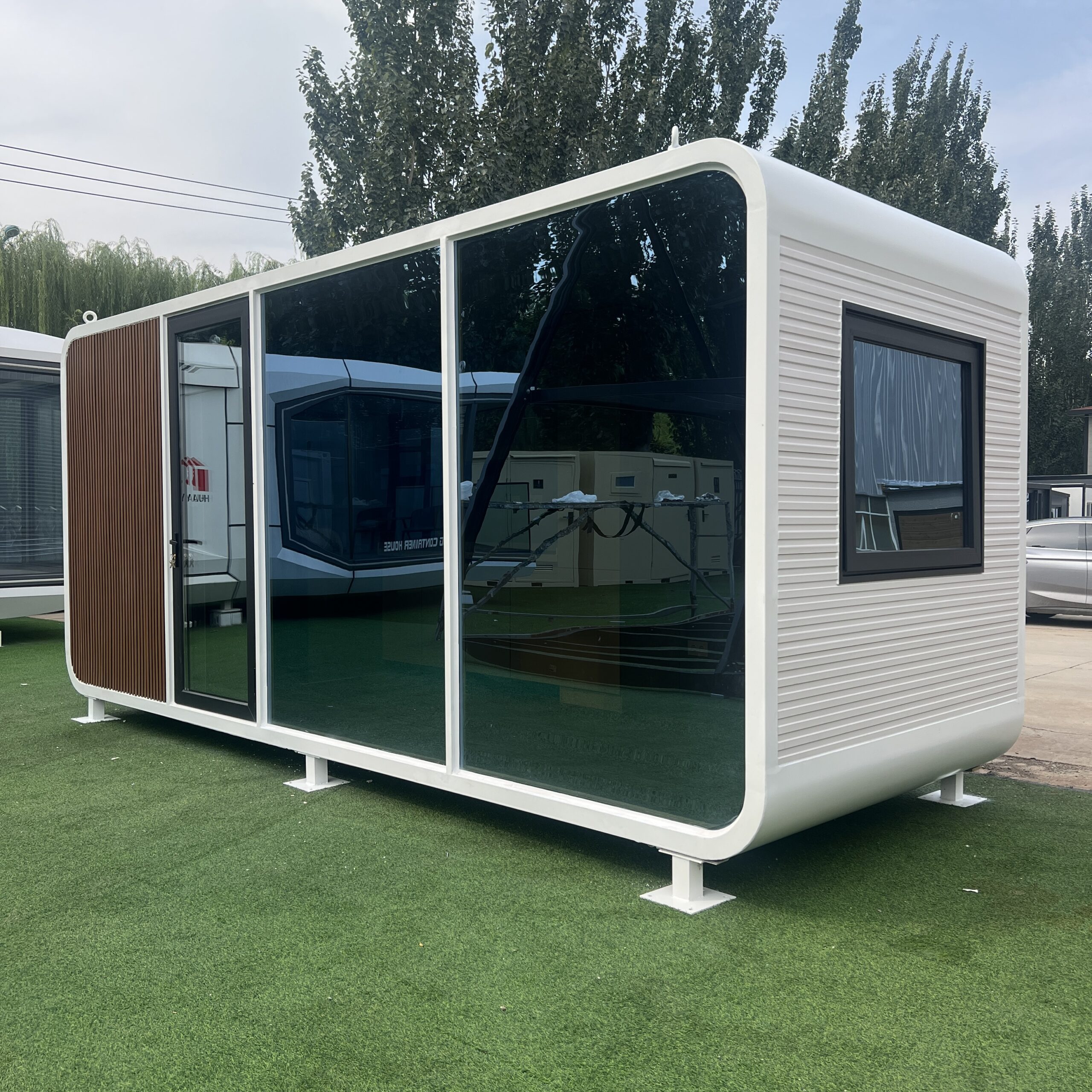
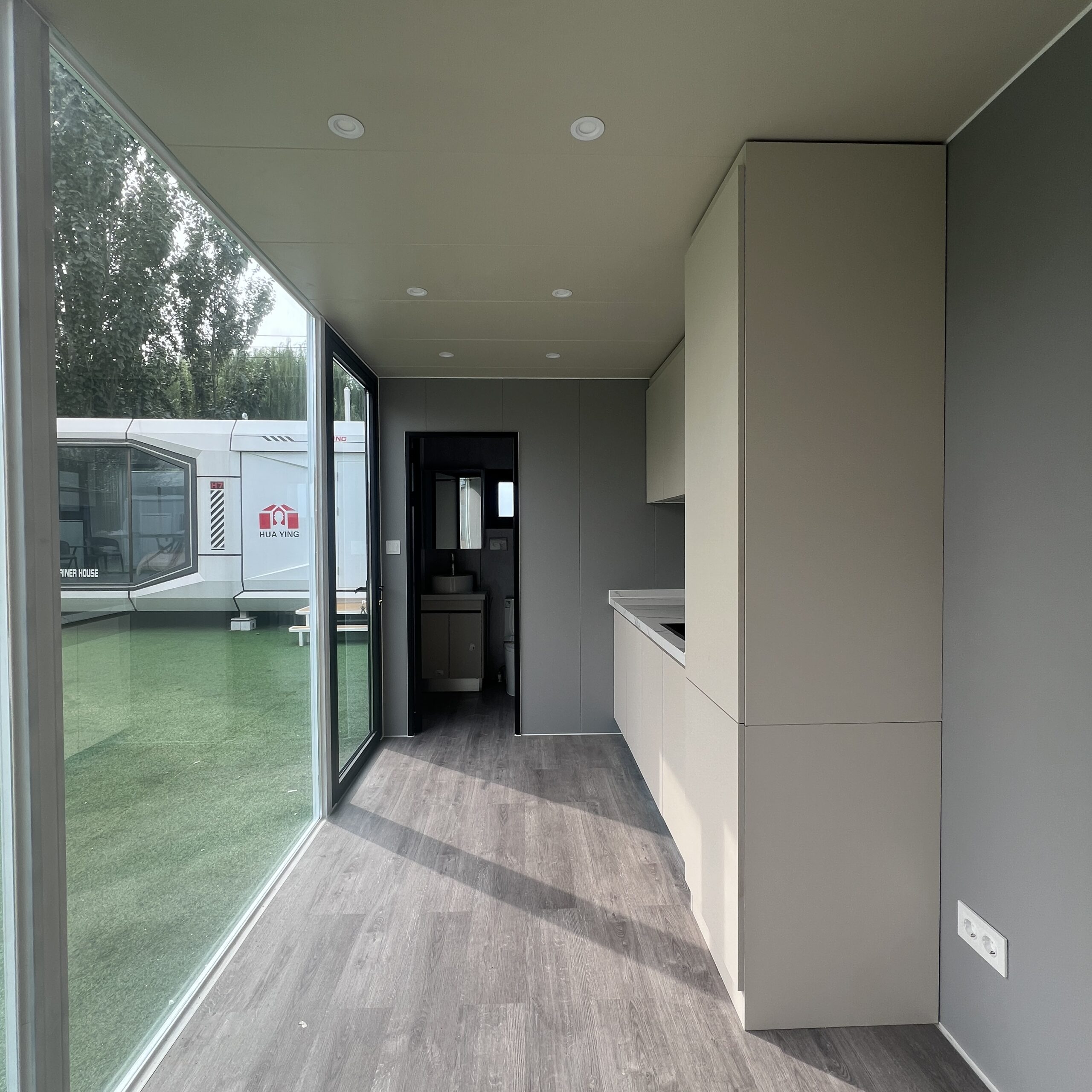
The first thing you’ll notice about the Apple Capsule is its eye-catching exterior. Clad in durable, weather-resistant steel with a minimalist white finish, it seamlessly blends into urban settings or rural landscapes. The curved roof design isn’t just for aesthetics—it enhances rainwater drainage and snow load resistance, making it ideal for Canada’s diverse climates. Large panoramic windows (as seen in Image 1, Image 2, and Image 3) flood the space with natural light while offering stunning views of the outdoors. Whether parked in a British Columbia forest or an Ontario backyard, this tiny home container feels like a modern sanctuary.
Interior: Smart Luxury in 200 Square Feet
Step inside, and you’ll be amazed by how spacious this 20ft unit feels. The interior (featured in Image 4 and Image 5) maximizes every inch with a clever open-plan layout. Light oak floors and white walls create an airy ambiance, while built-in storage solutions keep clutter at bay. The living area transforms effortlessly from a cozy lounge to a workspace, thanks to foldable furniture and multi-functional design elements.
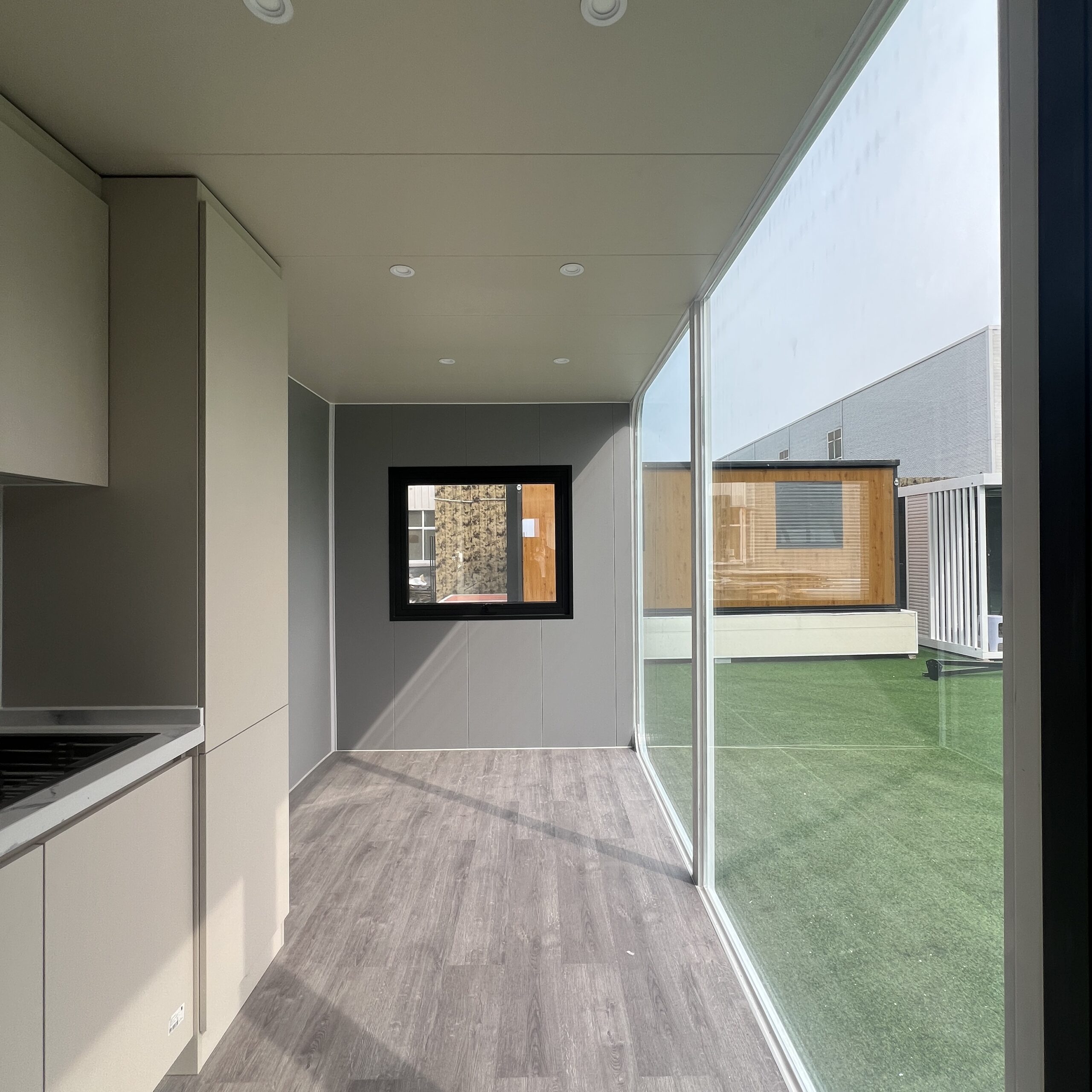
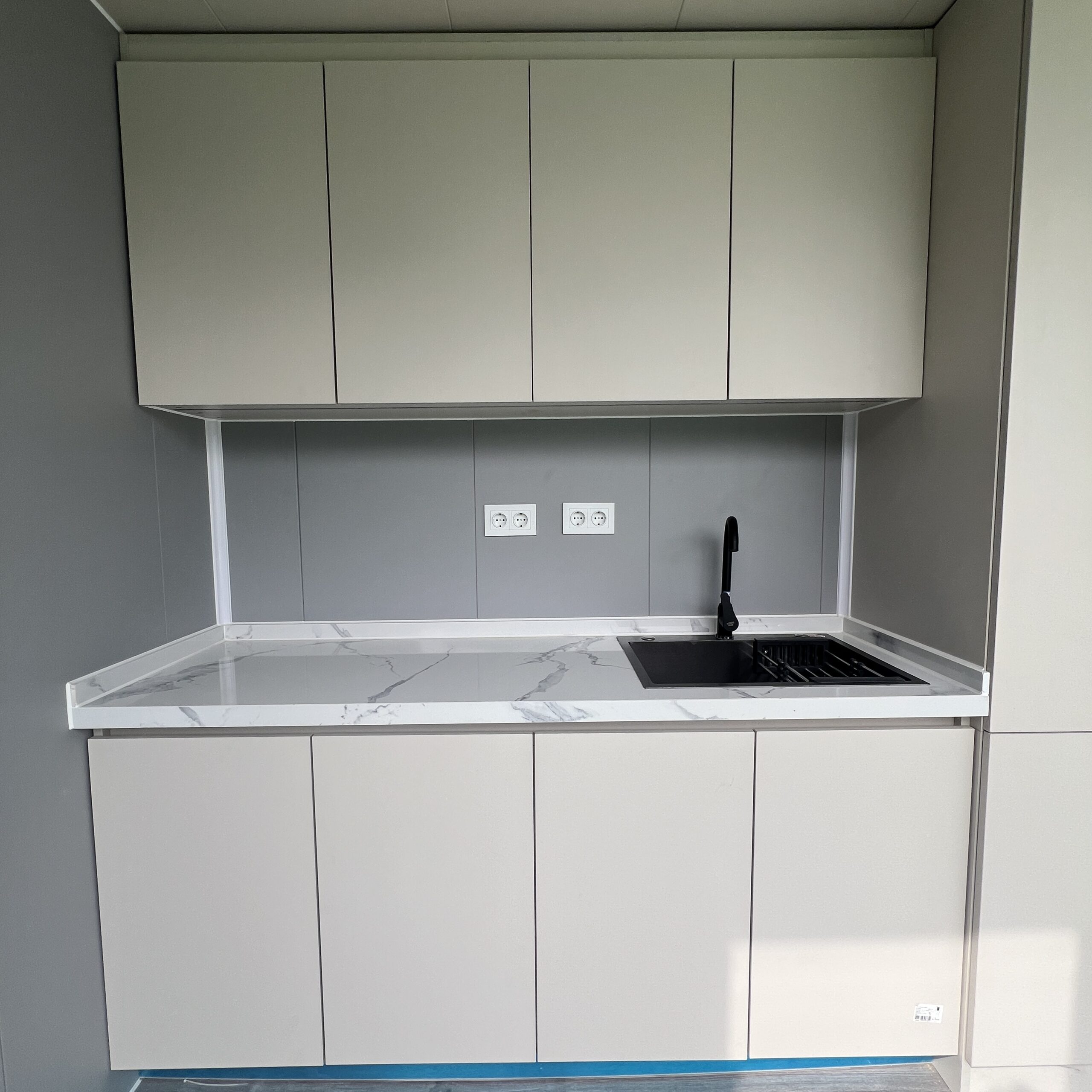
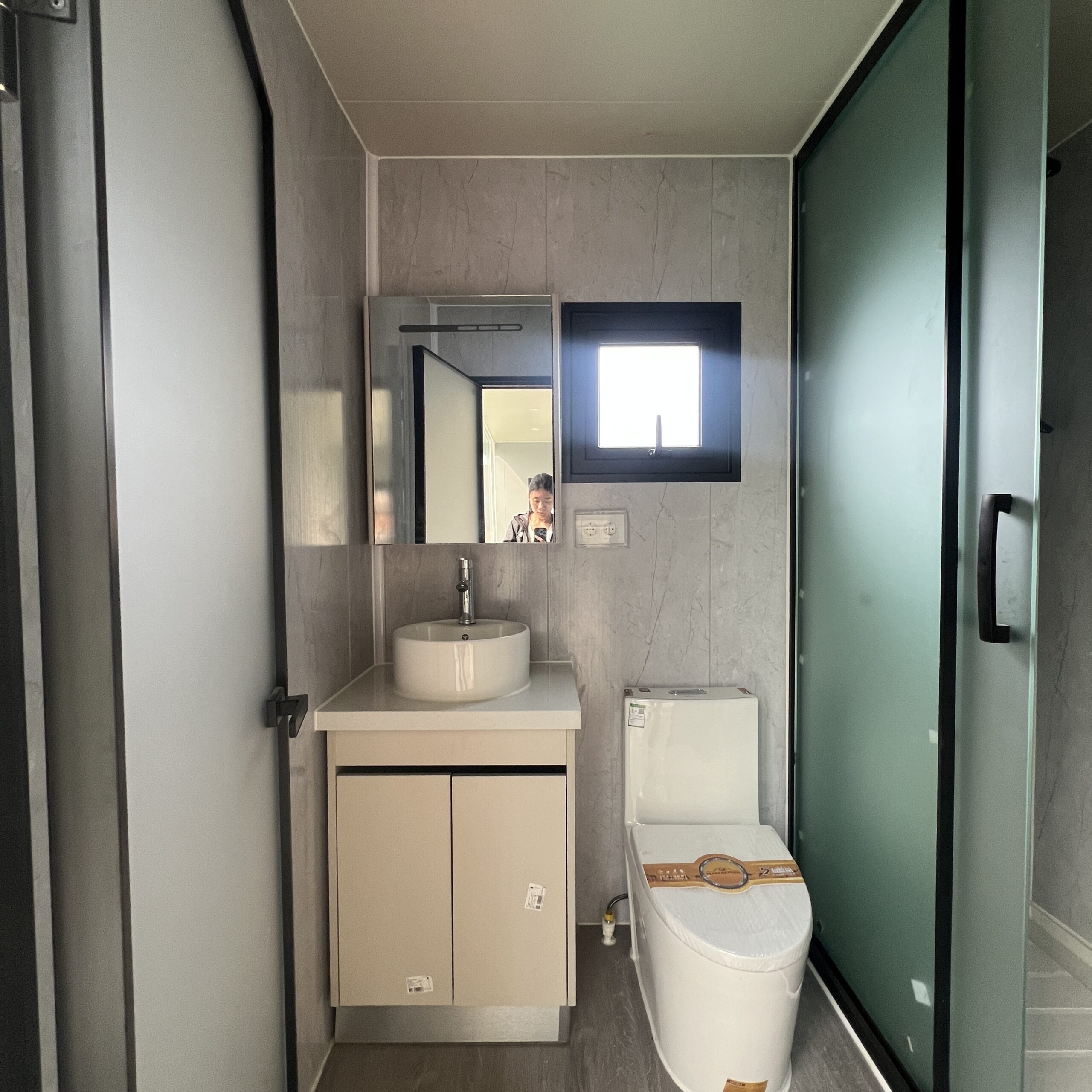
The kitchen (Image 6) is a chef’s delight despite its size. It features sleek cabinetry, energy-efficient appliances, and a quartz countertop that doubles as a dining bar. Meanwhile, the bathroom (Image 7) surprises with a full-sized shower, composting toilet, and stylish fixtures—all optimized for water conservation. It’s proof that tiny home containers don’t require compromising on modern amenities.
Layout: Efficiency Meets Comfort
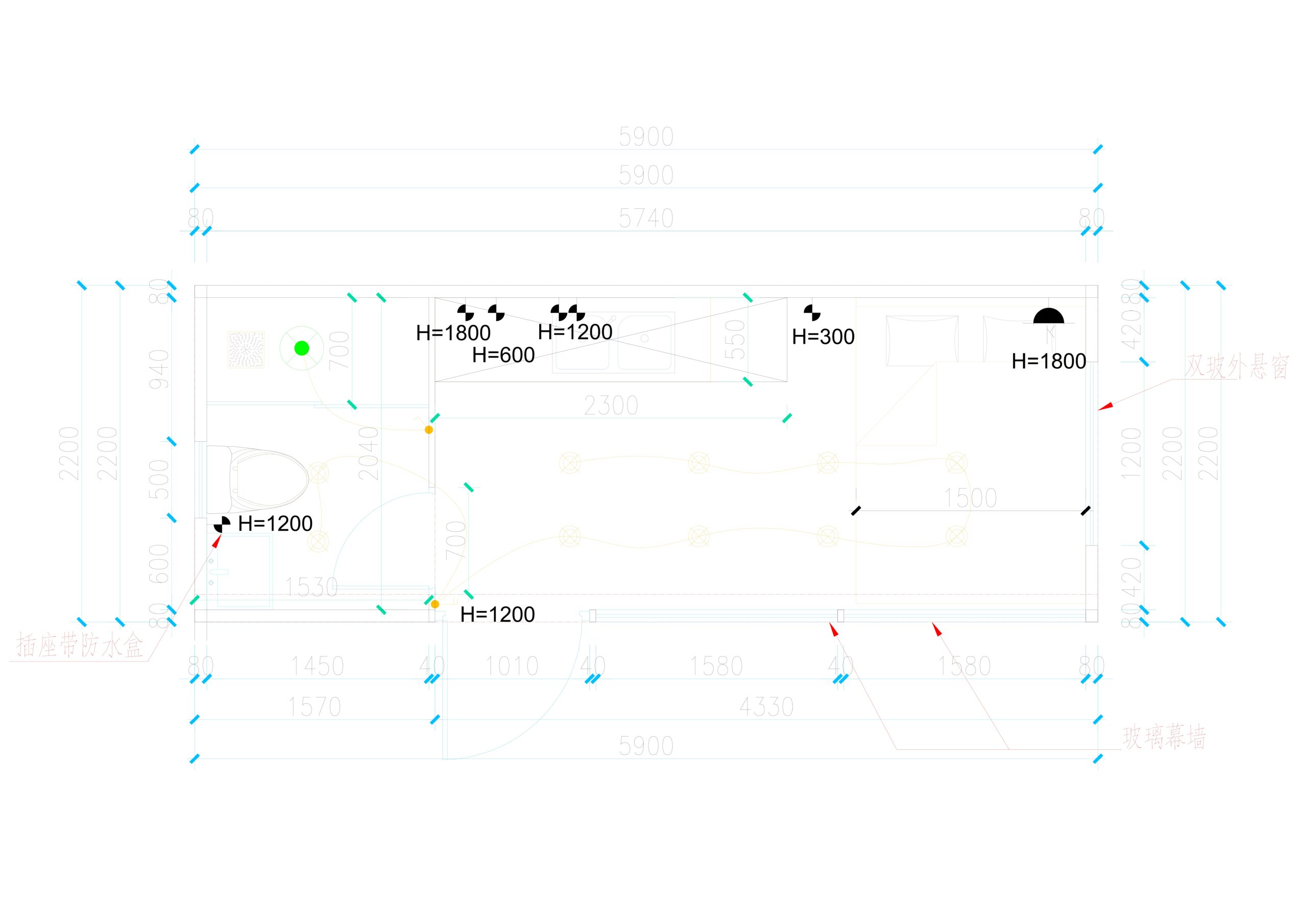
The genius of the Apple Capsule lies in its intelligent floor plan (Image 8). The 20ft footprint is divided into three zones: living/kitchen, wet area (bathroom), and a flexible sleeping loft accessible via a space-saving staircase. This zoning ensures privacy while maintaining an open feel. Thermal insulation and double-glazed windows keep the interior cozy year-round, reducing energy costs—a huge plus for Canadian winters.
Why Choose This Tiny Home Container?
For Canadians embracing minimalism or sustainable living, the Apple Capsule offers unmatched benefits:
- Eco-Friendly: Built with recycled materials and designed for low energy consumption.
- Cost-Effective: At a fraction of traditional housing costs, it’s perfect for first-time buyers or downsizers.
- Quick Setup: Installed in days, not months—ideal for remote properties or urban infill lots.
Mobile: Easily transportable for those craving adventure or flexibility in locations like Alberta or Quebec.
Is This Tiny Home Container Right for You?
This container house is a game-changer for digital nomads, eco-warriors, or anyone seeking a mortgage-free lifestyle. It’s especially suited for Canada’s growing tiny home communities, where regulations increasingly support alternative housing. Picture it as a backyard ADU (Accessory Dwelling Unit) in Montreal or a vacation retreat in the Rockies—the possibilities are endless.
In a world where space is at a premium and sustainability is non-negotiable, the 20ft Apple Capsule container house stands out as a beacon of innovation. It’s not just a place to live; it’s a smarter way to live. Ready to join the tiny home revolution? This Canadian-born marvel might just be your perfect match.