Container Houses in Thailand 2026: Complete Cost Guide, Import Duties & Building Permits
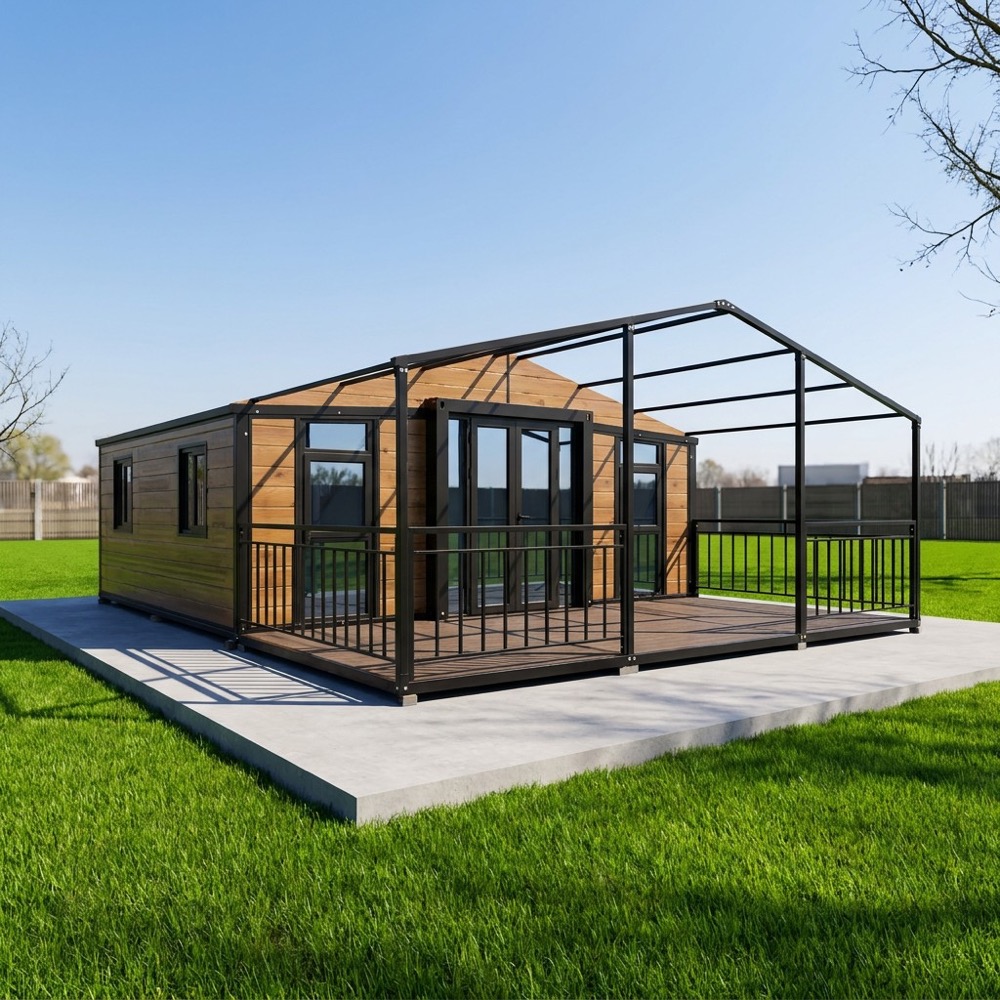
Thailand’s combination of tropical climate, active tourism sector, and rising land prices has made compact prefabricated housing increasingly relevant — from resort accommodation on the islands to worker housing and family homes on the mainland. A Chinese-made expandable container house imported under the China-ASEAN Free Trade Agreement can arrive with a 0% import duty, which changes the total cost picture considerably compared to most other markets.
This guide explains what a container house actually costs to buy, ship, and install in Thailand in 2026 — with a full FOB-to-landed cost table, the customs paperwork that unlocks the zero-duty rate, and the building permit process under Thai law.
Types of Expandable Container Houses Suited to Thailand
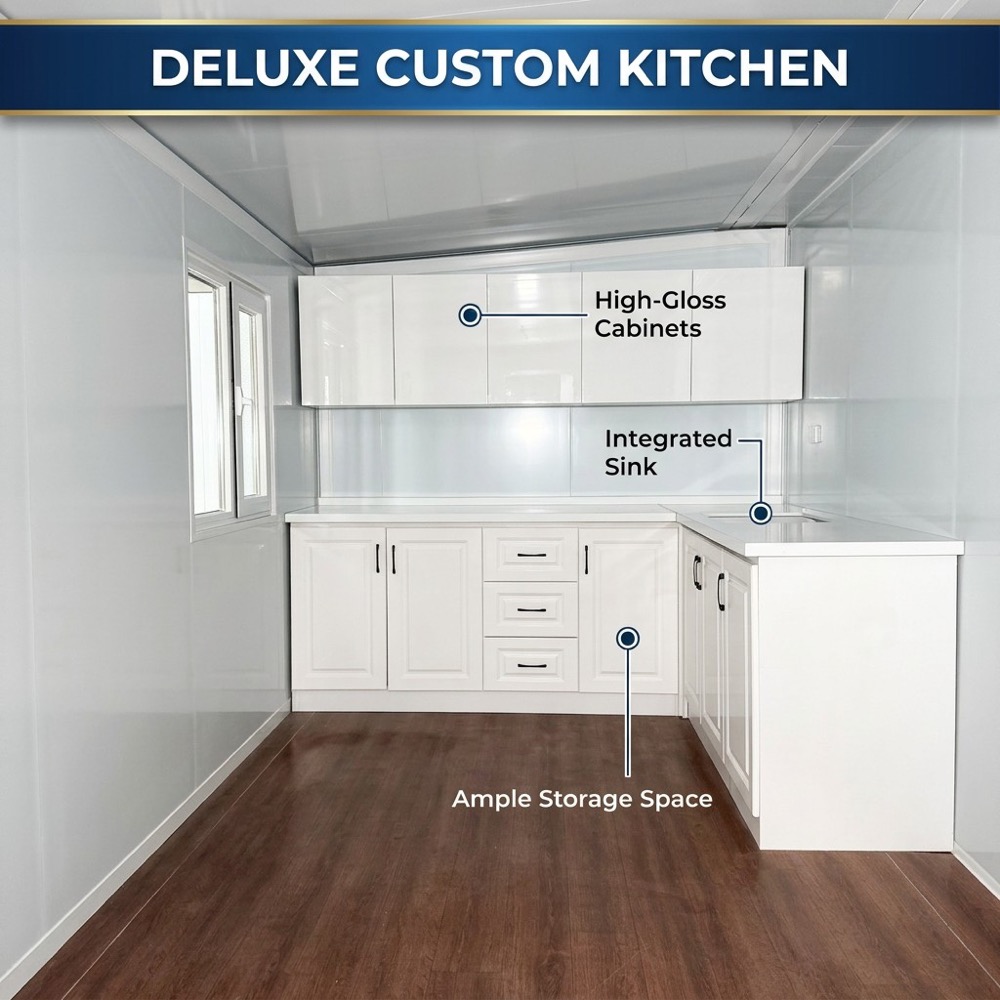
10ft Expandable Model (Approx. 14–20 m² expanded)
Ideal for: resort support buildings, security posts, retail kiosks, single-room guest accommodation.
Dimensions: 3 m × 6 m folded, expanding to 3 m × 8 m.
Useful floor area: approximately 14–20 m².
20ft Expandable Model (Approx. 35–40 m² expanded)
Ideal for: one-bedroom homes, small guesthouses, resort villas, site offices.
Dimensions: 6 m × 3 m folded, expanding to 6 m × 6 m.
Useful floor area: approximately 35–40 m².
40ft Expandable Model (Approx. 70–74 m² expanded)
Ideal for: two-bedroom family homes, larger resort buildings, staff quarters, small commercial units.
Dimensions: 12 m × 3 m folded, expanding to 12 m × 6 m.
Useful floor area: approximately 70–74 m².
2026 Full Landed Cost Breakdown for Thailand
The table below estimates the full cost from factory to site-ready for each model, shipped from Tianjin or Shanghai to Laem Chabang port (Chonburi, the main deep-water port for Bangkok and central Thailand). All figures in USD.
| Item | 10ft Model | 20ft Model | 40ft Model |
|---|---|---|---|
| FOB Price (China, Tianjin/Shanghai) | $8,500 | $12,500 | $18,500 |
| Ocean Freight (China → Laem Chabang) | $900 | $1,400 | $1,900 |
| Marine Insurance (0.3% of CIF) | $28 | $42 | $61 |
| CIF Value (Customs Basis) | $9,428 | $13,942 | $20,461 |
| Import Duty (HS 9406.90, 0% with Form E / RCEP) | $0 | $0 | $0 |
| VAT (7% on CIF + duty) | $660 | $976 | $1,432 |
| Port Handling + Customs Clearance | $450 | $600 | $800 |
| Inland Transport (Laem Chabang → site) | $350 | $500 | $700 |
| Foundation / Concrete Base | $900 | $1,400 | $2,200 |
| On-site Installation + Electrical/Plumbing | $450 | $650 | $1,000 |
| Total Landed Cost (Thailand, with Form E) | $11,938 | $17,618 | $26,153 |
Note: Estimates as of mid-2026. Actual costs vary with specifications, exchange rate (USD/THB), shipping rates and site location. If no Form E or RCEP certificate of origin is presented, import duty can rise sharply — see the customs section below — so the certificate is not optional paperwork.
Thailand Import Duties and VAT for Container Houses
HS Code and the Zero-Duty Route
Steel prefabricated buildings and modular building units are classified under HS heading 9406, most commonly 9406.90 (prefabricated buildings of other materials) or 9406.20 (modular units of steel). For Chinese imports, the practical classification for an expandable steel container house is under 9406.90.
Thailand’s statutory rate on this heading is high (up to 80% ceiling, WTO bound rate 30%), which is why the certificate of origin matters so much. Under the China-ASEAN Free Trade Agreement (ACFTA), steel prefabricated buildings from China qualify for 0% import duty when the importer presents a valid Form E certificate of origin. The same zero rate is available under RCEP with an RCEP certificate of origin. Both agreements have been in force for Thailand-China trade since the early 2020s and remain valid in 2026.
Without the certificate, the importer faces the general rate — which can approach 30% (WTO bound) depending on the exact tariff line — and must confirm the current applied rate with Thai Customs before shipment.
VAT
Thailand applies a single value-added tax rate of 7% to imported goods, calculated on the CIF value plus any import duty. For a 20ft model with zero duty, the VAT is approximately $976 (see table). This is one of the lower indirect tax rates among the markets Chinese container house exporters serve.
Paperwork Checklist
- Commercial invoice and packing list (values must match the customs declaration)
- Bill of lading
- Form E certificate of origin (ACFTA) or RCEP certificate — the single most important document for keeping duty at 0%
- Importer identification (Thai company registration or registered importer)
- Power of attorney for the customs broker, if used
Thai Building Regulations for Container Houses
Building Control Act B.E. 2522 (1979)
Any new building in Thailand — including a container house placed on a foundation — requires a building permit (Aor 1 / แบบ อ.1) from the local authority: the municipal office (thetsaban), the sub-district administrative organization (OrBorTor) in rural areas, or the Bangkok Metropolitan Administration in the capital. The application must be accompanied by architectural drawings and structural calculations signed by professionals licensed with the Council of Architects Thailand and the Council of Engineers.
Key technical requirements that apply to a single-storey container home:
- Minimum ceiling height for residential rooms: 2.60 m (Section 21, Building Control Act)
- Minimum bedroom size: narrowest side at least 2.5 m, floor area at least 8 m² (Section 20)
- Minimum corridor width in a single-family house: 1.0 m (Section 22)
- Boundary setbacks: buildings with windows, doors or balconies generally sit at least 2–3 m from the site boundary; local town-planning rules may differ by province
- Sanitation: sealed septic system for blackwater; greywater treatment as required by the local authority
Seismic Design Requirements
Thailand’s Ministerial Regulation on Seismic Design B.E. 2564 (2021), together with DPT 1301/1302-61 standards issued by the Department of Public Works and Town & Country Planning, requires seismic-resistance calculations for buildings in designated seismic zones. Phuket and parts of the Andaman coast sit near the Ranong fault system, and local authorities there commonly require seismic calculations as part of the permit dossier. An expandable container house is a lightweight steel structure, which generally performs well under seismic load — but the engineer’s calculation must still be submitted and stamped.
Land Ownership for Foreign Buyers
Foreign individuals cannot hold land title in Thailand directly. The standard legal paths for a foreign buyer who wants a container house on Thai land are:
- Leasehold: a lease of up to 30 years under Section 540 of the Civil and Commercial Code, renewable for further 30-year terms
- Registered superficies: a registered right to build and own a structure on land owned by a Thai national, with or without a time limit
- Thai company: a properly structured Thai company can own land; the company applies for the permit and owns the building
Nominee arrangements — holding land through a Thai person as a front — are illegal under Section 113 of the Land Code and carry fines and imprisonment, plus forced disposal of the land. Buyers should structure ownership through a Thai lawyer before ordering the house.
Best Use Cases in Thailand
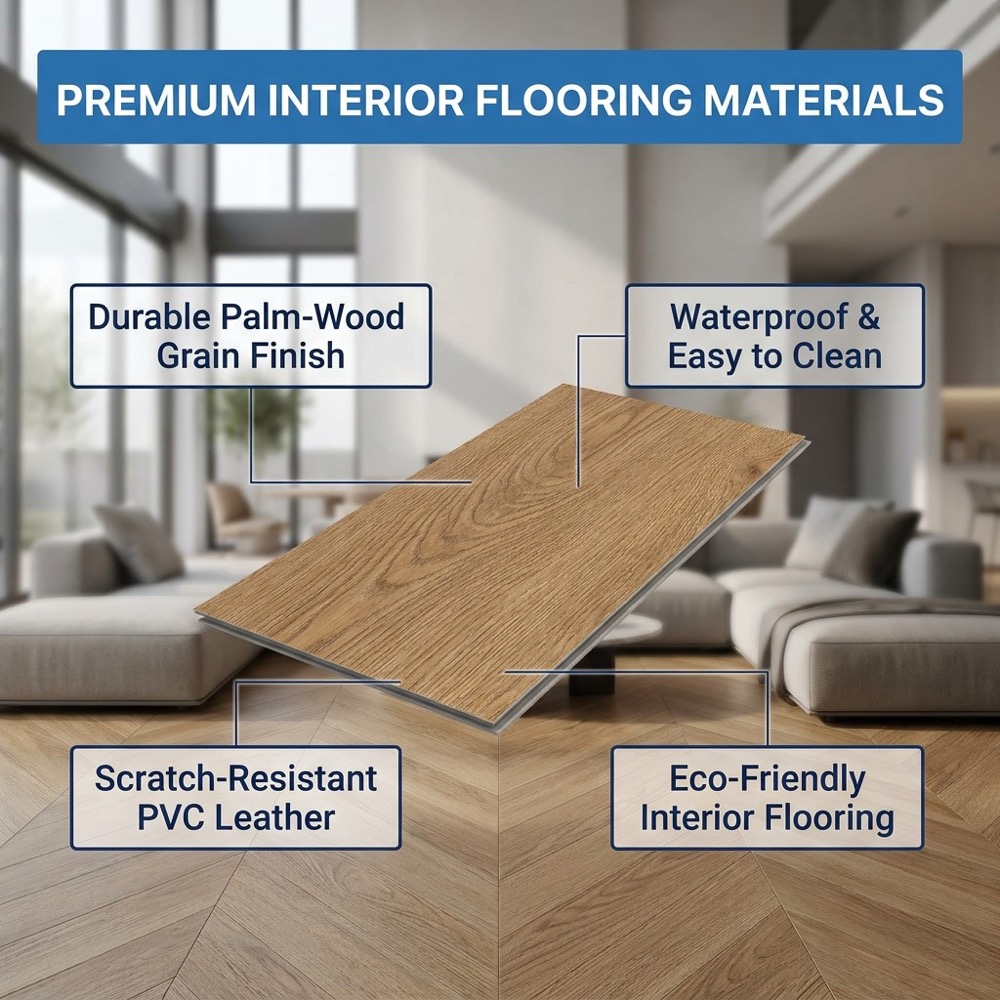
1. Resort and Hotel Accommodation
Resorts on Phuket, Koh Samui, Koh Phangan and the islands need additional guest rooms quickly and at predictable cost. A 20ft expandable unit (35–40 m²) works as a standalone villa or a two-room suite; the 40ft (70–74 m²) suits family villas. Because the units arrive finished, the resort only handles foundation and utilities, which shortens opening timelines.
2. Worker Housing and Site Accommodation
Construction sites, industrial estates (Amata, Hemaraj, Eastern Economic Corridor) and farm operations need dormitory and canteen space. Container houses are relocatable — a unit can be moved to the next site when a project ends, preserving capital.
3. Family Homes and ADU-Style Units
For families building on existing family land, a 20ft or 40ft expandable home provides a permanent residence at roughly a third of the cost of conventional Thai construction per square metre. The house sits on a concrete raft foundation and connects to standard utilities.
4. Commercial and Retail Units
Coffee shops, clinics, car-care outlets and roadside retail in tourist areas can use container units as permanent or semi-permanent commercial space. The approval path follows the same Building Control Act process, with commercial-use requirements for fire safety.
Shipping Timeline from China to Thailand
| Stage | Typical Duration |
|---|---|
| Production (after spec confirmation) | 15–25 days |
| Ocean transit (China → Laem Chabang) | 7–12 days |
| Customs clearance + port handling | 2–5 days |
| Foundation + installation on site | 5–10 days |
| Total from order to move-in | Approx. 35–55 days |
Container Houses vs Conventional Thai Construction
| Factor | Container House (20ft) | Conventional Thai Build |
|---|---|---|
| Cost per m² (turnkey) | Approx. THB 12,000–15,000 | THB 18,000–35,000 |
| Build time | 35–55 days total | 4–9 months |
| Relocatable | Yes | No |
| Permit process | Same Building Control Act path | Same Building Control Act path |
| Quality control | Factory-inspected before shipping | Depends on local contractor |
Frequently Asked Questions
Are container houses legal in Thailand?
Yes, provided the unit is placed on a foundation and a building permit is obtained from the local authority under the Building Control Act B.E. 2522. The permit requires stamped drawings and structural calculations from Thai-licensed professionals. Building without a permit can lead to fines of up to 60,000 THB and, in some cases, demolition orders.
How much does a container house cost in Thailand in 2026?
A 10ft expandable model lands at approximately $11,900 all-in (about THB 400,000–440,000); a 20ft at approximately $17,600 (THB 590,000–650,000); and a 40ft at approximately $26,200 (THB 880,000–970,000). Figures assume the 0% Form E duty rate and include freight, VAT, port handling, foundation and installation.
Can I buy a container house in Thailand as a foreigner?
Yes, but not on land you own directly. The common structures are a 30-year leasehold, a registered superficies right, or a Thai company that owns the land and the building. Nominee arrangements are illegal under the Land Code.
What import duty applies to container houses in Thailand?
Under the China-ASEAN Free Trade Agreement, steel prefabricated buildings from China (HS 9406.90) enter at 0% duty with a valid Form E certificate of origin, and the same applies under RCEP. Without the certificate, the general rate can rise to 30% (WTO bound) — confirm the applied rate with Thai Customs.
Do container houses need special approval on islands like Phuket or Koh Samui?
The permit process is the same, but local authorities in seismic zones such as Phuket typically require seismic calculations under DPT 1301/1302-61. Hillside plots above 50% slope face additional restrictions, and access rights must be registered on the title deed.
How long does it take from ordering to moving in?
Approximately 35–55 days: 15–25 days production, 7–12 days ocean transit to Laem Chabang, 2–5 days customs clearance, and 5–10 days for foundation and installation on site.
Contact Huaying for a Thailand-Specific Quote
Huaying (Hebei Huaying Integrated Housing Co., Ltd.) manufactures expandable, folding and capsule container houses and ships to Thailand regularly. We prepare the Form E certificate of origin with every export, provide the full customs paperwork, and can recommend local customs brokers and installation partners for Bangkok, Laem Chabang, Phuket and the islands.
Email: jack@huayinghouse.com
WhatsApp: +86 153-0318-4505
Factory pick-up: Shijiazhuang Zhengding International Airport or Hengshui North Railway Station
Send us your site location and intended use, and we will reply with a Thailand-specific landed cost estimate within one working day.