
Discover the revolutionary 20ft double-wing expansion container – a game-changing modular building solution offering rapid deployment, customizable designs, and sustainable construction. Perfect for Australia’s dynamic landscapes, this innovative structure transforms from compact transport to spacious living/working space in hours, featuring eco-friendly materials, all-weather durability, and versatile applications from Sydney’s urban projects to remote Outback installations.
In the ever-evolving landscape of innovative architecture, Australia continues to embrace cutting-edge solutions that blend functionality, sustainability, and aesthetic appeal. Enter the 20ft customized double-wing expansion container – a revolutionary modular building that’s redefining how we think about portable structures. From the bustling streets of Sydney to the rugged terrains of the Outback, this ingenious design is solving spatial challenges across diverse Australian environments. Imagine a structure that arrives compactly on a truck, then unfolds like origami into a spacious, fully-equipped living or working space within hours. This isn’t science fiction; it’s the new reality of modular construction.
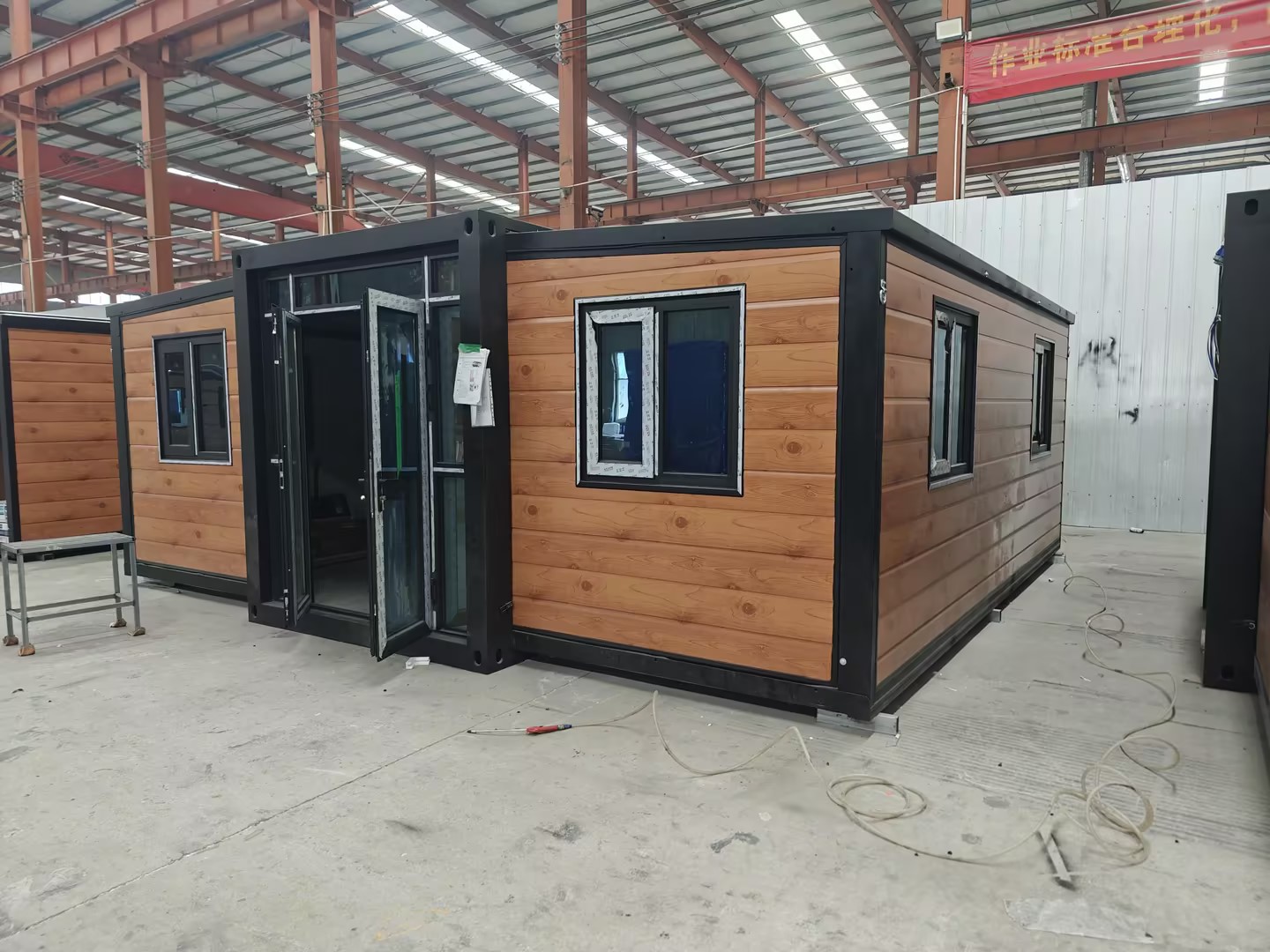
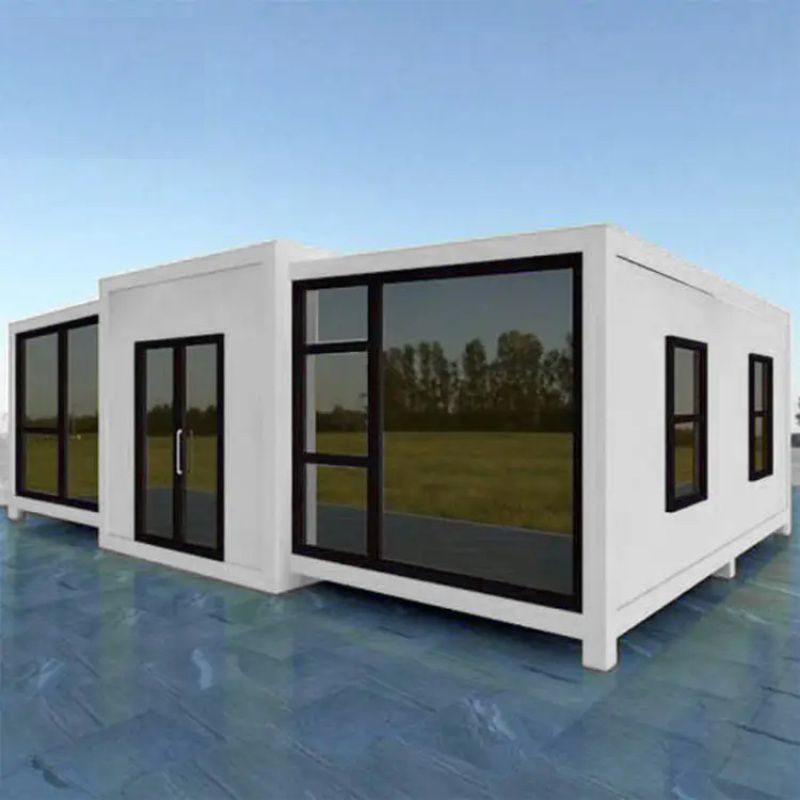
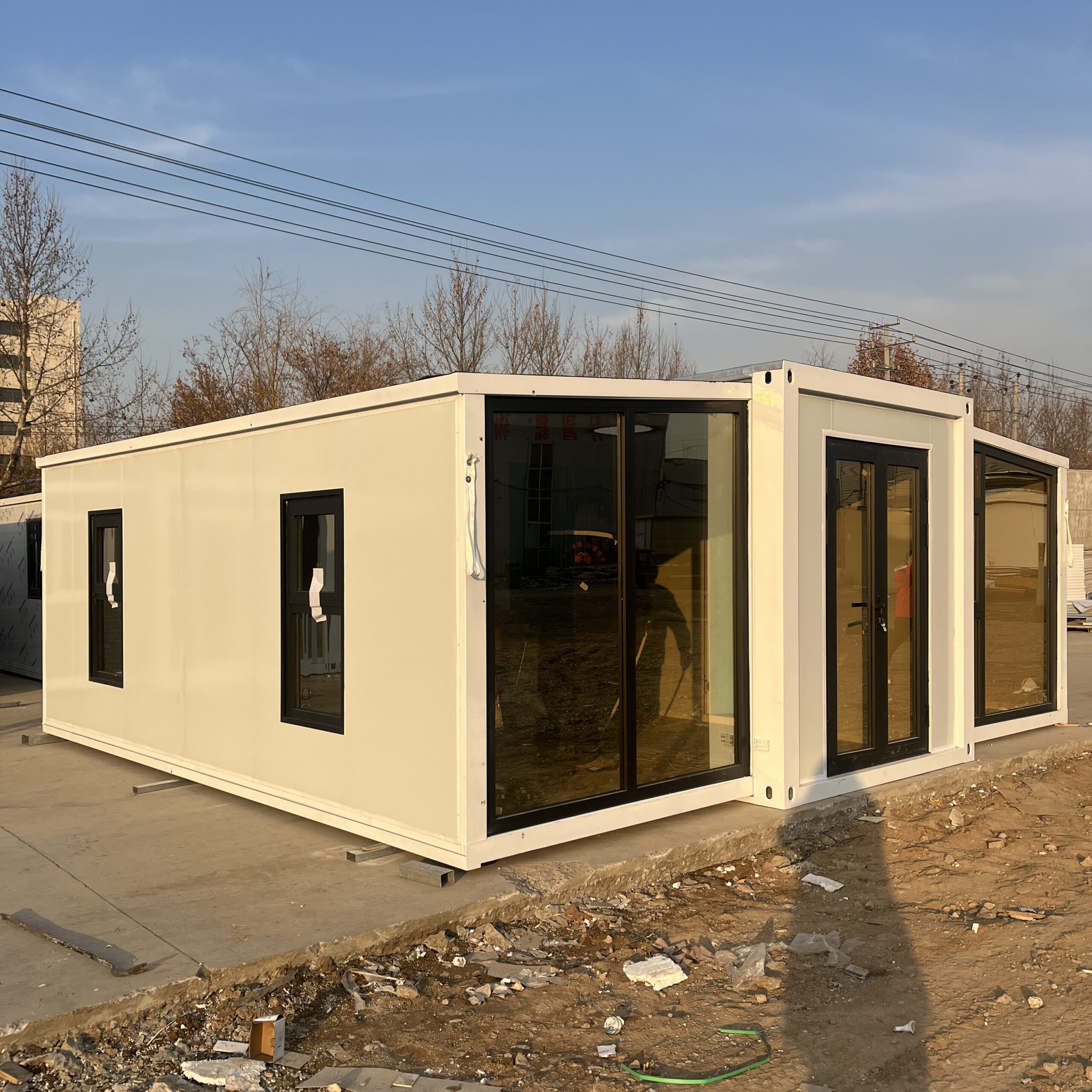
The 20ft double-wing expansion container represents a quantum leap in modular building technology. Its ingenious “wing” design allows the structure to maintain standard shipping container dimensions during transport (2200x5900x2480mm), yet expand to nearly double its width (6340x5900x2480mm) when deployed. This transformation isn’t just impressive to witness – it’s practical magic for anyone needing rapid, flexible space solutions. Whether you’re a developer in Sydney’s competitive real estate market, a resort operator in Queensland, or a researcher in Western Australia’s remote regions, this innovation delivers unprecedented versatility.
Engineering Marvel: The Core Features
At first glance, the double-wing expansion container appears as a standard 20ft unit. But its true genius reveals itself when the hydraulic or manual mechanisms activate, causing the side “wings” to unfold smoothly, creating a dramatically expanded footprint. This metamorphosis increases usable floor area by 70-80%, effectively transforming a single container into a spacious one-bedroom unit or compact office suite in minutes.
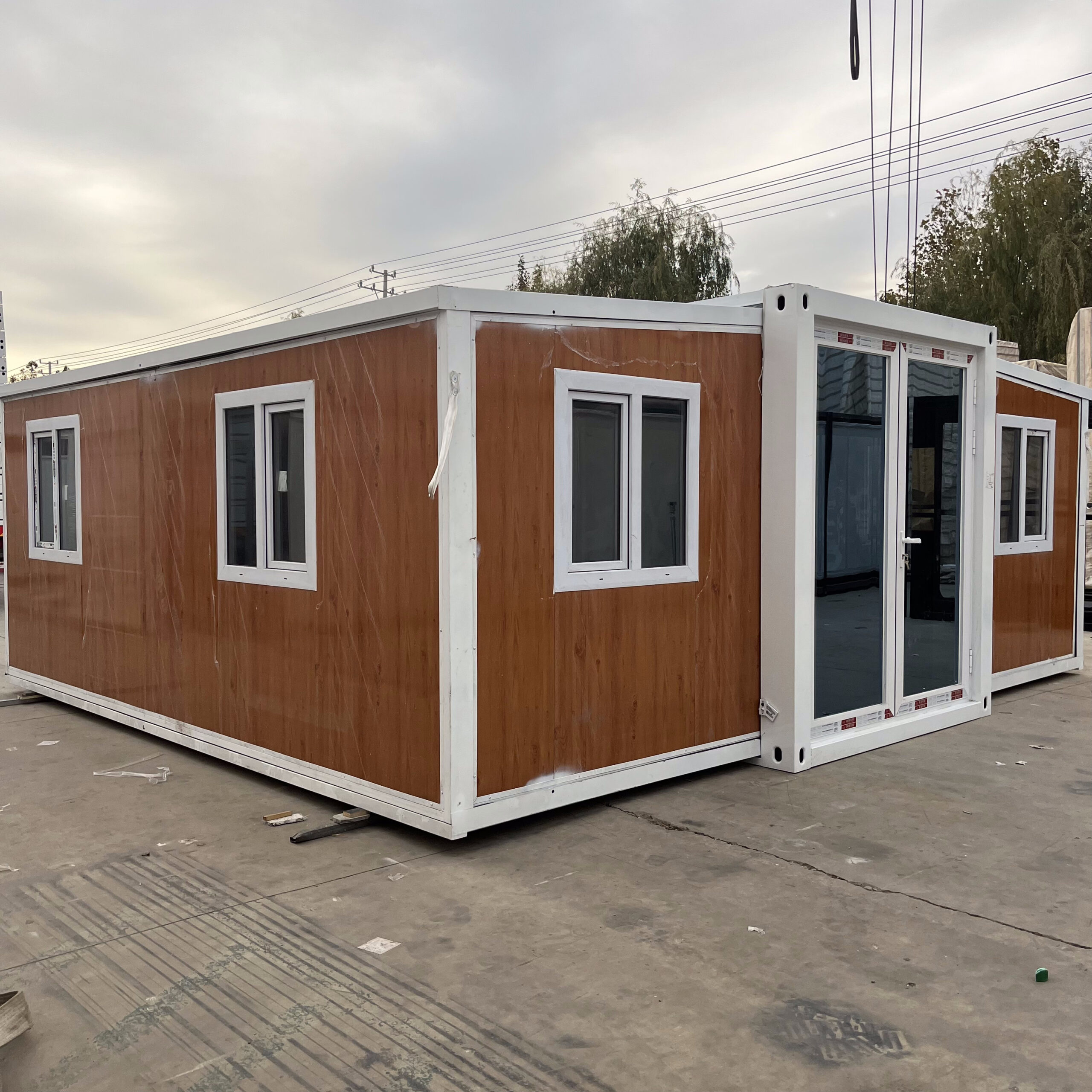
The structural backbone features hot-dip galvanized steel framing, providing exceptional strength while resisting corrosion – crucial for Australia’s varied climates from coastal humidity to desert dryness. This robust skeleton supports high-performance insulation panels (polyurethane or rock wool) that maintain comfortable interior temperatures year-round, significantly reducing energy consumption compared to traditional structures. The entire system undergoes rigorous quality control during factory prefabrication, with over 85% of construction completed off-site including electrical wiring, plumbing, and interior finishes.
Waterproofing receives special attention through seamless joint technology and premium materials. Doors and windows utilize thermally broken aluminum frames with Low-E double glazing, ensuring weather-tight seals while maximizing natural light and thermal efficiency. This attention to detail explains why these structures perform exceptionally well in Australia’s diverse weather conditions – from tropical downpours in Darwin to frosty mornings in the Blue Mountains.
Unmatched Advantages: Why Australia is Adopting This Technology
The rapid deployment capability stands as perhaps the most compelling advantage. With 95% of construction completed in a controlled factory environment, on-site installation takes mere hours for a single unit. This dramatically reduces project timelines compared to traditional construction methods. Imagine needing additional office space in Sydney’s CBD – instead of waiting months for conventional construction, you could have a fully operational workspace deployed between Monday morning and Friday afternoon.
Your browser does not support the video tag.
Mobility represents another game-changing feature. These structures can be easily relocated using standard container handling equipment, making them ideal for temporary projects, seasonal operations, or evolving business needs. This portability eliminates the permanent commitment of traditional construction while providing all the functionality of a permanent building. A mining company in Western Australia, for instance, can relocate worker accommodations between sites as operations shift, maximizing asset utilization.
The environmental credentials align perfectly with Australia’s growing sustainability focus. The steel framework boasts 90% recyclability, while energy-efficient design reduces operational carbon footprint. Many units incorporate solar panel readiness, rainwater harvesting systems, and greywater recycling options – features increasingly valued in eco-conscious markets like Melbourne and Adelaide. The prefabrication process itself generates less waste than traditional construction, contributing to LEED and Green Star certification potential.
Cost efficiency extends beyond initial investment. With construction timelines reduced by 60-70% and minimal site preparation required (often just simple foundation pads), overall project costs typically run 30-40% lower than conventional buildings. Maintenance expenses remain low due to durable materials and modular components that can be individually replaced if damaged. For budget-conscious projects across Australia – from community centers in Tasmania to tourist facilities in the Whitsundays – this economic advantage proves decisive.
Interior Excellence: Where Innovation Meets Comfort
Stepping inside reveals interiors that defy preconceptions about container buildings. The absence of internal columns creates open, adaptable spaces where designers can implement various layouts – from studio apartments to office suites. High ceilings (2.48m) enhance spaciousness, while large windows flood interiors with natural light, creating welcoming environments.
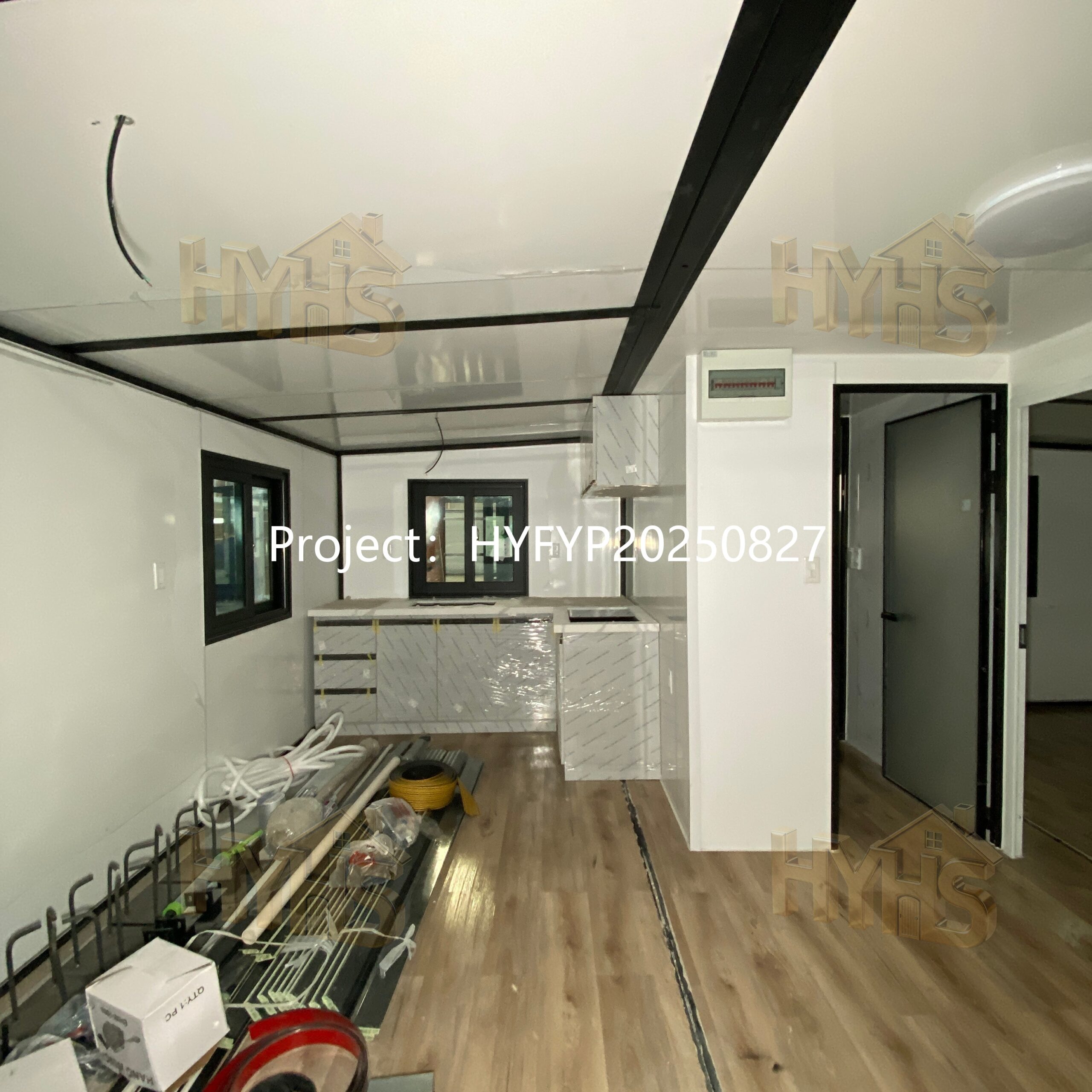
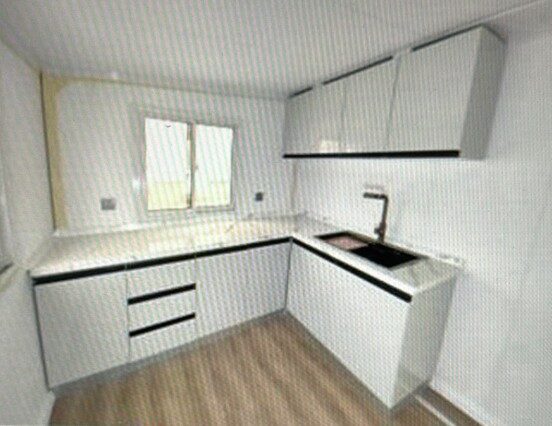
Kitchens exemplify the marriage of efficiency and style. Featuring modern cabinetry, durable countertops, and integrated appliances, these spaces function beautifully whether for short-term stays or long-term living. The modular design allows customization based on intended use – from basic kitchenettes in worker accommodations to gourmet setups in luxury retreats.
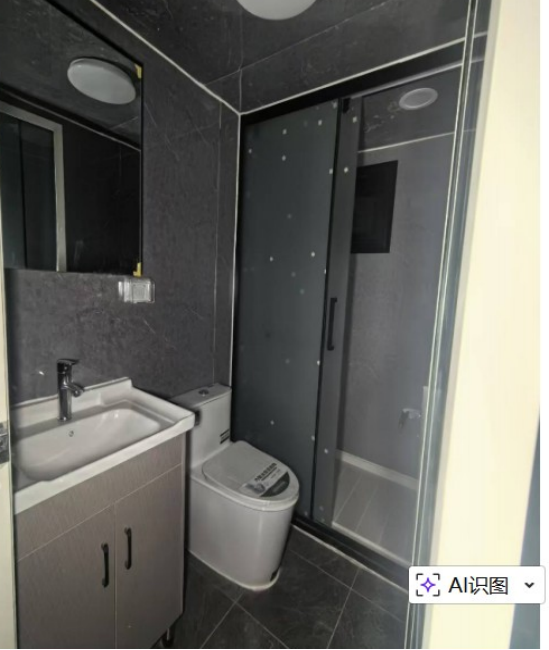
Bathrooms similarly surprise with their quality and space optimization. Wall-hung fixtures maximize floor area, while wet-room designs simplify maintenance. Premium finishes and quality fixtures create environments that rival traditional construction, proving that compact doesn’t mean compromised.
Smart home integration comes standard in many configurations, featuring app-controlled lighting, climate systems, and security. This technological edge appeals particularly to Australia’s tech-savvy markets in Sydney, Melbourne, and Brisbane, where modern convenience expectations run high. The combination of physical innovation and digital integration creates truly future-ready spaces.
Design Versatility: Tailoring Solutions Across Australia
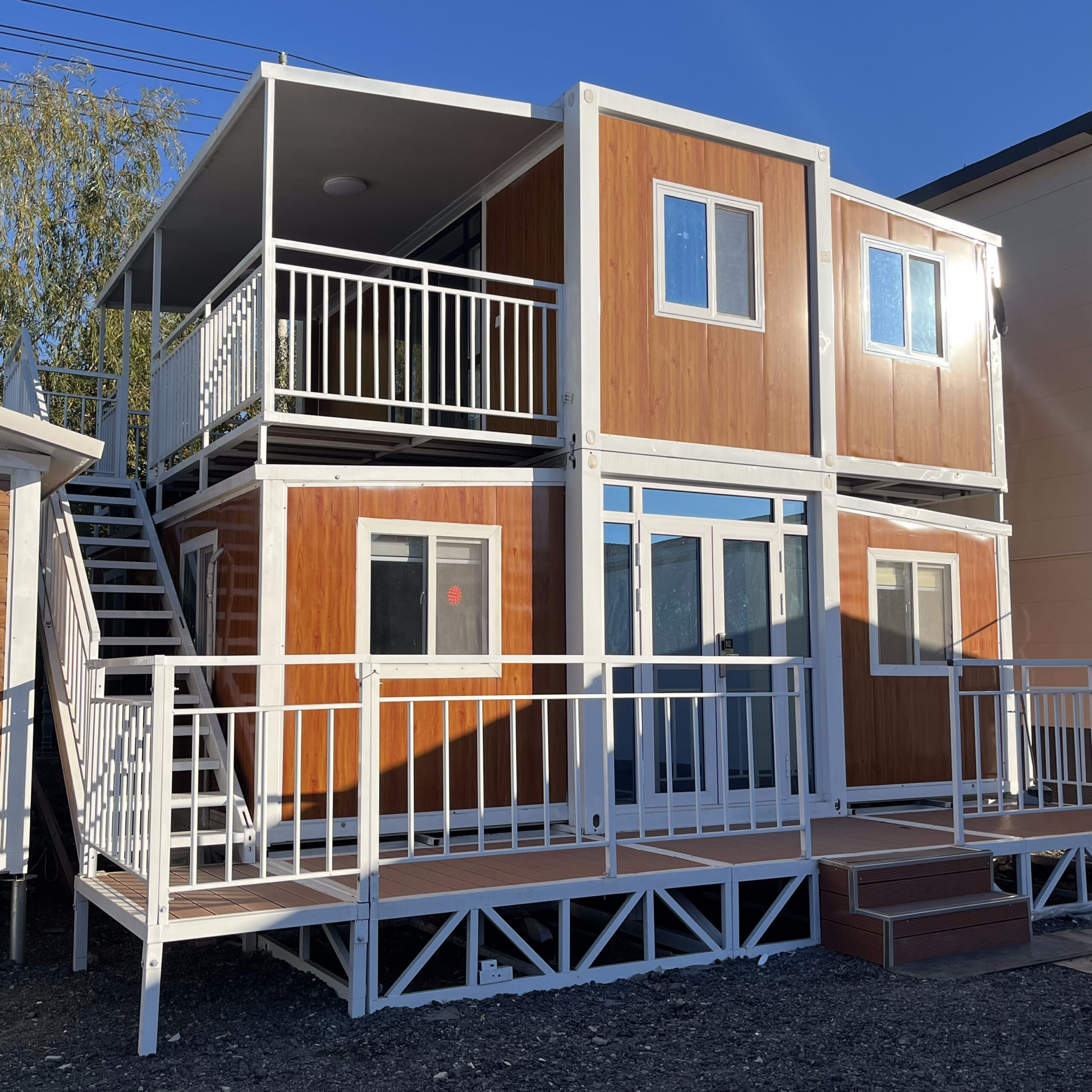
The customization potential of these containers makes them uniquely adaptable to diverse Australian contexts. Exterior finishes can mimic traditional materials like wood grain or stone, allowing structures to blend harmoniously with sensitive environments such as the Daintree Rainforest or Kangaroo Island. Alternatively, sleek modern designs with glass curtain walls make striking statements in urban settings like Perth or Canberra.
Interior configurations adapt to specific needs with remarkable flexibility. Common layouts include:
- Residential: One-bedroom apartments perfect for remote worker housing, granny flats, or holiday rentals in popular destinations like the Gold Coast or Margaret River.
- Office: Open-plan workspaces ideal for project sites, temporary offices during renovations, or startup incubators in innovation hubs like Sydney’s Barangaroo.
- Retail: Pop-up stores, cafes, or showrooms that can appear quickly in high-traffic areas without long-term lease commitments.
- Specialized: Medical clinics, classrooms, or research stations requiring rapid deployment in remote or disaster-affected areas.
Multiple units can be connected to create larger complexes, perfect for resorts, worker villages, or temporary campuses. This scalability allows projects to start small and expand as needed – a valuable advantage in Australia’s dynamic markets where flexibility often determines success.
Real-World Applications Across Australian Sectors
In Australia’s tourism sector, these containers create unique accommodation experiences. Imagine luxury eco-lodges nestled in the Blue Mountains or beachfront pods along the Great Ocean Road – offering comfort with minimal environmental impact. Their quick deployment allows operators to capitalize on seasonal demand surges without permanent construction commitments.
The construction industry benefits tremendously from site offices and worker accommodations that can move between projects. A major infrastructure project in Sydney might utilize these units for management offices, then relocate them to the next job site in Melbourne – maximizing investment while providing consistent quality across locations.
Rural and remote applications showcase the technology’s problem-solving capabilities. In Australia’s vast Outback regions, traditional construction faces logistical nightmares and extreme costs. These containers, transported efficiently and deployed rapidly, provide comfortable living quarters for researchers, mining operations, or agricultural workers in areas where conventional building would be impractical.
Emergency response represents another critical application. When bushfires or floods devastate communities (as seen too often in Australia), these units can be rapidly deployed as temporary housing, medical clinics, or command centers. Their durability and quick setup make them invaluable assets in disaster recovery efforts.
Customization Showcase: Unique Solutions for Unique Needs
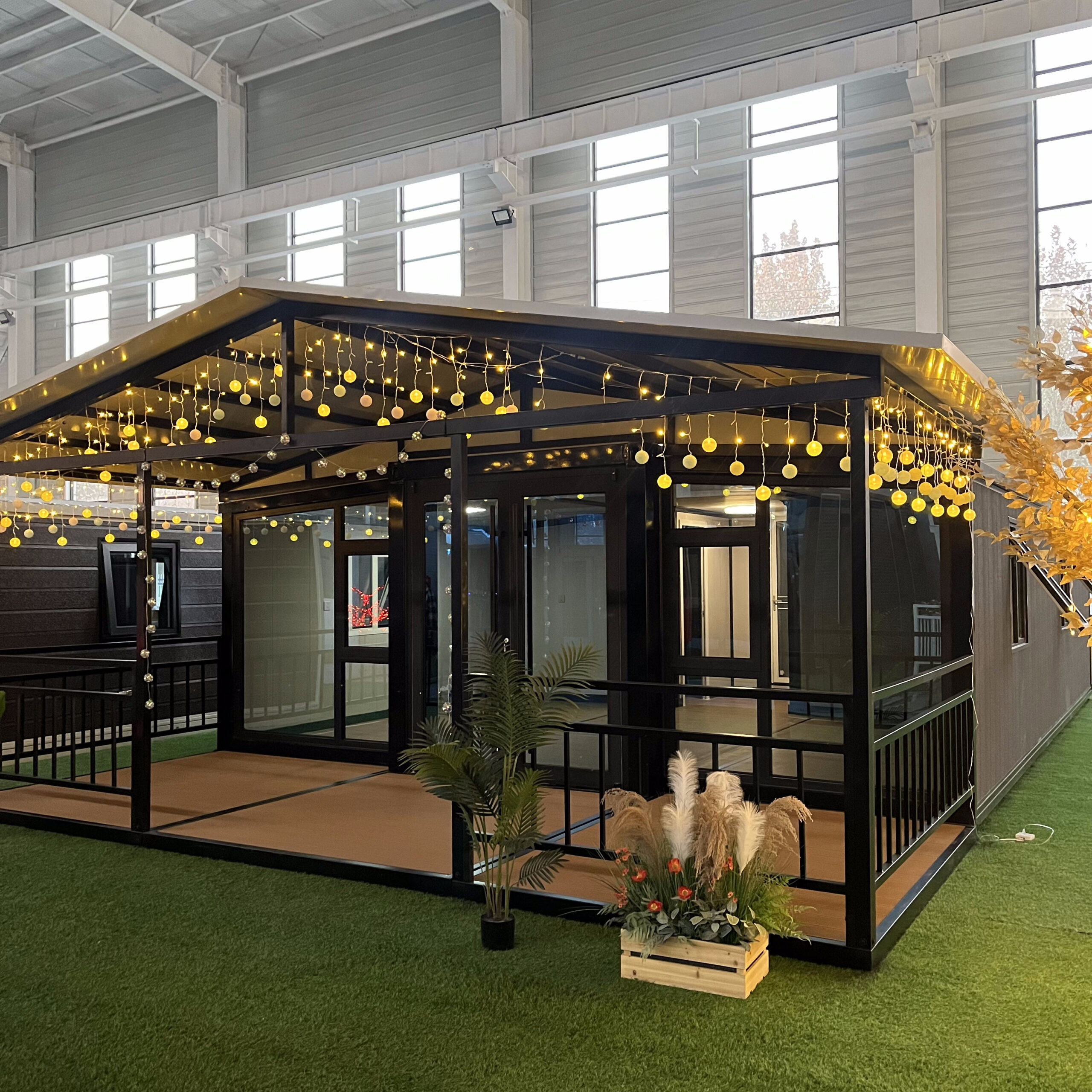
The true versatility emerges when examining customized solutions. For a luxury retreat in Queensland’s Whitsunday Islands, designers created units with floor-to-ceiling glass walls framing ocean views, premium finishes, and expansive decks – proving that container living can be synonymous with luxury.
Urban applications demonstrate adaptability to constrained spaces. In Sydney’s tight metropolitan areas, a pop-up retail chain utilized these units as temporary stores during construction periods, then relocated them once permanent premises were ready – maintaining business continuity without compromise.
Specialized functional units include mobile laboratories for environmental research in the Kimberley region, complete with climate control, specialized equipment mounting, and safety features. Another example is the pop-up medical clinics serving remote indigenous communities, featuring examination rooms, sterilization areas, and waiting spaces within the compact yet efficient footprint.
Practical Considerations for Australian Implementation
While the advantages are compelling, successful implementation requires attention to several key factors. Price variations exist based on materials, finishes, and customization levels – basic units start competitively, while premium configurations with luxury finishes command higher prices. Prospective buyers should establish clear requirements and budget parameters early in the process.
Transport logistics need careful planning, especially for remote Australian locations. While standard container transport handles most deliveries, oversized loads may require special permits for road travel. Engaging experienced logistics providers familiar with Australia’s vast distances and varying infrastructure conditions proves essential.
Local regulations vary significantly across Australian states and territories. New South Wales, Victoria, and Queensland each have specific requirements for temporary structures, building codes, and land use. Consulting with local authorities and experienced modular building contractors ensures compliance and avoids costly delays.
For long-term installations, foundation choices impact performance and longevity. While minimal compared to traditional construction, appropriate foundations – whether concrete pads, screw piles, or adjustable bases – ensure structural integrity and comfort. Site-specific factors like soil type, slope, and flood risk influence foundation design.
Maintenance planning preserves value over the structure’s 20-30 year lifespan. Regular inspections of seals, moving parts, and exterior finishes prevent minor issues from becoming major problems. The modular design allows individual component replacement, making repairs simpler and more cost-effective than traditional construction.
The Future of Modular Building in Australia
As Australia continues to grapple with housing affordability, construction efficiency, and environmental sustainability, the 20ft double-wing expansion container emerges as more than just a temporary solution – it represents a new paradigm in building technology. Its ability to combine rapid deployment, design flexibility, and environmental responsibility positions it perfectly for Australia’s evolving built environment.
From Sydney’s urban renewal projects to remote Outback communities, these structures demonstrate that innovation in construction can simultaneously address multiple challenges: speed, cost, sustainability, and adaptability. As more Australians experience their quality and versatility firsthand, these containers are transitioning from novelty to mainstream solution.
The technology continues to evolve, with ongoing improvements in materials, automation, and integration capabilities. Future iterations will likely feature enhanced smart home systems, renewable energy integration, and even greater architectural possibilities. For forward-thinking developers, businesses, and individuals across Australia, the 20ft double-wing expansion container offers not just space, but possibility – proving that the future of building is flexible, efficient, and remarkably adaptable to the diverse needs of the world’s sixth-largest country.

本文由人工智能技术生成,基于公开技术资料和厂商官方信息整合撰写,以确保信息的时效性与客观性。我们建议您将所有信息作为决策参考,并最终以各云厂商官方页面的最新公告为准。