
Folding modular homes represent a revolutionary approach to modern housing, combining portability, rapid assembly, and sustainable design. These innovative structures unfold like origami to create fully functional living spaces in hours, not months. Ideal for remote locations, emergency housing, or eco-conscious homeowners, they offer cost-effective, customizable solutions without compromising quality. Discover how folding modular homes are reshaping the future of construction with their blend of efficiency and adaptability.
Imagine a home that arrives flat-packed, unfolds like a high-tech tent, and becomes a sturdy, comfortable living space in under a day. That’s the magic of folding modular homes – a game-changing innovation that’s turning traditional construction on its head. As housing demands evolve and sustainability takes center stage, these compact, transportable structures are emerging as a brilliant solution for everything from remote cabins to urban infill projects. Let’s dive into why folding modular homes are capturing attention and how they might just be the answer to modern housing challenges.
What Makes Folding Modular Homes So Special?
At their core, folding modular homes are prefabricated structures designed to collapse for transport and expand on-site. Unlike conventional modular homes that require heavy cranes and complex assembly, these units use clever engineering to “unfold” with minimal equipment. Think of them as architectural origami: walls, floors, and roofs are hinged and folded during shipping, then locked into position upon arrival. This design slashes transportation costs by up to 70% compared to bulky traditional modules, while reducing the carbon footprint of logistics.
The benefits don’t stop there. Folding modular homes are incredibly versatile. They can serve as primary residences, vacation retreats, guest houses, or even pop-up offices. Their modular nature means you can start small and add units later as your needs grow – perfect for young families or remote workers. Plus, with construction happening in a controlled factory environment, quality is consistently high, and weather delays become a non-issue. It’s no wonder the global market for these homes is projected to grow by 8% annually through 2030.
Installation: Simplicity Meets Speed
One of the most jaw-dropping aspects of folding modular homes is how quickly they go from delivery to move-in ready. Traditional builds take months; these homes take hours. Don’t just take my word for it – check out this video showing the entire process:
Your browser does not support the video tag.
As you can see, a small team can unfold and secure the structure in just a few hours using basic tools. No cranes, no concrete foundations (in many cases), and no weeks of noisy construction. This speed is invaluable for emergency housing after natural disasters or for businesses needing rapid infrastructure deployment. The video highlights how the home’s integrated systems – plumbing, electrical, and insulation – are pre-installed, meaning it’s truly “plug-and-play” once unfolded.
Engineering Marvel: The Structure Behind the Fold
How do these homes stay sturdy when they’re designed to fold? The secret lies in innovative structural engineering. Most folding modular homes use a combination of lightweight steel frames, reinforced panels, and precision hinges that create rigidity when expanded. The “double-wing” design is particularly popular, as shown in this structural diagram:
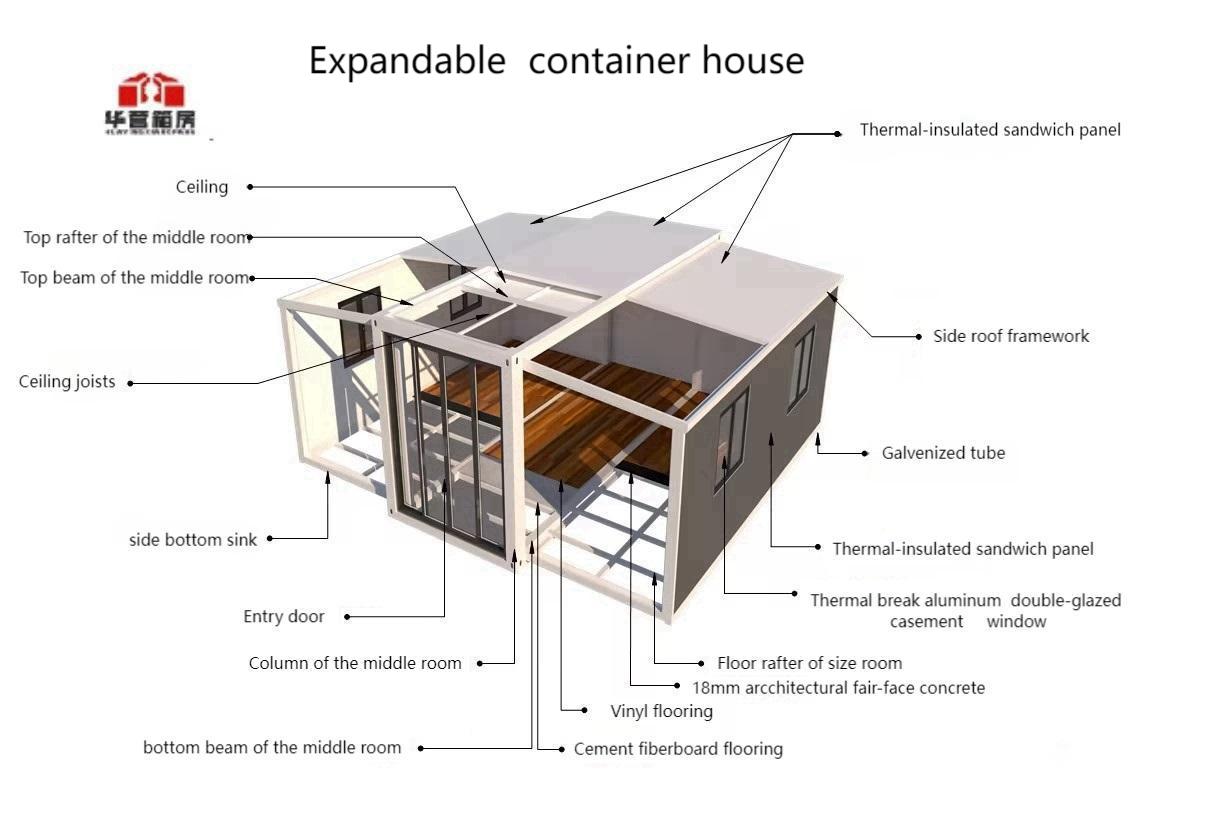
This image illustrates how the home’s walls and roof fold compactly during transport, then extend outward to create a spacious interior. The interlocking panels and tension systems ensure the structure remains stable in winds up to 120 mph and meets international building codes. Materials like cross-laminated timber (CLT) or recycled steel composites are often used, making these homes not just strong but also eco-friendly. Many models even incorporate solar panels and rainwater harvesting systems right into the folding design.
Real-World Applications: Where Folding Homes Shine
The versatility of folding modular homes makes them suitable for countless scenarios. In rural or hard-to-reach areas, they provide housing without the need for heavy machinery or extensive site preparation. For eco-resorts, they offer low-impact luxury accommodations that can be relocated seasonally. Urban developers love them for adding housing units to tight lots where traditional construction would be impossible.
Perhaps most compelling is their role in disaster relief. When hurricanes or earthquakes strike, folding modular homes can be airlifted or trucked in and set up within hours, giving displaced families safe, dignified shelter. Organizations like the Red Cross have already piloted these homes in crisis zones, noting their durability and speed of deployment. On a personal level, they’re perfect for anyone seeking a minimalist, mortgage-free lifestyle or a backyard ADU (accessory dwelling unit) for aging parents or adult children.
Are Folding Modular Homes Right for You?
While folding modular homes offer incredible advantages, they’re not without considerations. Zoning laws vary by location, so it’s crucial to check local regulations before purchasing. Customization options, while growing, may be more limited than with traditional builds. And while they’re durable, extreme climates might require additional insulation or reinforcement.
That said, for those prioritizing sustainability, efficiency, and flexibility, folding modular homes are hard to beat. They typically cost 20-30% less than site-built homes, with some models starting under $50,000. Maintenance is minimal due to their modern materials and factory-built precision. And let’s not forget the sheer cool factor – living in a home that unfolds feels like something straight out of a sci-fi movie!
As we face housing shortages, climate challenges, and shifting lifestyle needs, folding modular homes stand out as a smart, adaptable solution. They prove that innovation in construction isn’t just possible – it’s already here, folding out one home at a time. Whether you’re a homeowner, developer, or humanitarian worker, it’s worth keeping an eye on this unfolding revolution in housing.